
TL;DR:
- Saudi Arabia welcomed over 100 million visitors in 2024, showcasing a booming tourism sector.
- The country has eased travel restrictions, making visa processes faster and more accessible.
- Key destinations include holy cities for pilgrims and cultural sites like AlUla and the Red Sea coast.
Saudi Arabia welcomed over 100 million visitors in 2024, shattering expectations for a destination once seen as closed to outsiders. The Kingdom is now open to tourists, adventure seekers, and pilgrims from across the globe. Recent reforms have reshaped everything from visa processing to women's travel rights, making entry faster and the experience smoother than ever before. Whether the goal is spiritual renewal at the Masjid al-Haram or exploring Nabataean ruins at AlUla, Saudi Arabia offers something few countries can match. This guide covers the spiritual, cultural, practical, and safety essentials every visitor needs before traveling.
Table of Contents
- Unmatched spiritual significance: Hajj, Umrah, and faith journeys
- Cultural destinations and adventure experiences
- Travel logistics: Visas, getting around, and essential requirements
- Safety, etiquette, and practical advice for visitors
- A new era for Saudi travel: What most guides miss
- Plan your seamless Saudi journey with expert help
- Frequently asked questions
Key Takeaways
| Point | Details |
|---|---|
| Spiritual fulfillment | Saudi Arabia offers transformative faith experiences unlike anywhere else. |
| Rich cultural diversity | The Kingdom blends ancient history with vibrant arts, events, and adventure. |
| Streamlined travel process | Modern visas and robust infrastructure make visits smooth for pilgrims and tourists. |
| Safety and respect | Visitors enjoy low crime, trusted systems, and must follow local rules for a positive trip. |
| Tailored travel services | Expert transport and careful planning ensure a seamless Saudi experience. |
Unmatched spiritual significance: Hajj, Umrah, and faith journeys
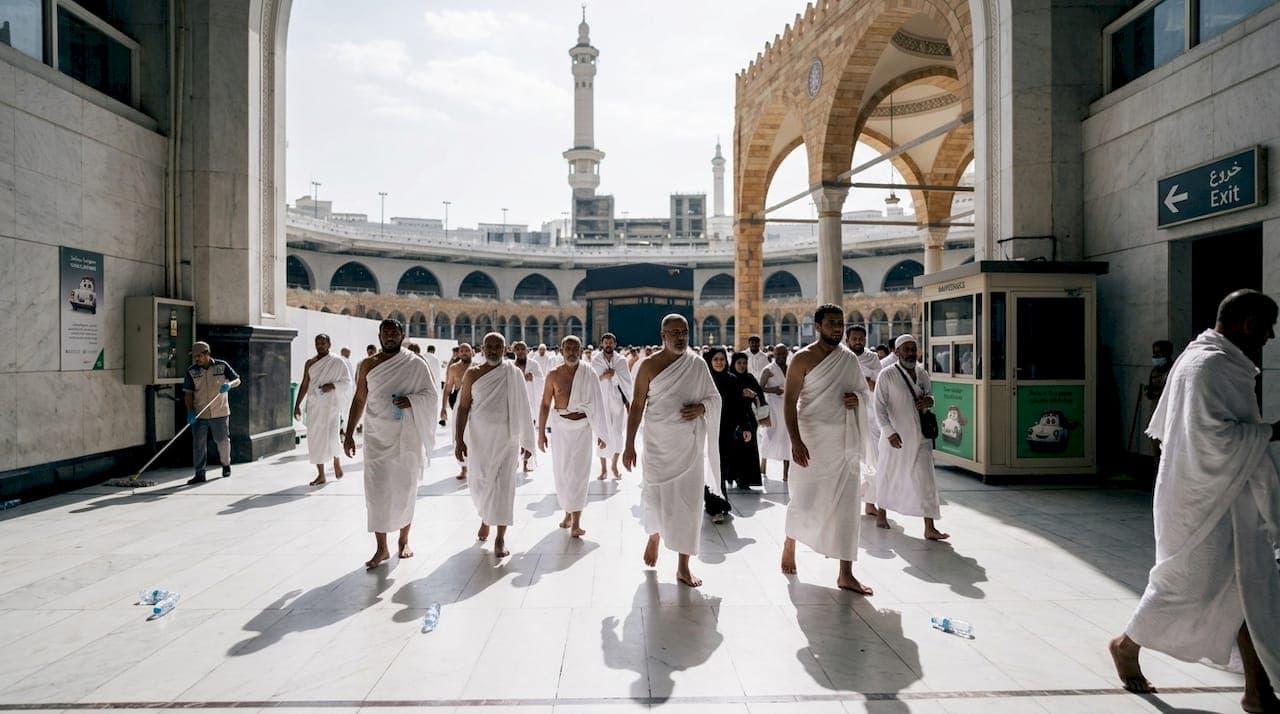
For Muslims worldwide, no destination carries the weight of Makkah and Madinah. These two cities sit at the center of Islamic faith, housing the Masjid al-Haram and the Prophet's Mosque, respectively. Millions arrive each year not as tourists but as pilgrims seeking connection, forgiveness, and spiritual renewal.
Hajj is one of the five pillars of Islam and represents one of the most powerful collective acts of worship on earth. Every year, millions of Muslims from over 180 countries converge in Makkah during the Islamic month of Dhul Hijjah. The rituals span five days and include standing at the plain of Arafat, circling the Kaaba, and symbolic stoning of the devil at Mina. The experience of performing Hajj alongside millions of fellow believers, all dressed in simple white cloth, strips away markers of wealth and nationality.
Umrah is a shorter pilgrimage with no fixed dates. It can be performed at any time of the year and is open to Muslims of all backgrounds. According to benefits of Hajj and Umrah, Hajj is obligatory once in a lifetime for able Muslims, while Umrah is recommended anytime and offers spiritual purification, unity among Muslims, forgiveness of sins, and the promise of Paradise for an accepted Hajj.
The key spiritual components of a pilgrimage visit include:
- Tawaf: Circling the Kaaba seven times in Makkah
- Sa'i: Walking seven times between the hills of Safa and Marwa
- Standing at Arafat (Hajj only): A peak moment of supplication and reflection
- Ziyarat in Madinah: Visiting the Prophet's Mosque and surrounding historic sites
- Dua and personal worship: Uninterrupted time for prayer and reflection
"The Hajj is unlike any gathering on earth. It is the single largest annual peaceful assembly of people, representing the full spectrum of humanity united by one purpose."
A major shift in recent years: women can now perform Umrah and Hajj in groups without a male guardian (mahram), provided they travel with an organized group. This has opened pilgrim travel to millions of women who previously faced barriers. Our guide for first time visitors covers what to expect step by step.
Pro Tip: Book Umrah during off-peak months like Muharram or Safar to avoid the largest crowds and secure better hotel rates near the Haram.
Cultural destinations and adventure experiences
While faith journeys are foundational, Saudi Arabia has much more to offer every visitor. Vision 2030, the Kingdom's sweeping national reform program, has transformed tourism from an afterthought to a national priority. The results are visible and growing fast.
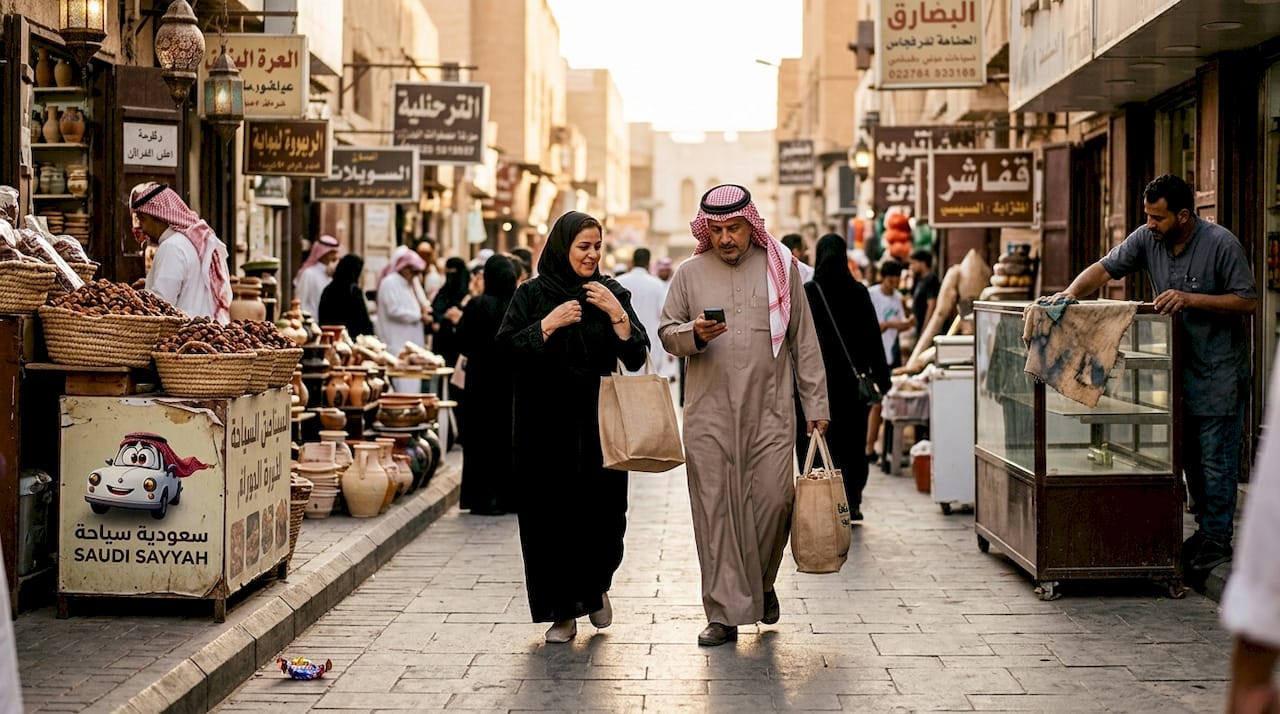
AlUla stands out as one of the most extraordinary archaeological destinations in the world. The site contains Hegra, Saudi Arabia's first UNESCO World Heritage Site, featuring well-preserved Nabataean tombs carved directly into sandstone mountains. It draws direct comparisons to Petra in Jordan, yet sees a fraction of the crowds. Saudi Arabia's tourism revival highlights a growing portfolio of attractions: AlUla's Nabataean tombs, Riyadh and Jeddah cultural districts, international art festivals, Red Sea diving, Asir Mountains hiking, Formula 1 racing, and live music events.
Key destinations beyond the holy cities:
- AlUla: Ancient tombs, dramatic desert landscapes, the Winter at Tantora festival
- Red Sea coast: World-class diving, coral reefs, new resort developments
- Asir Mountains: Cool climate, terraced villages, hiking trails
- Riyadh: King Abdulaziz Historical Center, modern art galleries, dining scene
- Jeddah: UNESCO-listed Al-Balad district, seafront Corniche, vibrant food culture
| Traveler type | Best destination | Best season |
|---|---|---|
| Religious pilgrim | Makkah, Madinah | Ramadan, Dhul Hijjah |
| History and culture | AlUla, Jeddah | November to February |
| Adventure seeker | Red Sea, Asir | October to March |
| Urban explorer | Riyadh | Year-round |
For those traveling with others, our group travel tips cover logistics, transport, and planning essentials.
Pro Tip: Winter months (November through February) offer the most comfortable temperatures for outdoor sightseeing, with highs around 20 to 25°C in most regions.
Travel logistics: Visas, getting around, and essential requirements
To make the most of Saudi Arabia's attractions, spiritual or cultural, understanding essential entry requirements and how to get around efficiently is critical. Getting this right before departure saves significant time and stress.
The Saudi visa requirements process has been modernized significantly. Citizens of 66 or more countries can now apply for a tourist eVisa online. The eVisa allows one year of multiple entry with up to 90 days per stay and costs SAR 535. Importantly, a tourist eVisa allows Umrah but not Hajj. For Hajj, a specific Hajj visa is required and must be arranged through the official Nusuk platform via authorized packages.
Key document and health requirements:
- Valid passport with at least 6 months validity beyond the travel date
- Completed eVisa application or Hajj/Umrah visa via Nusuk
- Meningitis vaccine (mandatory for pilgrims; strongly recommended for all)
- Proof of accommodation for entry processing
- Return or onward travel ticket
| Visa type | Who it's for | Allows Umrah | Allows Hajj |
|---|---|---|---|
| Tourist eVisa | 66+ nationalities | Yes | No |
| Umrah visa | Muslim pilgrims | Yes | No |
| Hajj visa | Approved Hajj pilgrims | Yes | Yes |
Getting between cities is straightforward. The Haramain High Speed Railway connects Makkah, Jeddah, and Madinah at speeds up to 300 km/h. Ride-hailing apps operate in major cities. For pilgrims needing tailored transport, accessible transport for Umrah and airport transfers in Saudi Arabia are well-documented options.
Pro Tip: Complete the eVisa application at least 2 weeks before departure. Use the official Absher or Nusuk apps to manage permits, track approvals, and stay updated on any entry requirements.
Safety, etiquette, and practical advice for visitors
After covering logistics, being aware of local customs, safety, and health ensures a positive experience. Saudi Arabia is generally a safe country, but specific risks and rules require preparation.
On the safety side, violent crime is low. The primary risks for travelers are different in nature. Road accident rates stand at 18 deaths per 100,000 people, which is above the global average. Extreme heat is a serious concern: during the 2024 Hajj season, over 1,300 deaths were linked to heat exposure. Regional political tensions exist, and the Yemen border area is not safe for travel.
Key safety and etiquette points:
- Dress code: Modest clothing is required for all visitors. Women must cover shoulders and knees; an abaya is recommended in religious sites
- Alcohol: Completely prohibited throughout the Kingdom
- LGBTQ+ visibility: Public displays of same-sex relationships are illegal under Saudi law
- Prayer times: Shops and services may pause during the five daily prayers
- Photography: Avoid photographing government buildings, military sites, or people without permission
Non-Muslims are strictly barred from central Makkah and the central areas of Madinah. Attempting to enter these zones can result in fines or deportation. Hajj also has quota systems, age requirements (12 and above), and health certificate requirements. A tourist visa cannot be used for Hajj; enforcement is active.
Healthcare quality in major urban areas is high. Bring adequate supplies of any prescription medication and carry documentation for them. Summer temperatures can exceed 50°C, making hydration, sun protection, and rest during midday essential. Our safety guide for Umrah and elderly pilgrim transport tips provide additional guidance for vulnerable travelers.
Pro Tip: Download a prayer time app before arrival. Knowing prayer schedules helps plan meals, shopping, and movement to avoid disruption during your day.
A new era for Saudi travel: What most guides miss
With the practical and cultural essentials covered, stepping back to look at how this country is changing reveals something important that most guides skip over.
Many first-time visitors arrive with outdated assumptions. They expect rigid processes, limited access, and a closed atmosphere. What they find instead is a functioning eVisa system, modern highways, high-speed rail, and a tourism sector actively investing in visitor experience. Returnees who visited a decade ago are often the most surprised.
The eVisa simplifies entry for citizens of over 66 countries, but pilgrims must still use the official Nusuk platform for Hajj packages and permits. This distinction matters. The tourism growth is real and driven by both domestic demand and international religious travel. It is resilient even when global travel faces disruption.
For women traveling without a male guardian, the shift is especially significant. Groups of women can now perform Umrah independently. Hotel access, transport, and public spaces are more accessible than at any previous point in history. What was once logistically complicated is now manageable with good planning.
Reliable transport is one area where preparation pays off. Our insight on reliable transport for Umrah addresses the practical gap between arrival and the sacred sites.
Plan your seamless Saudi journey with expert help
If a spiritual or cultural trip to Saudi Arabia is on the horizon, having reliable local support makes a measurable difference. Getting between airports, hotels, and holy sites on time and with confidence is not a small thing when you are far from home.
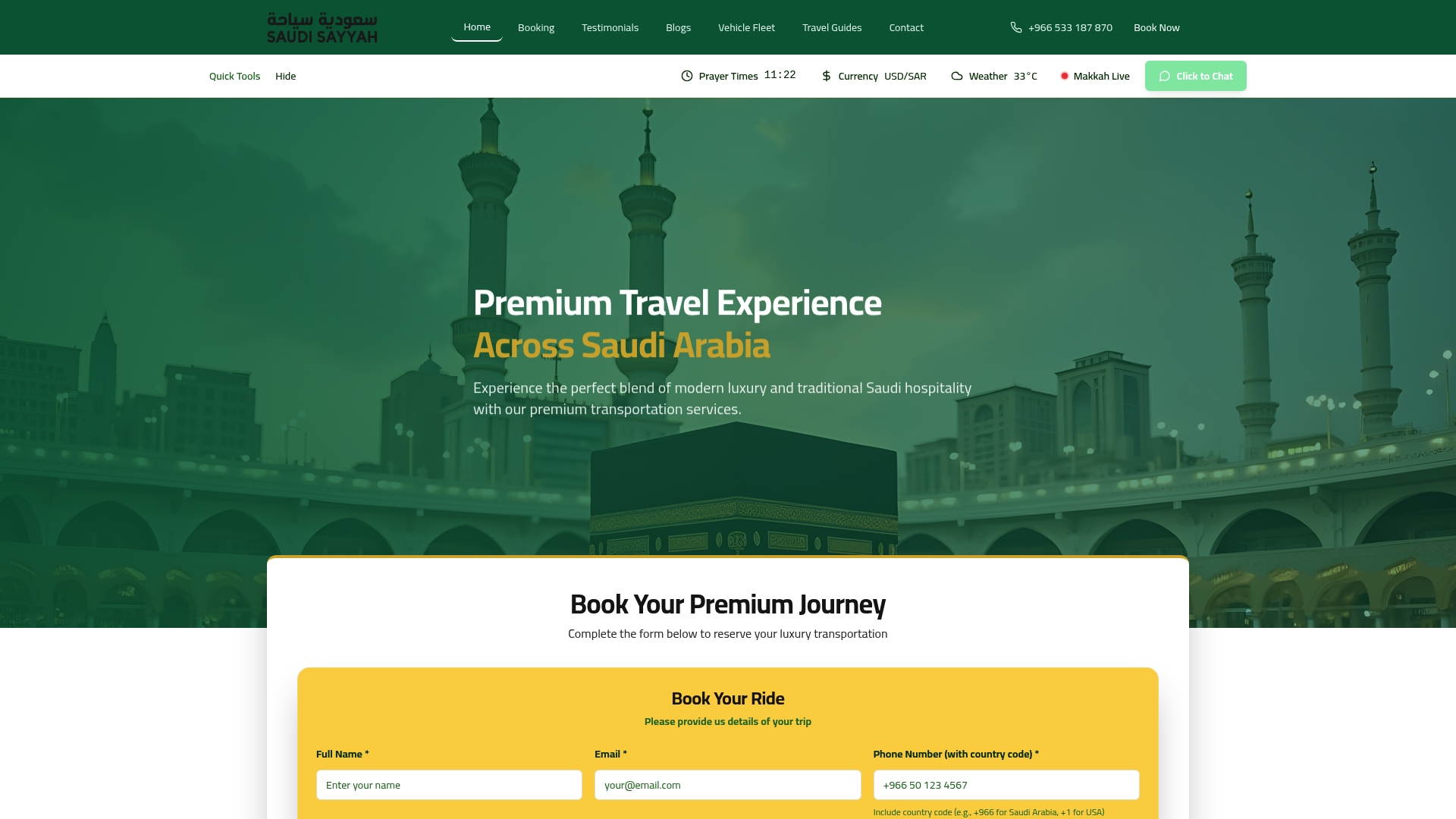
Saudi Sayyah provides car hire services in Saudi Arabia for individuals, families, and groups, with real-time tracking, driver details sent in advance, and a fully automated booking system. The fleet covers all needs, from private transfers to larger group vehicles. Explore transport options for Umrah and Hajj or stay connected to the holy sites with the live Makkah stream available on the platform.
Frequently asked questions
Can non-Muslims visit Makkah or Madinah?
Non-Muslims are barred from entering the central areas of both Makkah and Madinah; violations can result in fines or deportation.
Is a tourist visa enough for performing Umrah?
A tourist eVisa allows Umrah but not Hajj; Hajj requires a specific Hajj visa arranged through the official Nusuk platform.
What are the biggest safety risks for travelers in Saudi Arabia?
Road accidents and extreme heat are the primary risks; violent crime is rare, and urban healthcare quality is high.
How has Saudi Arabia made traveling easier for tourists?
The eVisa system now covers 66 or more nationalities, and modern rail and road infrastructure connects major cities efficiently.
Are there special travel requirements during the summer?
Yes; summer heat exceeds 50°C in many areas, so drink plenty of water, avoid midday outdoor activity, and use sun protection consistently.