
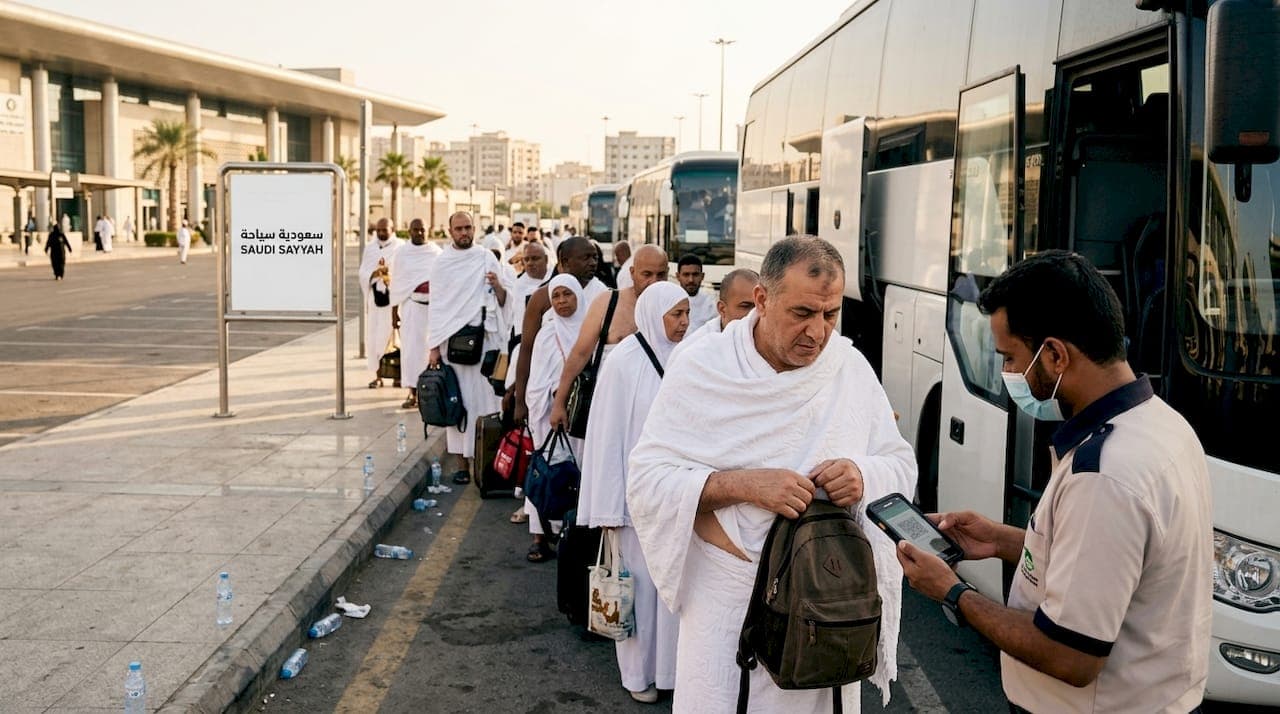
Reliable transportation during Umrah can mean the difference between a peaceful spiritual journey and a stressful ordeal filled with delays and health risks. With 11.7 million pilgrims recorded in a single month and rituals completed in an average of 116 minutes thanks to optimized logistics, the scale of movement demands transport systems that work flawlessly. This guide explores why transport reliability protects your health, how technology is revolutionizing pilgrim mobility, and what you need to know to choose the safest, most efficient options for your sacred journey.
Table of Contents
- Key takeaways
- Understanding the scale and logistics of Umrah transport
- Health and safety: How reliable transport protects pilgrims
- Technological innovations improving pilgrimage transport reliability
- Choosing the right transport: balancing cost, comfort, and safety
- Explore reliable transport options with Saudi Sayyah
- Frequently asked questions
Key Takeaways
| Point | Details |
|---|---|
| Pilgrim volume drives logistics | The large number of pilgrims requires precise planning and coordinated use of buses, taxis, and Haramain high speed rail to prevent bottlenecks and health risks. |
| Time reduction via optimization | Optimized logistics reduce ritual times to about 116 minutes, cutting exposure to heat and other health risks. |
| Balanced transport choices | Choosing the right mix of transport modes helps balance price, safety, and comfort for diverse pilgrim needs. |
| Technology boosts efficiency | Technology enhances reliability through real time updates, digital booking platforms, and better maintenance monitoring for safety and efficiency. |
Understanding the scale and logistics of Umrah transport
The sheer volume of pilgrims traveling to Makkah and Madinah creates unprecedented transport challenges. During Hajj 2025, 1.7 million pilgrims were served by 25,000 buses, 9,000 taxis, and 4,700 Haramain train trips providing 2 million seats. Umrah sees even more sustained pressure, with monthly pilgrim numbers reaching record highs throughout the year.
This massive infrastructure exists because moving millions of people safely between holy sites requires precision planning. Buses handle the bulk of group movements, taxis provide flexible point to point service, and the Haramain high speed rail connects Jeddah, Makkah, and Madinah with modern efficiency. Each mode serves specific needs, but all must coordinate seamlessly to prevent bottlenecks that could trap pilgrims in dangerous heat or create crowd crush risks.
The results of optimized logistics are measurable. Pilgrims now complete their rituals in an average of 116 minutes, a dramatic improvement from previous years when poor coordination caused hours of delays. This efficiency matters because every minute spent waiting in transport is time exposed to health risks and away from spiritual focus.
Transport capacity during peak pilgrimage periods:
| Transport Mode | Capacity Per Trip | Daily Trips | Total Daily Capacity |
|---|---|---|---|
| Buses | 50 passengers | 500 trips | 1,250,000 passengers |
| Private Taxis | 4 passengers | 150 trips | 540,000 passengers |
| Haramain Train | 417 passengers | 24 trips | 10,000 passengers |
| Shared Vans | 12 passengers | 200 trips | 288,000 passengers |
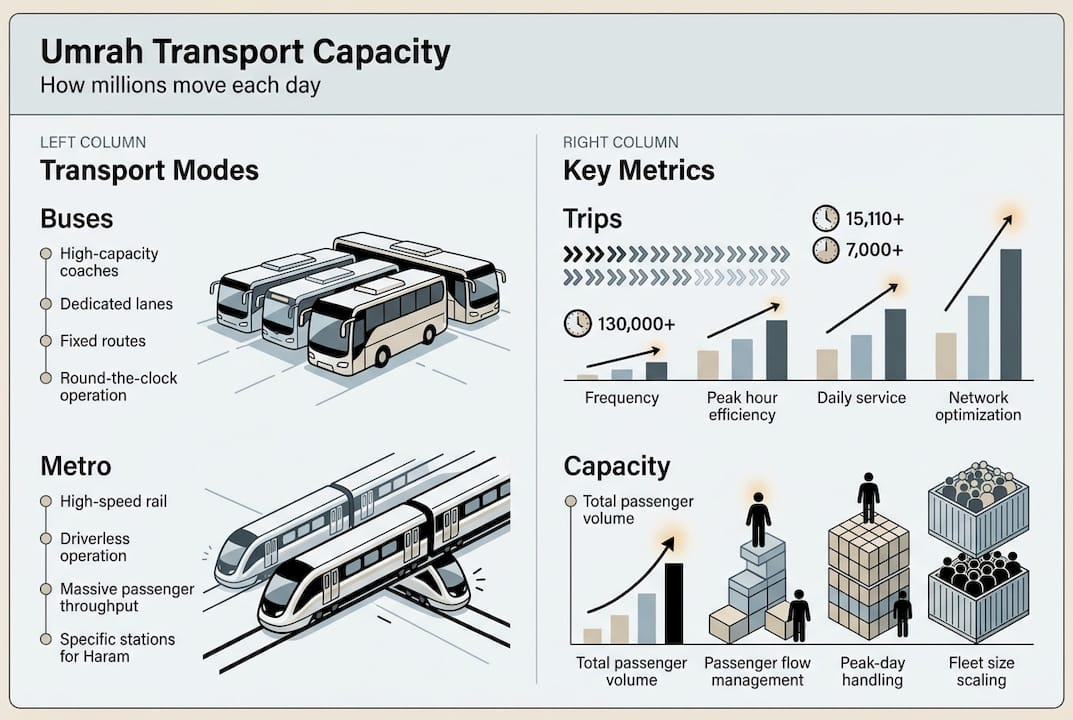
Understanding these numbers helps you appreciate why booking early matters. During peak seasons, demand exceeds even this massive capacity. Group travel tips for Saudi Arabia 2026 emphasize advance reservations as the single most effective way to secure reliable transport.
Key factors that determine transport reliability:
- Vehicle maintenance standards and age of fleet
- Driver training and familiarity with pilgrimage routes
- Real time communication systems for traffic updates
- Backup vehicle availability when breakdowns occur
- Integration with digital booking platforms for accountability
Pro Tip: Book your transport at least 30 days before arrival during Ramadan and peak Umrah months to guarantee availability and avoid price surges that can triple normal rates.
Health and safety: How reliable transport protects pilgrims
Poor transportation choices expose pilgrims to serious health dangers. Heat exhaustion strikes quickly when travelers wait in direct sun for delayed buses. Overcrowded vehicles increase fall risks and make emergency evacuations nearly impossible. Elderly pilgrims face particular vulnerability, as extended standing or uncomfortable seating can trigger cardiovascular events or diabetic complications.
Reliable transport systems actively protect your health through multiple mechanisms. Climate controlled vehicles prevent heat related illness. Scheduled departure times eliminate dangerous waits in exposed areas. Professional drivers trained in emergency response can identify medical distress and reach hospitals quickly. Medical convoys transferred 295 high risk patients during Hajj, demonstrating how transport directly enables life saving interventions.
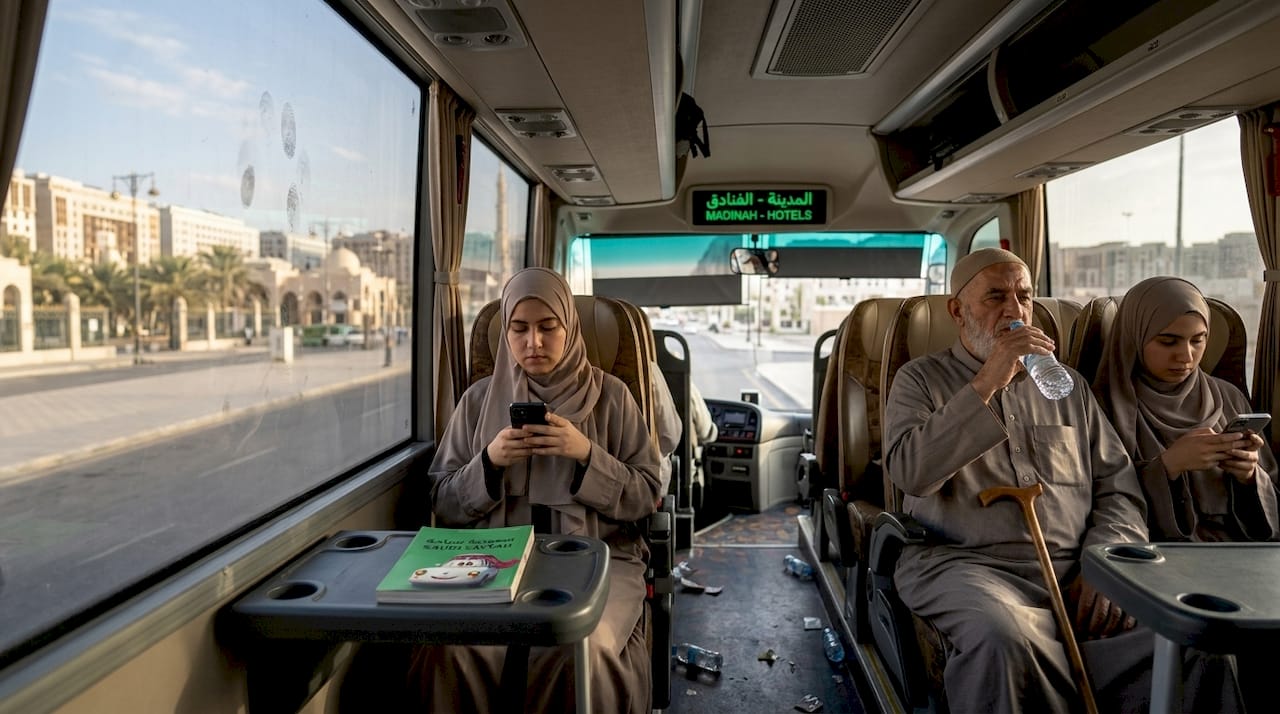
The connection between transport and health extends beyond emergencies. Comfortable seating reduces physical strain that accumulates over days of pilgrimage activities. Predictable schedules allow you to plan rest periods and medication timing. Clean vehicles minimize infection transmission in enclosed spaces where respiratory illnesses spread rapidly among international travelers.
Common transport related health risks and prevention strategies:
- Heat stroke from waiting in sun: Choose services with covered pickup areas and guaranteed departure times
- Dehydration during long trips: Select providers offering bottled water and rest stops
- Falls from overcrowding: Avoid budget buses during peak hours; pay extra for guaranteed seating
- Respiratory infections: Pick newer vehicles with air filtration and ventilation systems
- Medication timing disruptions: Book transport with known schedules so you can plan doses accurately
"During Hajj, medical convoys transferred 295 high risk patients, with poor transport infrastructure worsening health outcomes especially in extreme heat and crowd conditions. Reliable transport systems are not luxury but necessity for pilgrim safety."
For elderly pilgrims and those with chronic conditions, transport reliability becomes even more critical. Specialized transport for elderly pilgrims 2026 details modifications like wheelchair accessibility, slower boarding processes, and direct routes that minimize transfers. These features prevent the physical stress that turns manageable conditions into medical emergencies.
Technological innovations improving pilgrimage transport reliability
Artificial intelligence and Internet of Things sensors are transforming how Saudi Arabia manages pilgrim transportation. AI driven predictive models and blockchain systems now optimize shuttle bus routes in real time, automatically reroute vehicles around congestion, and approve transport permits instantly instead of through slow manual processes. These technologies eliminate the human error and delays that previously caused transport failures.
Predictive analytics represent the biggest breakthrough. Instead of reacting to problems after pilgrims are already stranded, systems now forecast bottlenecks hours in advance. Algorithms analyze historical patterns, current crowd densities, weather conditions, and special events to predict where transport capacity will fall short. Operators receive alerts to deploy additional vehicles before delays occur, keeping pilgrims moving smoothly.
Blockchain technology brings transparency and accountability to transport booking. Every reservation, vehicle assignment, and route completion gets recorded in tamper proof ledgers. This prevents common scams where drivers claim vehicles broke down or routes changed, then demand extra payment. You can verify your booking details instantly and prove your rights if disputes arise.
Technology comparison: Traditional versus AI driven transport management
| Feature | Traditional Methods | AI Driven Systems |
|---|---|---|
| Route Planning | Fixed schedules regardless of conditions | Dynamic routing based on real time data |
| Problem Detection | Reactive after delays occur | Predictive alerts before issues arise |
| Vehicle Allocation | Manual dispatcher decisions | Algorithm optimized for efficiency |
| Permit Processing | 2-3 day approval times | Instant blockchain verification |
| Passenger Communication | Phone calls or no updates | Automated SMS and app notifications |
Saudi Vision 2030 integrates AI and IoT throughout transport infrastructure, moving from reactive crisis management to proactive risk prevention. This shift means fewer surprises and more reliable service for pilgrims who depend on transport working exactly as promised.
Key technologies improving transport reliability:
- GPS tracking provides real time vehicle location to passengers and operators
- IoT sensors monitor vehicle health and predict maintenance needs before breakdowns
- Machine learning algorithms optimize routes based on traffic patterns and pilgrim flow
- Mobile apps enable instant rebooking if original transport plans change
- Biometric verification prevents vehicle theft and ensures only authorized drivers operate
Pro Tip: Download pilgrimage travel apps that integrate with Saudi transport systems before you travel. These apps provide real time updates, alternative route suggestions, and direct communication with your transport provider if delays occur.
Choosing the right transport: balancing cost, comfort, and safety
The transport decision you make shapes your entire Umrah experience. Private taxis offer the highest reliability, with dedicated vehicles waiting at scheduled times and direct routes to your destination. You control departure timing, choose rest stops, and travel with only your group. This convenience comes at a price: private taxis cost 400 to 600 SAR for routes where budget buses charge just 25 to 40 SAR.
Public buses serve pilgrims who prioritize affordability over convenience. SAPTCO and other operators run regular routes between major pilgrimage points at prices most travelers can afford. The tradeoffs include fixed schedules that may not match your ritual timing, multiple stops that extend journey duration, and potential overcrowding during peak periods. Buses work well for young, healthy pilgrims with flexible schedules but create challenges for elderly travelers or those with tight timelines.
Safety records favor private transport. Professional drivers working for established companies undergo background checks and regular training. Their vehicles receive consistent maintenance and inspection. In contrast, budget bus operators sometimes cut corners on vehicle upkeep or driver qualifications to maintain low fares. This doesn't mean buses are dangerous, but the safety margin is narrower.
Private taxi versus public bus comparison:
| Factor | Private Taxi | Public Bus |
|---|---|---|
| Cost per person | 400-600 SAR | 25-40 SAR |
| Wait time | Pre-scheduled, minimal waiting | 15-45 minutes between departures |
| Comfort level | Air conditioned, guaranteed seating | Variable, may require standing |
| Route flexibility | Direct point to point | Fixed routes with multiple stops |
| Safety rating | High, vetted drivers and maintained vehicles | Moderate, varies by operator |
| Booking difficulty | Requires advance reservation | Walk up availability |
Your choice should reflect your specific circumstances. First time pilgrims often benefit from private transport because it eliminates navigation stress and language barriers. Families with children or elderly members need the flexibility and comfort that only dedicated vehicles provide. Solo travelers on tight budgets can manage bus systems successfully if they research routes and allow extra time.
Key factors when choosing pilgrimage transport:
- Your physical condition and any mobility limitations
- Group size and whether you need multiple vehicles
- Budget constraints and whether comfort justifies higher costs
- Familiarity with Saudi Arabia and Arabic language skills
- Time sensitivity of your schedule and ritual timing
- Luggage volume and whether you need secure storage
Pro Tip: Reserve private taxis through established booking systems at least 45 days before peak Umrah periods. Early booking locks in lower rates and guarantees vehicle availability when demand surges. Last minute bookings during Ramadan can cost triple the normal price.
Explore reliable transport options with Saudi Sayyah
After understanding what makes transport reliable, you need a provider that delivers on these principles consistently. Saudi Sayyah combines cutting edge technology with the personal service pilgrims deserve. Our geolocation enabled platform sends you driver photos, vehicle details, and real time tracking before every trip, eliminating the uncertainty that causes stress during your sacred journey.
Our premium fleet for Umrah includes only the latest model year vehicles with advanced safety features and climate control systems. Professional drivers with years of pilgrimage route experience ensure you reach each destination on time and safely. The fully automated booking system maintains constant communication, so you always know exactly when your vehicle will arrive and can adjust plans if your schedule changes.
Many pilgrims visiting the holy lands for the first time worry about transport logistics in an unfamiliar country. Saudi Sayyah's comprehensive car hire services remove this concern entirely. From airport pickup to hotel transfers to trips between Makkah and Madinah, we handle every transport need with the reliability and attention to detail your pilgrimage deserves. Check Makkah live updates for real time traffic conditions and optimal departure timing throughout your stay.
Frequently asked questions
What makes transport reliable during Umrah?
Reliable transport combines punctuality, vehicle quality, driver professionalism, and backup systems. Punctuality means vehicles arrive within 10 minutes of scheduled times consistently. Quality vehicles have working air conditioning, comfortable seating, and pass regular safety inspections. Professional drivers know pilgrimage routes intimately and communicate clearly with passengers. Backup systems ensure alternative vehicles deploy immediately if mechanical issues occur, preventing you from being stranded.
How can I prepare for transport delays during busy pilgrimage seasons?
Book transport at least 30 days before arrival to secure confirmed reservations. Build 60 to 90 minute buffers into your schedule between transport and ritual timing. Download apps that provide real time traffic updates and alternative route suggestions. Keep contact information for your transport provider easily accessible. First time visitors should review comprehensive planning guides that explain backup options when original plans fail.
Are private taxis safer than public buses for Umrah pilgrims?
Private taxis generally offer higher safety through vetted drivers, maintained vehicles, and direct routes that minimize exposure time. Public buses are not inherently dangerous but face higher risks from driver fatigue, variable maintenance standards, and overcrowding during peak periods. Elderly pilgrims and those with health conditions should prioritize private transport. Young, healthy travelers can use buses safely by choosing reputable operators and avoiding peak hour overcrowding.
What role does Saudi Vision 2030 play in improving Umrah transport?
Saudi Vision 2030 leverages AI and IoT for real time risk prediction and proactive transport management. This shifts systems from reactive problem solving to preventing issues before they impact pilgrims. Investments in high speed rail, smart traffic management, and digital booking platforms directly improve reliability. The initiative aims to handle growing pilgrim numbers while enhancing safety and reducing delays through technology integration across all transport modes.