
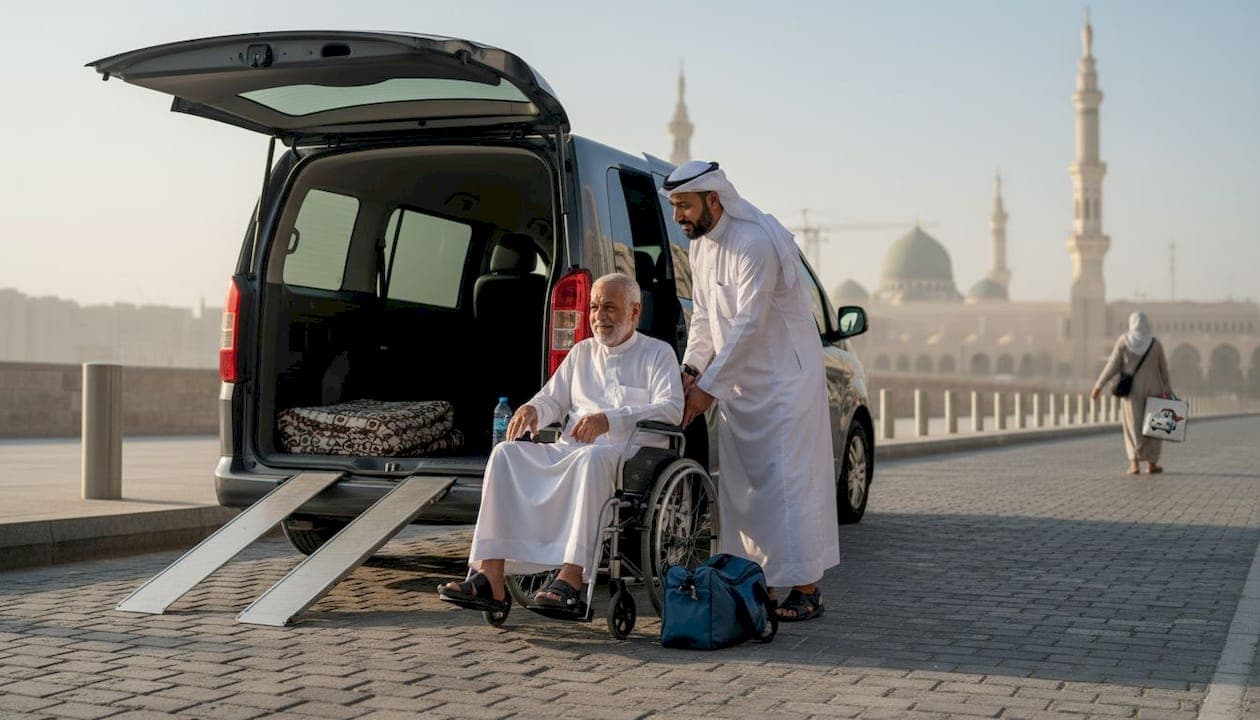
Navigating Saudi Arabia as an Umrah pilgrim with mobility needs can feel overwhelming, especially when you're traveling from a Western country for the first time. Finding reliable, wheelchair-friendly transport that meets both your accessibility requirements and Saudi regulations isn't always straightforward. Many pilgrims discover too late that not all transport options accommodate wheelchairs safely, or that booking through unofficial channels can lead to compliance issues. This comprehensive guide walks you through every step of securing accessible, compliant transport for your sacred journey, from understanding your options to booking with confidence and avoiding common pitfalls that could disrupt your pilgrimage.
Table of Contents
- Key takeaways
- Understanding accessible transport options in Saudi Arabia
- Preparing to book: important requirements and platforms
- Step-by-step guide to booking accessible transport
- Tips for a smooth experience and common pitfalls to avoid
- Explore reliable accessible transport services with Saudi Sayyah
- Frequently asked questions
Key Takeaways
| Point | Details |
|---|---|
| Nusuk booking required | The Nusuk platform is mandatory for securing visa compliant transport packages. |
| Haram mobility rentals available | Electric wheelchairs and mobility carts can be rented inside Masjid al Haram without medical documentation. |
| Private transport preferred | Licensed private transport with wheelchair lifts and trained drivers offers the most reliable accessibility. |
| Book early Ramadan | Early booking helps ensure accessible transportation during Ramadan and other peak travel periods. |
Understanding accessible transport options in Saudi Arabia
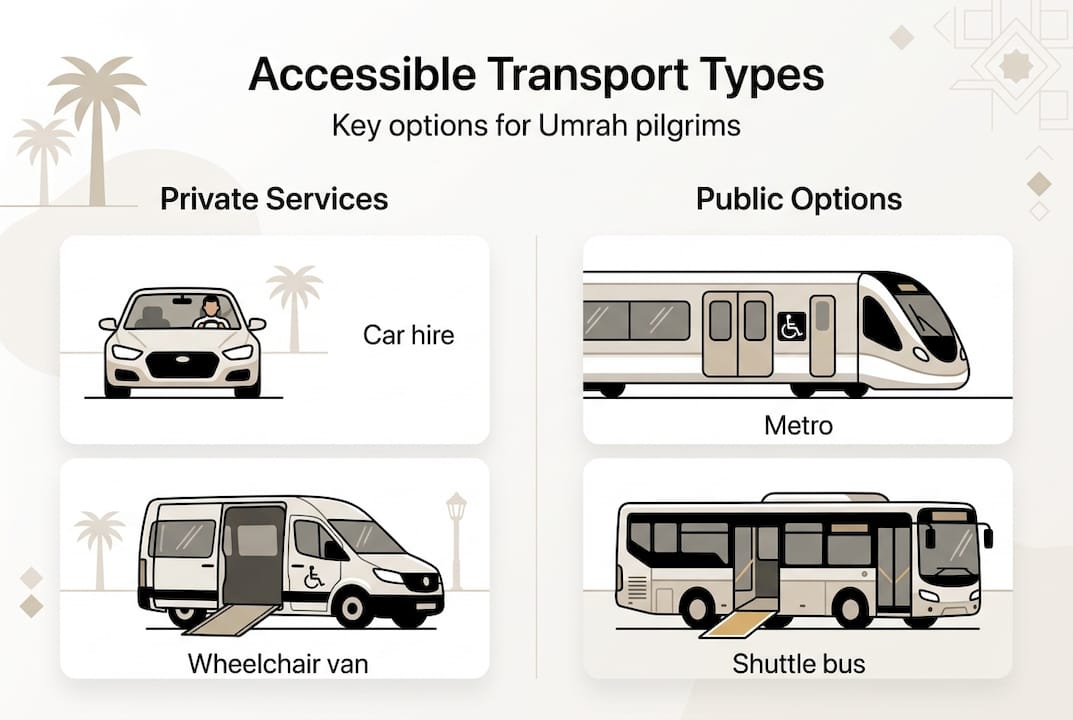
When planning your Umrah journey, you'll encounter three main categories of accessible transport. Each serves different needs and budgets, but they vary significantly in reliability and compliance with Saudi regulations.
Private transport services represent the most dependable choice for pilgrims with mobility challenges. These licensed providers maintain fleets specifically equipped with wheelchair lifts, secure restraint systems, and trained drivers who understand how to assist passengers with limited mobility. While costs run slightly higher than public alternatives, the peace of mind and guaranteed accessibility make private transport the recommended option for most pilgrims. Licensed operators comply with Saudi safety standards and carry proper insurance, protecting you from potential complications.
Public transportation in Saudi Arabia has expanded in recent years, but accessibility remains inconsistent. The Makkah Bus app and SAPTCO buses serve major routes, yet wheelchair accessibility isn't guaranteed on all vehicles or routes. You might encounter buses without working lifts, stations with limited elevator access, or schedules that don't align with prayer times. For pilgrims who can navigate stairs with minimal assistance, public transport offers an economical alternative, but those requiring full wheelchair accessibility should prioritize private services.
Inside the holy sites themselves, accessibility takes on a different dimension. Masjid al-Haram provides electric mobility carts and wheelchairs through licensed rental providers, and these don't require medical documentation. You can arrange rentals through services like Assist Haramain before arrival or upon reaching the mosque. These mobility aids prove invaluable for navigating the expansive prayer areas and performing Tawaf comfortably. Many pilgrims combine private transport for intercity travel with on-site mobility aid rentals for the most comprehensive accessibility solution.
Key considerations when evaluating transport options:
- Vehicle specifications including ramp or lift type, interior space for wheelchair maneuvering, and secure restraint systems
- Driver training and experience assisting passengers with mobility devices and understanding pilgrimage schedules
- Compliance with Saudi licensing requirements and insurance coverage for passenger safety
- Availability during your specific travel dates, especially if visiting during Ramadan or other peak periods
- Integration with your overall pilgrimage itinerary including airport transfers and visits to multiple holy sites
Understanding these options early lets you make informed decisions aligned with your specific mobility needs. For comprehensive guidance on transport considerations for elderly pilgrims who often share similar accessibility requirements, explore our transport for elderly pilgrims 2026 Umrah guide for additional insights.
Preparing to book: important requirements and platforms
Before you can secure accessible transport, you need to understand Saudi Arabia's booking requirements and gather the right information. The regulatory landscape for Umrah transport changed significantly with new visa policies, making proper preparation more critical than ever.
The Nusuk platform is now mandatory for all visa-compliant transport bookings in 2026. This official portal managed by Saudi authorities ensures that your transport arrangements meet government standards and integrate with your Umrah visa application. You cannot bypass this requirement, even when booking through licensed private providers. The platform consolidates airport transfers, intercity transport between Makkah and Madinah, and other essential services into packages that satisfy visa conditions. Attempting to arrange transport outside this system could jeopardize your visa approval or create complications upon arrival.
Licensed providers operate within the Nusuk framework while offering additional services and customization. Companies like UmrahTransit maintain fleets of accessible vehicles and can arrange specialized assistance beyond standard packages. These providers register their services through Nusuk while also maintaining their own booking platforms for direct customer engagement. When you book through a licensed provider, they handle the Nusuk compliance requirements on your behalf, simplifying the process while ensuring you meet all regulations.
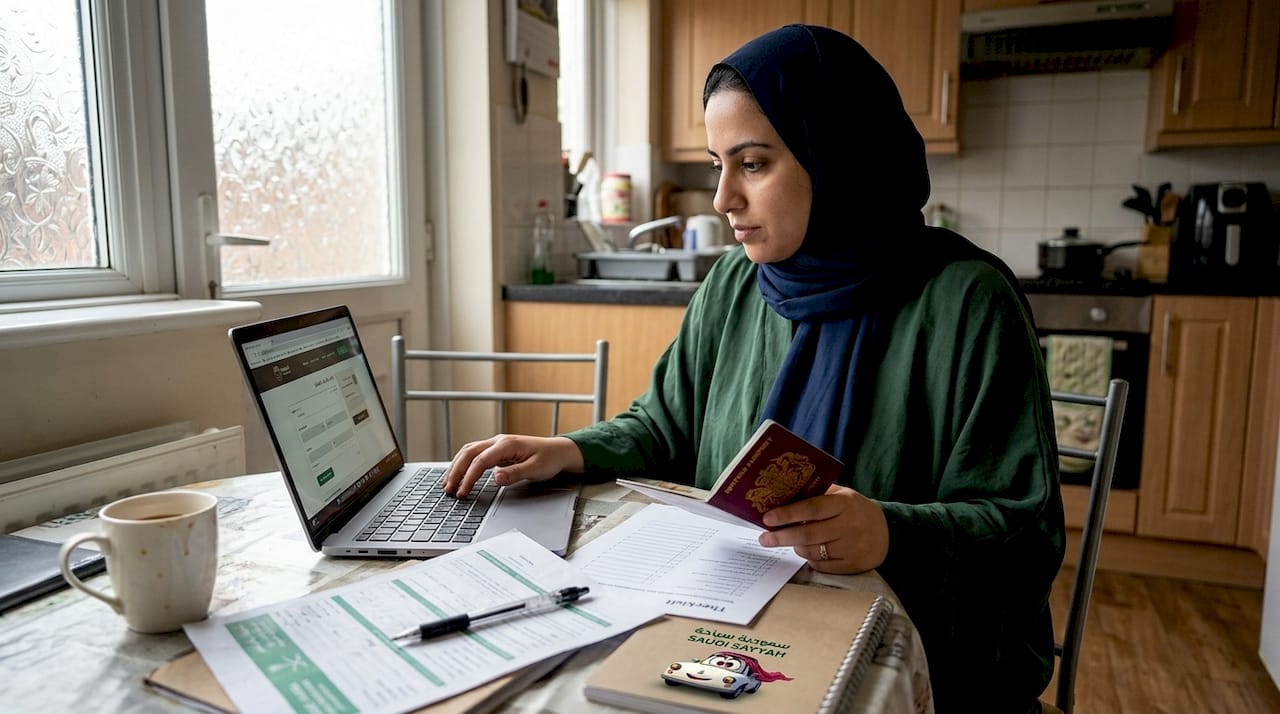
Gathering your information before starting the booking process saves time and prevents errors. You'll need passport details for all travelers, confirmed pilgrimage dates including arrival and departure times, specific mobility requirements such as wheelchair type and dimensions, and any additional assistance needs like oxygen equipment or medical devices. Document your requirements clearly because vague descriptions can lead to mismatched vehicle assignments. If you use a power wheelchair, note its weight and whether it folds, as this affects vehicle selection.
Verifying that transport packages include necessary accessibility features requires asking specific questions. Confirm the vehicle has a functioning hydraulic lift or ramp rated for your wheelchair's weight. Ask whether the interior provides adequate space for wheelchair positioning and whether restraint systems meet international safety standards. Inquire about driver training in mobility assistance and whether they speak English or your preferred language. Licensed providers should answer these questions readily and provide vehicle specifications in writing.
Pro Tip: Start your booking process at least 90 days before departure, especially if traveling during Ramadan or Hajj season when demand peaks. Early booking secures better vehicle availability and often yields lower rates before last-minute price increases kick in.
For first-time visitors unfamiliar with Saudi Arabia's holy cities, our planning a trip to the holy cities guide provides essential context about navigating Makkah and Madinah. Understanding why transport reliability matters throughout your pilgrimage journey is covered in depth in our article on why choose Saudi Sayyah reliable Umrah transport, which explains the safety and service standards you should expect.
Step-by-step guide to booking accessible transport
With your requirements documented and platforms identified, you're ready to execute your booking. Following this systematic approach ensures you secure compliant, accessible transport without overlooking critical details.
-
Access the Nusuk platform through umrah.nusuk.sa or the mobile app and create your account using your passport information. Complete the visa application process first, as transport packages integrate with visa approval. Navigate to the transport services section and review available packages that include airport pickup, intercity transfers, and local transport during your stay.
-
Select a transport package that matches your itinerary and accessibility needs. Standard packages may not explicitly mention wheelchair accessibility, so you'll need to contact providers directly to confirm vehicle specifications. Note the package details including pickup locations, transfer routes, and any included waiting time at airports or hotels.
-
Contact licensed accessible transport providers directly to specify your mobility requirements. Reach out via their websites or customer service lines, providing detailed information about your wheelchair type, weight, dimensions, and any additional equipment. Request confirmation that assigned vehicles accommodate your specific needs and ask for photos or specifications of the accessible vehicle model.
-
Book electric wheelchair rentals for use inside Masjid al-Haram through providers like Assist Haramain before your arrival. These rentals don't require medical certificates, making the process straightforward. Reserve your preferred dates and specify pickup locations within the mosque complex. Booking ahead guarantees availability, especially during busy pilgrimage periods when on-site rentals may be scarce.
-
Confirm all bookings in writing and save confirmation numbers, contact details, and service provider information in an easily accessible format. Request emergency contact numbers for your transport provider and mobility aid rental service. Verify pickup times, locations, and any special instructions for meeting drivers at airports or hotels.
-
Communicate your needs clearly to drivers and service staff upon arrival. Licensed drivers typically assist with luggage and wheelchair handling, but confirming expectations upfront prevents misunderstandings. Share your pilgrimage schedule so drivers understand prayer times and site visit durations that affect pickup timing.
Pro Tip: Carry a compact foldable mobility aid as backup even when you've arranged full accessible transport. Unexpected delays, vehicle issues, or last-minute schedule changes become manageable when you have a lightweight backup option that doesn't depend on external services.
For detailed workflows on booking pilgrimage transport including timing considerations and provider selection criteria, review our master workflow booking pilgrimage taxis 2026 guide. Comparing different transport options between Jeddah airport and Makkah helps you understand the accessibility features and service levels across providers, covered in our article on top transport options Jeddah airport Makkah.
Tips for a smooth experience and common pitfalls to avoid
Even with careful planning, certain challenges catch pilgrims off guard. Anticipating these issues and knowing how to respond protects your pilgrimage experience from preventable disruptions.
Timing your bookings strategically makes an enormous difference in both availability and cost. Ramadan and the weeks surrounding Hajj see massive pilgrim influxes that strain transport capacity. Accessible vehicles represent a smaller subset of overall fleet inventory, so they book up faster than standard options. Securing your transport 90 to 120 days in advance gives you first pick of available vehicles and locks in pre-surge pricing. Last-minute bookings during peak seasons often mean settling for whatever remains available, which may not meet your accessibility requirements.
Unlicensed taxis and informal transport services pose serious safety risks for wheelchair users. Some drivers operate vehicles with makeshift manual lifts that lack proper safety mechanisms or weight ratings. These improvised solutions can fail during use, causing injuries or damaging mobility equipment. Unlicensed taxis with unsafe manual lifts should be avoided entirely in favor of licensed accessible transport with trained assistance. Licensed drivers understand proper wheelchair securing procedures, assist with transfers safely, and carry insurance that protects passengers.
For your well-being, do not rely on unlicensed taxis with manual lifts; always use licensed accessible transport with trained assistance.
Women and elderly pilgrims receive priority consideration on certain transport services, and you should specify these circumstances when booking. Some providers offer women-only transport options or assign female attendants for assistance. Elderly pilgrims may qualify for expedited boarding or additional rest stops during longer journeys. Communicate these needs explicitly rather than assuming providers will accommodate them automatically.
Maintaining backup plans prevents minor issues from becoming major problems. Keep your foldable mobility aid accessible throughout your journey rather than packing it deep in luggage. Store service provider contact numbers in multiple places including your phone, a written card in your wallet, and shared with travel companions. If your primary transport encounters delays or mechanical issues, having immediate access to provider contacts lets you arrange alternatives quickly.
Common mistakes to avoid:
- Assuming all vehicles labeled as accessible meet international safety standards without verifying specifications
- Booking transport separately from visa packages, creating compliance gaps that immigration officials may question
- Failing to communicate wheelchair dimensions accurately, resulting in vehicles too small to accommodate your equipment
- Neglecting to confirm driver language capabilities, leading to communication barriers during your journey
- Overlooking travel insurance that covers mobility equipment damage or loss during transport
Understanding why reliable transport fundamentally impacts your entire pilgrimage experience, not just getting from point A to point B, is explored thoroughly in our article on why reliable transport matters Umrah pilgrims 2026. The peace of mind that comes from knowing your mobility needs are fully addressed lets you focus on the spiritual aspects of your journey rather than logistical concerns.
Explore reliable accessible transport services with Saudi Sayyah
After understanding the complexities of booking accessible transport in Saudi Arabia, you might appreciate a provider that simplifies the entire process while meeting all compliance requirements. Saudi Sayyah specializes in accessible transport solutions designed specifically for Umrah pilgrims with mobility needs.
Our fleet includes wheelchair-accessible vehicles equipped with hydraulic lifts, spacious interiors, and secure restraint systems that meet international safety standards. Every vehicle undergoes regular maintenance and accessibility feature inspections to ensure reliable operation throughout your pilgrimage. Our drivers receive specialized training in mobility assistance and understand the unique requirements of pilgrims visiting the holy sites.
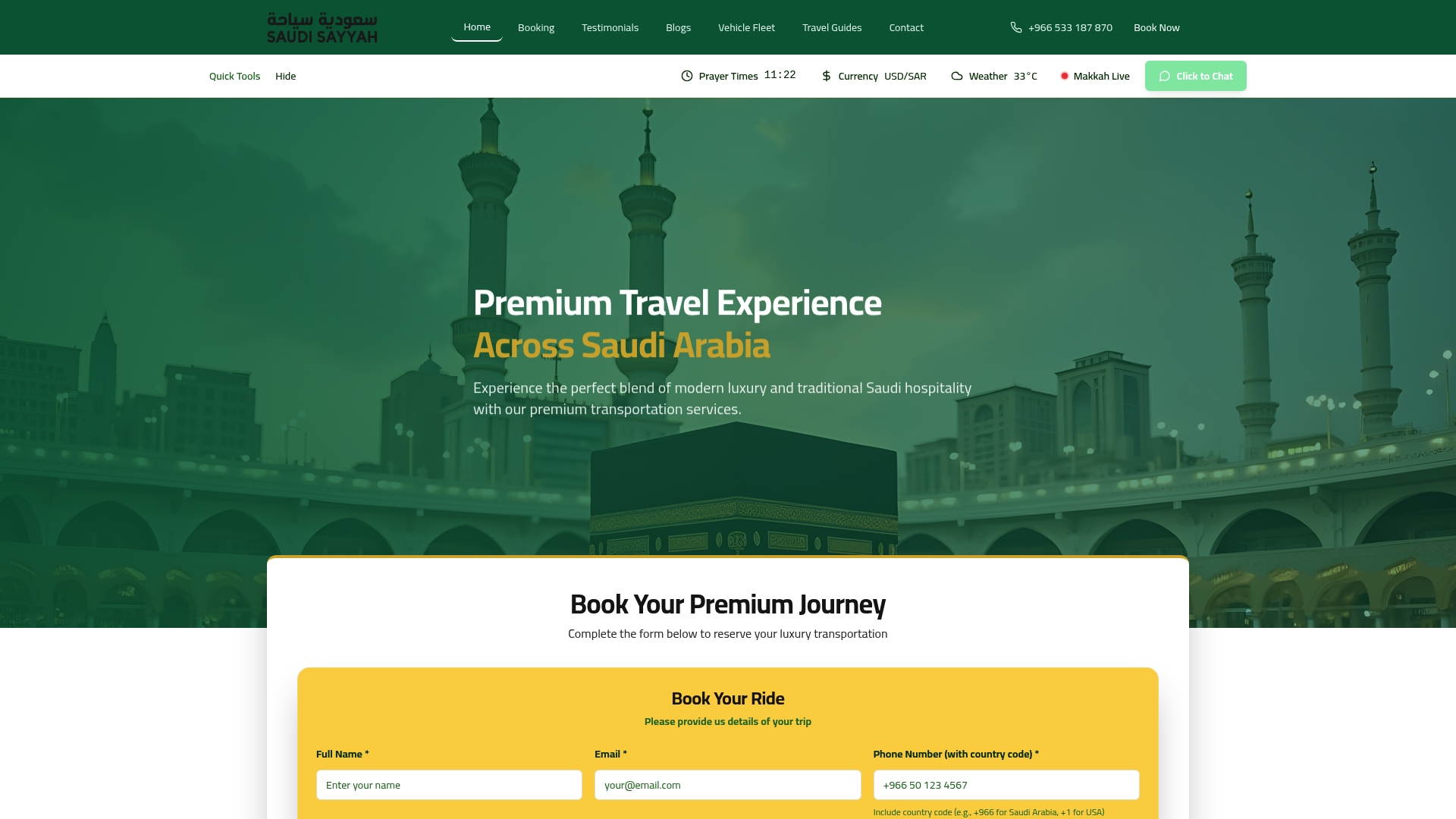
Booking through Saudi Sayyah integrates seamlessly with Nusuk platform requirements, eliminating compliance concerns while giving you direct access to our customer support team. We handle airport transfers, intercity transport between Makkah and Madinah, and local trips to holy sites with the same attention to accessibility and comfort. Our technology platform provides real-time vehicle tracking, driver information, and instant communication channels so you always know your transport status.
Explore our comprehensive car hire services to see the full range of accessible options available for your pilgrimage. Review our premium vehicle fleet specifications to understand exactly what accessibility features each vehicle offers. For real-time updates on transport conditions and availability in Makkah, check our live Makkah transport updates before and during your journey.
Frequently asked questions
What is the mandatory platform for booking accessible transport for Umrah?
The Nusuk platform is mandatory for all visa-compliant transport bookings in 2026, including accessible options. You must use this official portal to ensure your transport arrangements meet Saudi government standards and integrate properly with your Umrah visa application. Licensed providers can book on your behalf through the platform while offering additional customized services.
Can I rent an electric wheelchair inside Masjid al-Haram without a medical certificate?
Yes, electric wheelchairs inside Masjid al-Haram can be rented without providing medical documentation. Providers like Assist Haramain offer these mobility aids to any pilgrim who needs assistance navigating the mosque complex. Booking in advance is recommended to guarantee availability, especially during peak pilgrimage seasons when demand is highest.
What should I do if I need accessible transport during Ramadan or peak seasons?
Book your accessible transport at least 90 to 120 days before your departure to avoid shortages during peak seasons. Early booking secures vehicle availability before capacity fills and often provides better pricing before demand-driven increases. Our booking pilgrimage taxis 2026 guide offers detailed timing strategies for peak period travel.
How do I verify that my booked transport actually has proper accessibility features?
Request detailed vehicle specifications in writing including lift type, weight capacity, interior dimensions, and restraint system details. Ask for photos of the actual accessible vehicle model assigned to your booking. Reputable licensed providers readily supply this information and can arrange pre-arrival video calls to show you the vehicle features if you have specific concerns about compatibility with your mobility equipment.
Are licensed drivers trained to assist with wheelchair transfers and mobility devices?
Licensed accessible transport drivers receive training in safe wheelchair handling, transfer assistance, and securing mobility devices properly. They understand how to operate vehicle lifts correctly and assist passengers without causing injury or equipment damage. This training distinguishes licensed services from unlicensed taxis where drivers lack proper knowledge of accessibility equipment and safety procedures.