

Planning a group pilgrimage to Saudi Arabia brings unique challenges that first-time Umrah travelers often underestimate. Coordinating transport for dozens of pilgrims, securing accommodations near sacred sites, and managing real-time communication across your group requires more than good intentions. Technology-driven solutions have transformed how modern pilgrims navigate these logistics, yet many groups still struggle with outdated booking methods and unreliable transport. This guide delivers practical, expert-backed strategies to ensure your 2026 group pilgrimage runs smoothly from arrival to departure, with special focus on leveraging digital platforms and premium transport services that understand the sacred nature of your journey.
Table of Contents
- Criteria for choosing group travel services in Saudi Arabia
- Top transport options for group pilgrimages
- Comparison of group lodging and accommodation options
- Making informed decisions: planning and technology tips
- Plan your group pilgrimage with Saudi Sayyah
Key takeaways
| Point | Details |
|---|---|
| Reliable transport is essential | Premium vehicles with experienced drivers ensure group comfort and punctual arrival at pilgrimage sites |
| Technology streamlines coordination | Digital booking platforms provide real-time updates, driver tracking, and seamless communication for large groups |
| Early planning prevents stress | Booking transport and lodging months ahead secures availability during peak pilgrimage seasons |
| Group-specific services matter | Providers specializing in religious travel understand ritual timing and sacred site protocols |
| Budget and quality balance | Comparing transport options by capacity, features, and reliability helps optimize spending without sacrificing safety |
Criteria for choosing group travel services in Saudi Arabia
Selecting the right travel services for your pilgrimage group demands careful evaluation across multiple dimensions. Safety stands as the paramount concern, requiring transport providers with proper licensing, insurance coverage, and maintenance records for their fleets. Premium vehicle options with modern safety features provide peace of mind when moving groups between Mecca, Medina, and other sacred locations.
Vehicle capacity and comfort directly impact your group's pilgrimage experience. Cramped conditions during long journeys between cities can exhaust pilgrims before they reach prayer sites. Evaluate whether providers offer vehicles matching your exact group size, from luxury sedans for small families to full-size coaches for larger congregations. Air conditioning quality, luggage space, and seating arrangements all influence comfort levels during Saudi Arabia's hot climate.
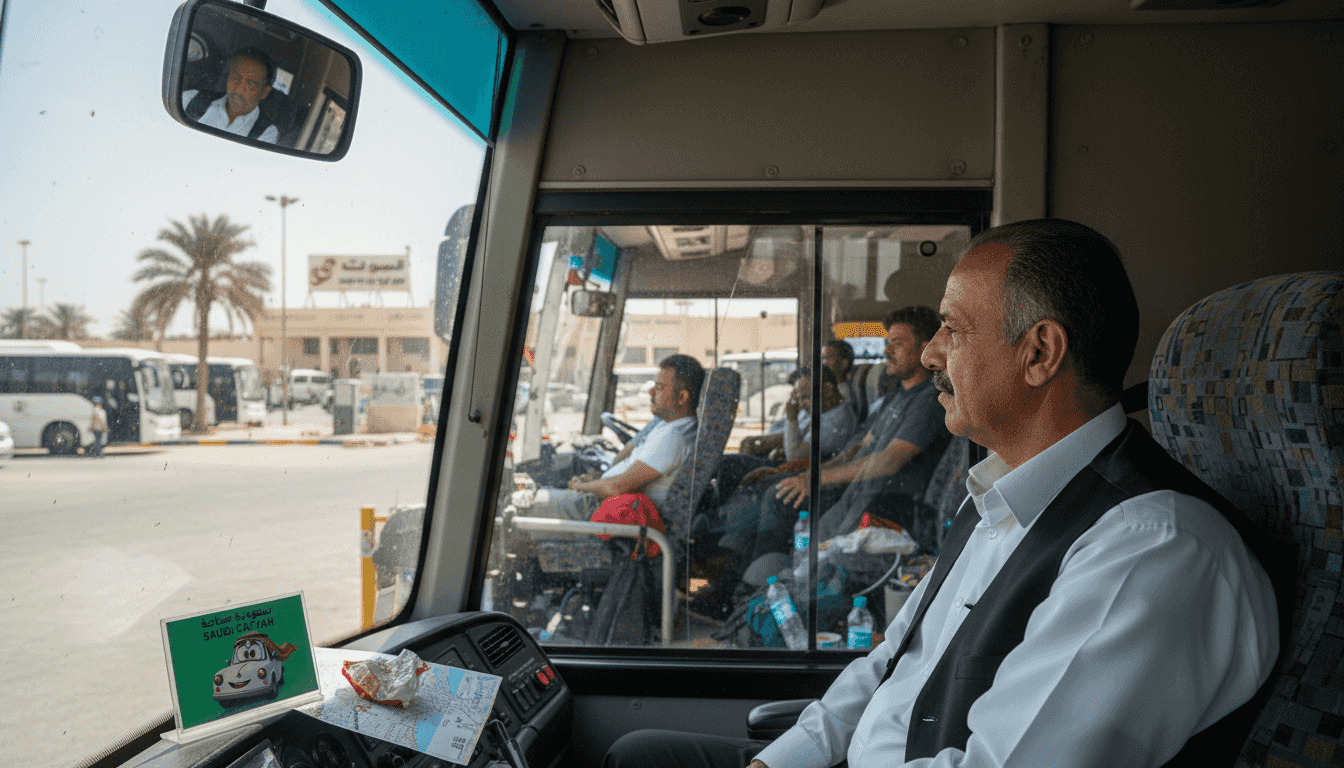
Technology integration separates modern providers from traditional services. Look for platforms offering automated booking systems, real-time vehicle tracking, and instant driver communication. These digital tools eliminate the confusion that plagued earlier pilgrim groups, who often waited hours without updates about delayed pickups. The best services send driver photos, vehicle details, and live location data before each trip, allowing group leaders to coordinate precisely.
Proximity to pilgrimage sites should guide accommodation and transport hub selection. Staying within walking distance of the Haram in Mecca or the Prophet's Mosque in Medina reduces daily transport needs and maximizes time for worship. When planning a trip to the holy cities, consider providers with dedicated pickup zones near these locations.
Budget considerations require balancing cost against service quality. The cheapest option rarely delivers the reliability that sacred journeys demand. Calculate total costs including hidden fees, surge pricing during peak seasons, and potential penalties for schedule changes. Group discounts from established providers often prove more economical than piecing together individual bookings.
Understanding your group's specific religious and logistical needs helps tailor service selection. Some groups require female drivers for women-only transport. Others need vehicles equipped for elderly or disabled pilgrims. Communicate these requirements upfront to avoid disappointments upon arrival.
Pro Tip: Contact transport providers three to four months before peak Umrah seasons to verify fleet availability and lock in rates before demand spikes drive prices higher.
Top transport options for group pilgrimages
Private car hires deliver maximum flexibility for pilgrimage groups seeking personalized service. These arrangements allow you to set departure times around prayer schedules rather than conforming to fixed routes. Professional drivers familiar with pilgrimage protocols understand the importance of punctuality for Fajr prayers or timed rituals. Saudi Sayyah offers premium car hire and dedicated Umrah group transport with vehicles ranging from executive sedans to spacious vans, each maintained to the highest standards.
The primary advantage of private hires lies in route customization. Your group can request stops at historical Islamic sites between major cities or adjust itineraries based on energy levels and ritual completion. This flexibility proves invaluable when pilgrims need extra rest or wish to extend time at particular locations. Modern private hire services include real-time tracking, allowing group leaders to monitor vehicle locations and estimated arrival times through mobile apps.
Shuttle buses represent the most economical choice for larger congregations traveling together. These vehicles efficiently move 20 to 50 pilgrims simultaneously, dramatically reducing per-person transport costs. Fixed schedules provide structure that helps groups maintain coordinated movements between accommodations and prayer sites. However, this rigidity becomes a drawback when individuals need flexibility or when unexpected delays occur.
Ride-hailing applications specifically designed for pilgrims have emerged as reliable alternatives in 2026. These platforms combine the convenience of on-demand booking with features tailored to religious travelers. Live tracking, multilingual support, and verified driver profiles address common concerns about safety and communication barriers. Some apps now offer group ride coordination, allowing multiple pilgrims to share larger vehicles while splitting costs automatically.
Public transport systems in Saudi Arabia have expanded significantly, with modern metro lines and bus networks connecting major pilgrimage sites. While economical, these options challenge groups needing to move together on tight schedules. Navigating unfamiliar transit systems, managing luggage, and coordinating large groups through crowded stations creates unnecessary stress during sacred journeys.
When booking pilgrimage taxis in 2026, follow this streamlined process:
- Research providers specializing in religious travel at least 60 days before departure, comparing fleet quality, technology features, and customer reviews from previous pilgrims
- Request detailed quotes including all fees, confirm vehicle capacity matches your exact group size, and verify driver experience with pilgrimage routes and timing requirements
- Book through digital platforms offering instant confirmation, automated payment processing, and real-time communication channels for last-minute adjustments or support requests
Pro Tip: Download transport provider apps before arriving in Saudi Arabia and test communication features while still at home to ensure smooth coordination once your pilgrimage begins.
Comparison of group lodging and accommodation options
Hotels near pilgrimage sites dominate the accommodation landscape, offering convenience that justifies premium pricing during peak seasons. Properties within walking distance of the Haram command the highest rates, yet the time saved on daily transport often outweighs the cost difference. Availability fluctuates dramatically, with rooms booking solid months ahead during Ramadan and Hajj periods. Modern hotels provide group booking coordinators who handle check-in logistics for large parties, streamlining arrival processes.
Guesthouses deliver homely environments particularly suited to budget-conscious groups prioritizing community over luxury. These smaller establishments often include communal dining areas where pilgrims share meals and experiences, fostering the brotherhood central to Islamic pilgrimage. Family-run guesthouses frequently offer more flexible cancellation policies and personalized service compared to corporate hotel chains. However, limited capacity means booking extremely early becomes essential.
Renting apartments or villas provides privacy and communal spaces ideal for extended families or groups traveling together for multiple weeks. These options include full kitchens, allowing groups to prepare familiar meals and accommodate dietary restrictions more easily. Separate bedrooms and living areas give pilgrims personal space to rest between rituals while maintaining group cohesion. The tradeoff involves managing your own housekeeping and potentially longer distances from pilgrimage sites.
Proximity to transport hubs deserves equal weight with distance to prayer sites. Accommodations near major roads or dedicated pilgrimage transport zones simplify daily logistics, especially for groups using private car services. Fee waivers and lodging incentives for certain pilgrim categories can significantly impact total accommodation costs, making premium locations more accessible.
When selecting lodging near historical sites like Ghar e Hira, balance spiritual significance with practical accessibility for all group members, particularly elderly pilgrims.
| Accommodation Type | Price Range (per night) | Group Capacity | Distance to Haram | Key Amenities |
|---|---|---|---|---|
| Luxury Hotel | $200-500 | 2-4 per room | 100-500 meters | Concierge, restaurants, group coordinators |
| Mid-range Hotel | $80-200 | 2-4 per room | 500-1500 meters | Basic breakfast, Wi-Fi, shuttle service |
| Guesthouse | $40-80 | 4-8 per room | 1-3 kilometers | Communal dining, local hospitality |
| Apartment Rental | $150-400 | 6-12 total | 1-5 kilometers | Full kitchen, living spaces, privacy |
| Villa Rental | $300-800 | 10-20 total | 2-10 kilometers | Multiple bedrooms, outdoor areas, parking |
Making informed decisions: planning and technology tips
Digital platforms revolutionize group itinerary management by centralizing schedules, transport bookings, and accommodation details in shared applications accessible to all pilgrims. Cloud-based travel organizers allow group leaders to update plans instantly, with changes propagating to every member's device simultaneously. This eliminates the confusion from outdated printed schedules or verbal communications lost in translation across large groups.
Coordinating transport and lodging bookings together ensures schedule harmony that prevents wasted time and missed rituals. When your accommodation provider and transport service communicate directly, pickup times automatically adjust for prayer schedules or unexpected delays. Integrated booking platforms that handle both elements streamline this coordination, reducing the administrative burden on group leaders.
Assigning dedicated group leaders technology access with administrative privileges creates clear communication hierarchies. These coordinators receive priority support channels from service providers, enabling rapid problem resolution when issues arise. Equip leaders with portable Wi-Fi devices ensuring constant connectivity even in crowded pilgrimage areas where cellular networks become congested.
Establishing backup plans for transport delays or last-minute lodging needs prevents minor setbacks from derailing your entire pilgrimage. Identify alternative transport providers in advance, saving contact information for emergency bookings. Research backup accommodations at various price points, pre-qualifying options that can absorb your group if primary plans fall through.
Technology integration in pilgrimage travel is not about convenience alone. It is about honoring the sacred nature of your journey by eliminating logistical distractions that prevent full spiritual focus. Modern pilgrims deserve tools that let them concentrate on worship rather than wondering when their transport will arrive.
Follow this workflow for managing bookings, travel documents, and group check-ins:
- Consolidate all booking confirmations into a shared digital folder accessible offline, including transport vouchers, accommodation receipts, and emergency contact numbers for every service provider
- Create a master spreadsheet tracking each pilgrim's passport details, visa information, flight itineraries, and special requirements like dietary restrictions or mobility assistance needs
- Establish a communication protocol using group messaging apps with designated channels for emergencies, daily updates, and general coordination to prevent important messages from being buried
- Schedule pre-departure video meetings to review itineraries, demonstrate app usage for tracking and communication, and address questions before pilgrims arrive in Saudi Arabia
- Designate backup leaders for each subgroup of 10-15 pilgrims, ensuring continuity if primary coordinators face personal emergencies or connectivity issues
Pro Tip: Test all digital platforms and communication tools during a local group gathering before your pilgrimage, identifying technical issues while support resources remain easily accessible rather than discovering problems upon arrival in Saudi Arabia.
Plan your group pilgrimage with Saudi Sayyah
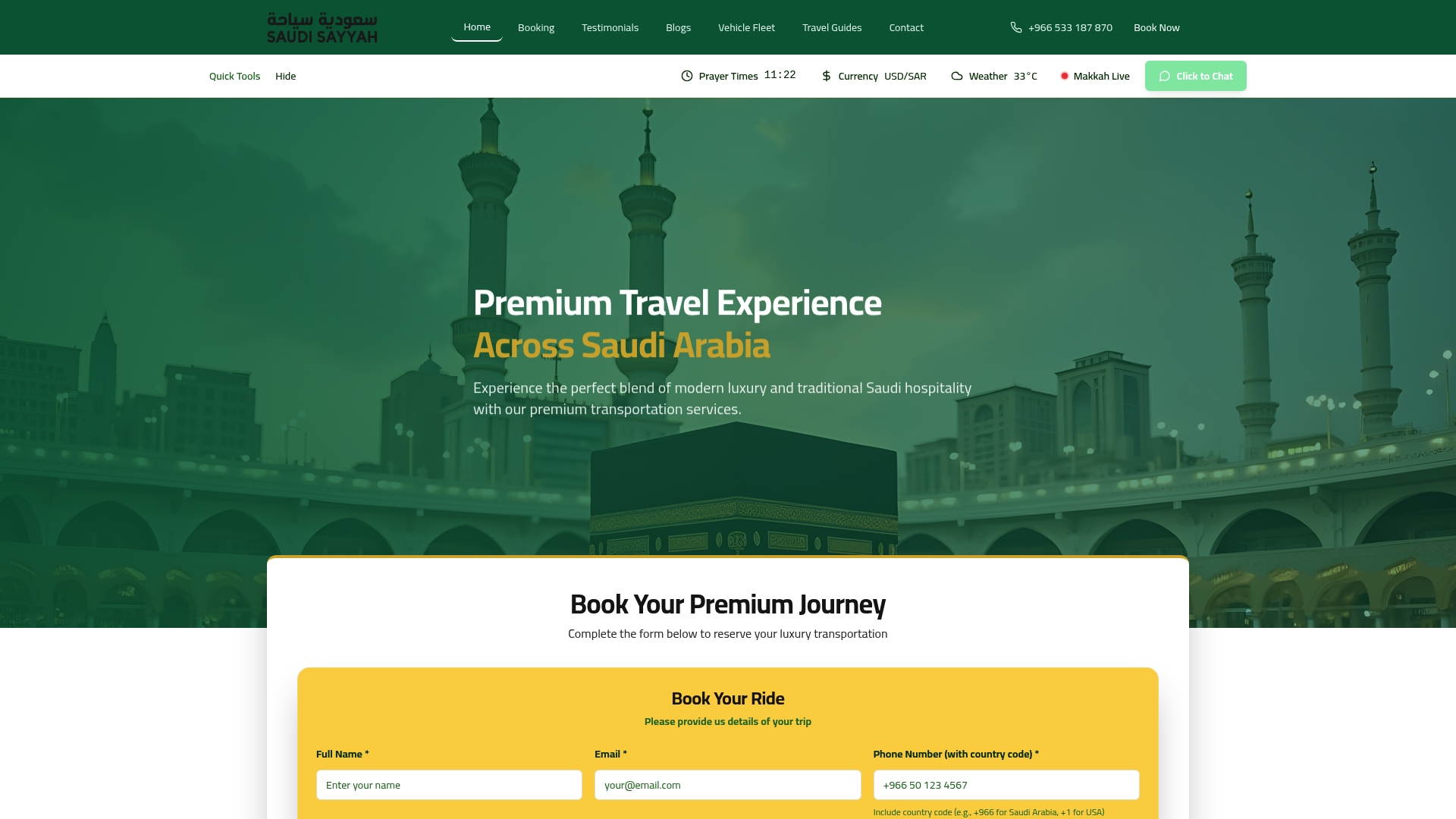
After understanding the complexities of group pilgrimage coordination, partnering with specialists who combine technology with genuine hospitality becomes essential. Saudi Sayyah's car hire services deliver exactly this combination, offering premium transport solutions specifically designed for Umrah and Hajj travelers. Our fully automated booking system eliminates paperwork hassles while maintaining the personal touch that sacred journeys deserve.
Our premium vehicle fleet includes options for every group size, from executive sedans for small families to spacious vans accommodating larger congregations. Each vehicle features the latest safety technology, comfortable seating, and climate control systems essential for Saudi Arabia's demanding conditions. Professional drivers bring years of pilgrimage route experience, understanding ritual timing and sacred site protocols that generic transport services miss.
What truly distinguishes our service is the geolocation-enabled platform sending driver photos, vehicle details, and real-time tracking before every pickup. This transparency provides the peace of mind first-time pilgrims need, eliminating the anxiety of uncertain arrivals. Connect with Saudi Sayyah today to simplify your 2026 pilgrimage travel plans and focus on what matters most during your sacred journey.
FAQ
What are the essential tips for first-time group Umrah travelers?
Plan transport and lodging at least three months before departure, especially during peak seasons when availability disappears quickly. Use technology platforms offering real-time updates and centralized coordination to keep your entire group synchronized. Verify that transport providers understand pilgrimage timing requirements and can accommodate your exact group size without splitting parties across multiple vehicles.
How can technology simplify group travel coordination in Saudi Arabia?
Digital applications enable instant communication across your entire group, eliminating the confusion from outdated verbal instructions or lost paper schedules. Real-time tracking shows exact vehicle locations and estimated arrival times, allowing leaders to coordinate movements precisely. Automated booking systems manage reservations, payments, and confirmations efficiently while maintaining detailed records accessible from any device.
What are reliable transport options for large pilgrimage groups in 2026?
Private car hires offer maximum flexibility and comfort, allowing groups to customize routes and schedules around prayer times and ritual requirements. Shuttle buses provide cost-effective solutions for moving 20 to 50 pilgrims simultaneously on coordinated schedules. Premium providers like Saudi Sayyah combine both options with technology integration, delivering reliability that sacred journeys demand with features specifically designed for religious travelers.
How far in advance should groups book pilgrimage accommodations?
Book accommodations four to six months before travel during regular seasons, extending to eight to twelve months for Ramadan or Hajj periods when demand peaks dramatically. Properties within walking distance of the Haram book earliest, so prioritize these locations if proximity matters to your group. Confirm cancellation policies carefully, as pilgrimage plans sometimes shift due to visa delays or health concerns.