
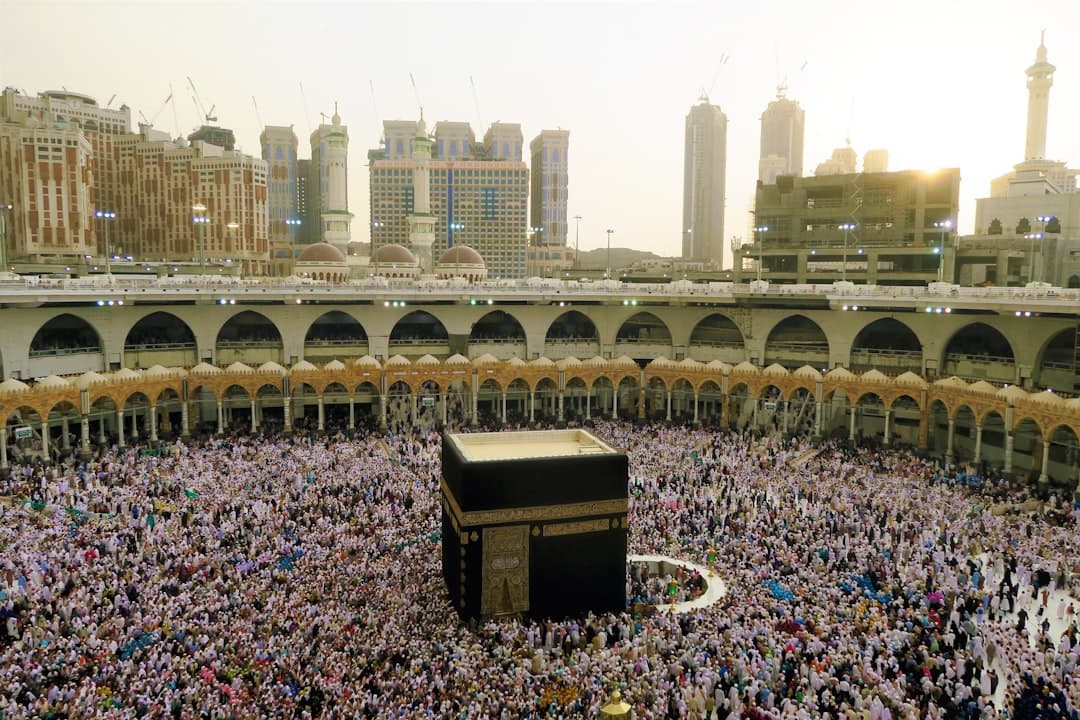
Planning your first Umrah journey to Makkah brings excitement mixed with uncertainty about which sacred sites deserve your limited time. With dozens of historically significant locations scattered across the city, knowing where to focus your spiritual energy becomes crucial. This guide walks you through the essential places that combine deep religious meaning with practical accessibility, helping you craft an enriching pilgrimage experience. We’ll explore selection criteria, highlight must-visit sites like the Kaaba and Cave of Hira, and provide actionable tips to navigate each location with confidence and reverence.
Table of Contents
-
How To Choose Places To Visit In Makkah: Criteria For First-Time Pilgrims
-
The Kaaba And Masjid Al-Haram: Heart Of The Spiritual Journey
-
Visiting The Cave Of Hira And Jabal Al-Noor: Stepping Into Islamic History
-
Comparing Key Spiritual Sites: Kaaba, Masjid Al-Haram, And Cave Of Hira
Key takeaways
| Point | Details |
| Prioritize spiritual significance | Focus on sites directly connected to Prophet Muhammad’s life and Quranic revelations for maximum spiritual impact |
| Plan around accessibility | Consider physical demands, crowd patterns, and available facilities when scheduling your visits |
| Time your visits strategically | Avoid peak seasons like Saudi school holidays and Ramadan’s final days to enhance your experience |
| Use modern amenities | Take advantage of recent infrastructure improvements including paved pathways, prayer areas, and guided tour options |
How to choose places to visit in Makkah: criteria for first-time pilgrims
Selecting which sacred sites to visit requires balancing spiritual priorities with practical realities. Your first consideration should always be spiritual significance. Sites directly tied to Prophet Muhammad’s life and major Islamic events offer the deepest connection to your faith. These locations provide context for the rituals you’ll perform and deepen your understanding of Islamic history.
Accessibility matters tremendously for first-time visitors unfamiliar with Makkah’s terrain. Some sites require significant physical effort, while others offer barrier-free access. Evaluating your mobility level honestly helps prevent disappointment and ensures you can fully engage with each location. Modern improvements like transport for elderly pilgrims have made many sites more reachable than ever before.
Timing dramatically affects your experience at popular sites. The best strategy involves avoiding peak seasons like Saudi school holidays, Hajj season, and the last 10 days of Ramadan to sidestep overwhelming crowds. Early morning visits often provide quieter moments for reflection and prayer.
Consider these practical factors when planning:
-
Available facilities including restrooms, prayer areas, and refreshment options
-
Distance from your accommodation and available transportation
-
Guided tour availability for deeper historical context
-
Site-specific rules about photography, dress code, and behavior
Amenities significantly enhance visitor comfort and spiritual focus. Sites with dedicated prayer spaces, climate-controlled areas, and informational displays allow you to spend more time absorbing the spiritual atmosphere without physical discomfort interrupting your contemplation.
The Kaaba and Masjid al-Haram: heart of the spiritual journey
Every Muslim’s spiritual compass points toward the Kaaba, making it the absolute center of your Makkah visit. The Kaaba serves as the focal point of prayer for Muslims worldwide, symbolizing unity and a shared direction of worship. This simple cubic structure draped in black silk represents the purest form of monotheistic devotion, stripped of ornamental distraction.
Historically, Prophet Ibrahim and his son Ismail built the Kaaba as the first house of worship dedicated to one God. Over centuries, it has been reconstructed and renovated, yet its spiritual essence remains unchanged. The Black Stone embedded in its eastern corner connects you to millions of believers who have touched it throughout Islamic history.
Masjid al-Haram surrounds the Kaaba with breathtaking architecture designed to accommodate massive pilgrim numbers. The Grand Mosque now accommodates over 2.5 million worshippers after its 2025 expansion, featuring multiple prayer levels, climate control, and advanced crowd management systems. This expansion ensures you’ll find space to perform your rituals even during busy periods.
Navigating the mosque efficiently requires insider knowledge:
-
Enter through Gate 79 for quickest access to the Mataf (circumambulation area)
-
Use upper levels during peak times to avoid ground-floor congestion
-
Perform Sa’i between Safa and Marwa early morning or late evening
-
Locate prayer spots near the Zamzam water stations for convenient access
Pro Tip: The Kaaba’s interior, rarely seen by pilgrims, contains only three pillars and minimal decoration, emphasizing that spiritual significance transcends physical grandeur.
Exploring the Makkah live historical overview before your visit helps you appreciate the architectural evolution and understand the mosque’s layout, making your first encounter less overwhelming and more spiritually focused.
Visiting the Cave of Hira and Jabal al-Noor: stepping into Islamic history
The Cave of Hira represents the birthplace of Islamic revelation, where Prophet Muhammad received the first Quranic verses during his meditative retreat. This small cave atop Jabal al-Noor (Mountain of Light) offers pilgrims a tangible connection to the moment that changed human history. Standing where the Prophet stood when Angel Jibreel commanded “Read!” creates an unforgettable spiritual experience.
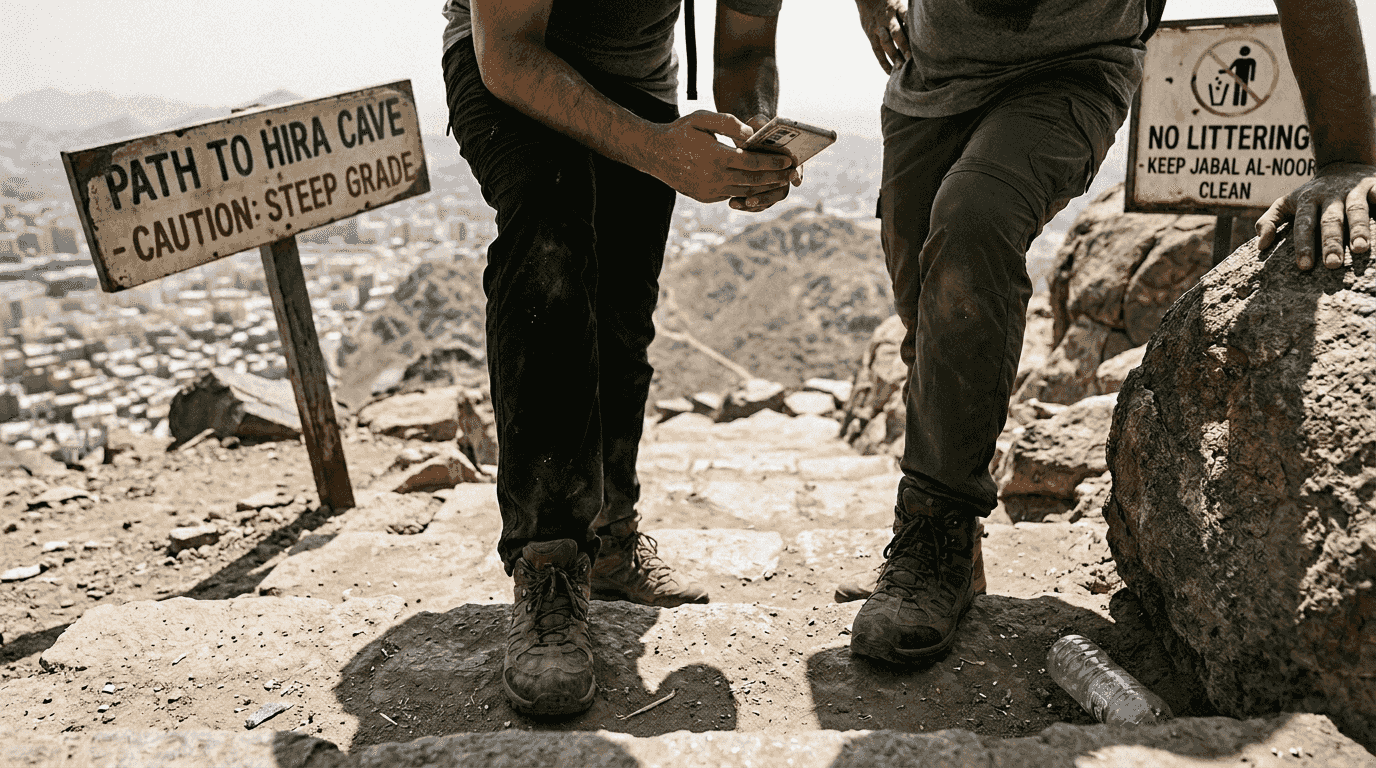
Reaching the cave demands physical commitment. The climb involves over 1,200 steps carved into the mountainside, typically taking between 40 minutes and 1.5 hours depending on your fitness level and rest frequency. The path grows steeper near the summit, requiring sturdy footwear and adequate hydration.
Recent infrastructure improvements have made the journey more manageable. New paved pathways with handrails provide safer footing than the rough trails pilgrims navigated for centuries. Most exciting, a cable car system is under development to improve accessibility for elderly and mobility-challenged pilgrims, though completion dates remain tentative.
The Hira Cultural District at the mountain’s base offers modern amenities:
-
Air-conditioned rest areas and cafés
-
Clean restroom facilities
-
Small museum explaining the cave’s historical significance
-
Designated prayer areas for pre-climb and post-descent worship
-
Souvenir shops with educational materials
Follow these steps for a successful visit:
-
Start your climb during cooler hours, preferably early morning or late afternoon
-
Wear comfortable athletic shoes with good traction
-
Bring at least one liter of water per person
-
Pace yourself with regular rest stops to avoid exhaustion
-
Allow 3-4 hours total for the complete experience including descent
Pro Tip: Visitors should avoid performing prayers inside the Cave of Hira; prayers should be performed in the mosque at the base to maintain respect for the site’s solemnity and prevent overcrowding in the small space.
Consider booking a visit to Ghar e Hira with organized transportation to eliminate navigation stress and ensure you arrive during optimal visiting hours.
Comparing key spiritual sites: Kaaba, Masjid al-Haram, and Cave of Hira
Understanding how these major sites differ helps you allocate your time and energy effectively. Each location offers unique spiritual benefits matched with varying accessibility requirements.
| Feature | Kaaba & Masjid al-Haram | Cave of Hira |
| Location | Central Makkah, easily accessible | Jabal al-Noor, 4 km northeast of Masjid al-Haram |
| Spiritual significance | Qibla for all Muslims, site of Tawaf and Sa’i rituals | Location of first Quranic revelation |
| Physical demand | Minimal, wheelchair accessible throughout most areas | High, requires climbing 1,200+ steps |
| Crowd level | Very high during peak seasons, moderate off-peak | Moderate to high, especially weekends |
| Time needed | 2-4 hours minimum for basic rituals | 3-4 hours including climb and descent |
| Facilities | Extensive: restrooms, Zamzam water, prayer spaces, climate control | Basic: restrooms and refreshments at base only |
| Best visiting time | Early morning (4-7 AM) or late night (11 PM-2 AM) | Early morning (5-8 AM) before heat intensifies |
| Accessibility improvements | Elevators, ramps, designated wheelchair paths | Paved pathways, future cable car system |
| Photography | Restricted in certain areas, generally permitted outside | Permitted throughout, stunning panoramic views |
| Guided tours | Available through multiple providers | Recommended for historical context |
This comparison reveals that the Kaaba and Masjid al-Haram suit all pilgrims regardless of physical ability, while the Cave of Hira rewards those capable of moderate hiking with a more intimate historical connection. Your planning for a trip to the holy cities should account for these differences, perhaps scheduling physically demanding sites earlier in your trip when energy levels peak.
Balancing mandatory rituals at the Grand Mosque with optional historical sites like the Cave of Hira creates a well-rounded pilgrimage experience. Don’t feel pressured to visit every location. Quality spiritual engagement at fewer sites surpasses rushed visits to many.
Plan your Makkah visit with Saudi Sayyah car hire services
Navigating between Makkah’s sacred sites becomes effortless when you have reliable transportation designed specifically for pilgrims. Saudi Sayyah specializes in providing comfortable, technology-enabled car hire services that eliminate the stress of finding taxis or navigating unfamiliar public transit during your spiritual journey.

Our premium vehicle fleet features the latest model year vehicles with climate control, spacious interiors for groups, and professional drivers who understand pilgrim needs. Before each trip, you’ll receive driver photos, vehicle details, and real-time tracking through our geolocation platform. This transparency provides peace of mind, especially for first-time visitors unfamiliar with the area. Whether you’re traveling from your hotel to the Grand Mosque or planning a morning visit to the Cave of Hira, our automated booking system ensures your transportation arrives exactly when needed. Explore our Makkah live overview to understand the city layout and plan your itinerary with confidence.
FAQ
What are the best times to visit these places in Makkah?
The best time to perform Umrah is during winter months (November through February) due to moderate weather and moderate crowds. Temperatures remain comfortable for outdoor activities like climbing to the Cave of Hira, and you’ll encounter fewer pilgrims than during Ramadan or Hajj season. For daily visits to the Grand Mosque, aim for early morning hours between 4 and 7 AM or late night after 11 PM when crowd density drops significantly. Avoid planning your trip during Saudi school holidays, the last 10 days of Ramadan, or the weeks surrounding Hajj when accommodation prices spike and sites become overwhelmingly crowded.
How can I access the Cave of Hira if I have mobility issues?
While the Cave of Hira traditionally required climbing over 1,200 steps, recent improvements have made the journey more manageable. Newly installed paved pathways with sturdy handrails provide safer footing than the rough trails used previously. Most promisingly, a cable car system is under development to improve accessibility for elderly and mobility-challenged pilgrims, though the exact completion date hasn’t been announced. Until the cable car opens, pilgrims with limited mobility should honestly assess whether the climb matches their capabilities. The Hira Cultural District at the mountain’s base offers prayer areas, museums, and historical displays that provide spiritual enrichment without requiring the ascent.
Is it permissible to pray inside the Cave of Hira?
No, visitors should avoid performing prayers inside the Cave of Hira; prayers should be performed in the mosque at the base to maintain respect for the site’s solemnity. The cave’s small size means even a few people praying would create dangerous overcrowding and prevent others from entering. Islamic scholars emphasize that the cave’s significance lies in its historical importance as the revelation site, not as a prayer location. The designated mosque facilities at Jabal al-Noor’s base provide appropriate spaces for worship before or after your climb. This guideline helps preserve the site while ensuring all pilgrims can safely experience this profound connection to Islamic history.
What app can help me plan my Umrah pilgrimage efficiently?
The Nusuk app is the official Saudi government platform offering visa application and step-by-step Umrah guidance without collecting user data. This comprehensive tool handles everything from securing your Umrah permit to booking accommodation near the Grand Mosque. The app provides detailed ritual instructions with visual guides, helping first-time pilgrims perform Tawaf, Sa’i, and other ceremonies correctly. Real-time mosque capacity indicators help you choose optimal visiting times. Unlike third-party apps, Nusuk integrates directly with Saudi immigration systems, streamlining your entire journey. For additional transportation planning, check out our travel app for pilgrims guide to discover tools that complement Nusuk’s core features.