
TL;DR:
- Pilgrimage logistics encompass visa, flights, hotels, ground transport, and support, beyond just booking.
- Early, digital planning (6-12 months) ensures smoother Umrah experiences during peak periods.
- Reliable transport options include high-speed trains, official shuttles, and pre-booked private vehicles.
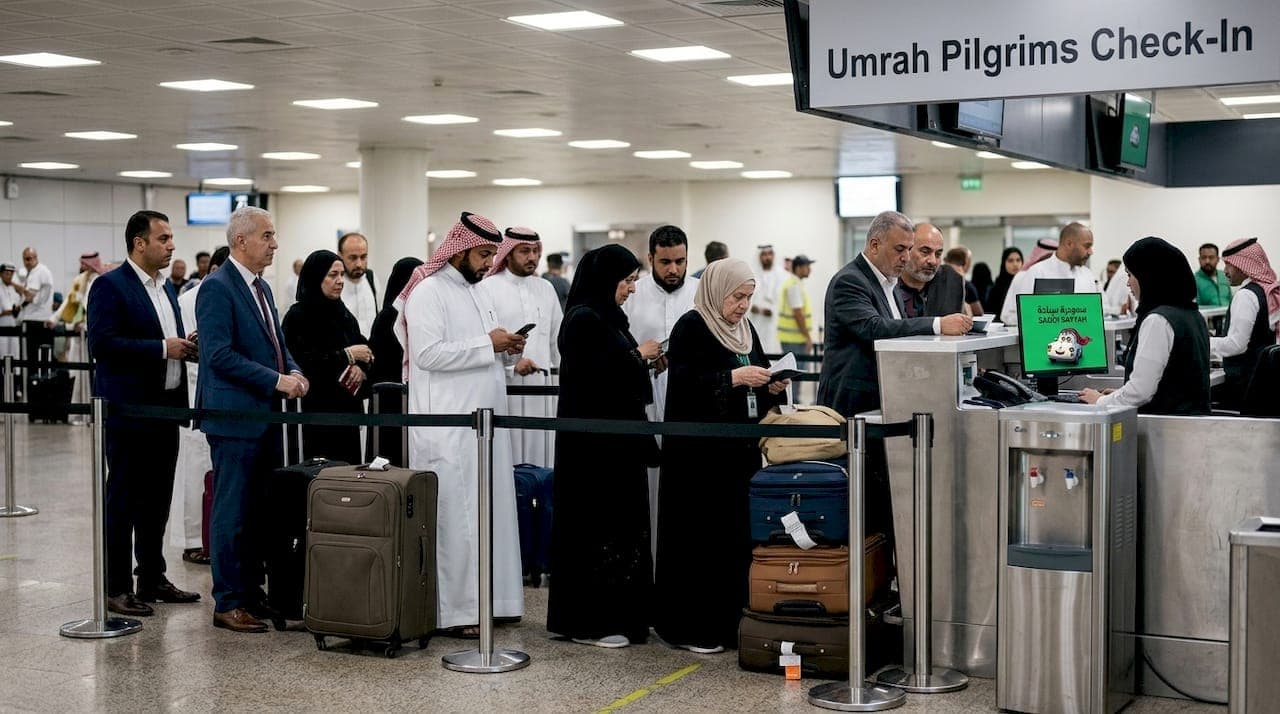
Many first-time pilgrims assume Umrah logistics means booking a flight and reserving a hotel room. It does not. Pilgrimage logistics covers the full scope of travel management: visa processing, flight coordination, ground transportation, accommodations near the Haram, meals, and on-site support. Each element connects to the next, and a gap in any one area can disrupt your entire journey. For Western pilgrims making this trip for the first time, understanding exactly what needs to be planned, and in what order, is the most practical thing you can do before departure.
Table of Contents
- What is pilgrimage logistics for Umrah?
- Step-by-step breakdown: The essential mechanics of Umrah logistics
- Comparing transport options for Western Umrah pilgrims
- Handling edge cases and common challenges in Umrah logistics
- Why digital-first logistics changed the Umrah experience
- Reliable ground transport with Saudi Sayyah
- Frequently asked questions
Key Takeaways
| Point | Details |
|---|---|
| All-in logistics planning | Successful Umrah logistics covers every step from visa app to hotel and transport choices. |
| Digital-first approach | Using tools like the Nusuk app is now essential for permits, bookings, and smooth navigation. |
| Transport matters most | Pre-booking reliable shuttles, rail, and vehicles prevents delays and stress during pilgrimage peaks. |
| Expect challenges | Plan for crowd peaks, accessibility, hydration, and lost luggage to ensure a stress-free trip. |
| Early preparation wins | Start logistics planning 6-12 months prior to lock in best routes, hotels, and transport options. |
What is pilgrimage logistics for Umrah?
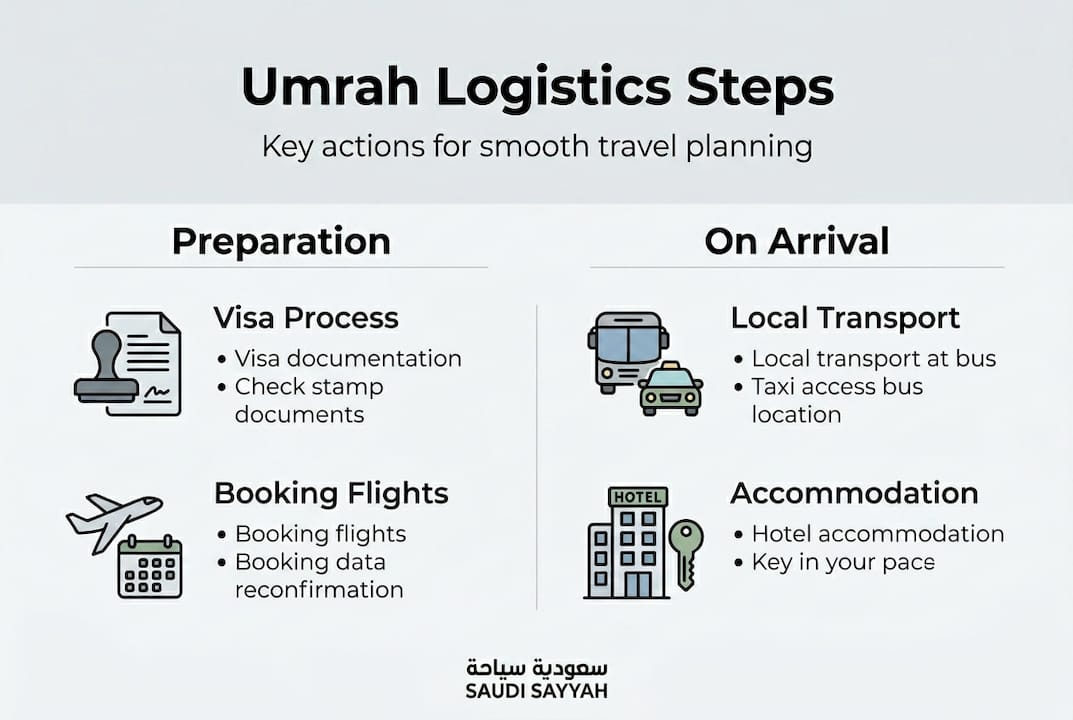
Pilgrimage logistics for Umrah is the coordinated planning and management of every travel component required to perform the pilgrimage smoothly. It goes well beyond booking a flight. According to pilgrimage travel specialists, comprehensive Umrah logistics includes visa processing, flight bookings, hotel accommodations, ground transportation, meals, and on-site support services. When any one of these components is missing or poorly timed, the rest of your trip feels the impact.
For Western pilgrims, the core logistics components include:
- Visa processing: Saudi Arabia now issues Umrah visas digitally. The Nusuk app and e-visa portal are the primary tools Western pilgrims use to apply. The process is straightforward, but timing matters.
- Flight booking: Seat availability tightens significantly during Ramadan and post-Hajj periods. Visa and e-visa processing alongside flight coordination is essential given that over 3.1 million airline seats are allocated during peak Umrah and Hajj travel windows.
- Hotel location: Proximity to the Grand Mosque in Makkah directly affects how much time and energy you spend on transport between rituals.
- Ground transportation: Airport transfers, inter-city routes between Makkah and Madinah, and local shuttles all require advance planning.
- On-site support: Guides, communication tools, and emergency contacts add a critical safety layer, especially for solo pilgrims.
For planning pilgrimage details with confidence, coordinating all these elements together rather than independently is what separates a smooth Umrah from a stressful one.
Pro Tip: Start planning your Umrah logistics 6 to 12 months before your departure date. Hotels within walking distance of the Haram fill quickly. Transport options with reputable providers book out fast during peak periods.
Review safe travel tips specific to Umrah pilgrims before finalizing any travel plan.
Step-by-step breakdown: The essential mechanics of Umrah logistics
With the logistics methodology defined, here is how the process works step by step, using real numbers to show what is actually involved.
- Apply for your Umrah visa. Use the Nusuk app or the official Saudi e-visa portal. Western passport holders from most countries can apply online without visiting a consulate.
- Book flights early. Peak seasons see 3.1 million seats across 12,000 flights allocated for Hajj and Umrah travel. Prices rise sharply within 90 days of travel.
- Reserve accommodations near the Haram. Hotels within 500 meters of the Grand Mosque fill the fastest. Book these simultaneously with flights.
- Plan ground transport. This includes airport transfers in Jeddah or Madinah, inter-city rail or coach, and local shuttles within Makkah. Review airport transfer options in advance.
- Download and configure the Nusuk app. With over 5 million downloads and a 4.9 rating, Nusuk handles permits, bookings, navigation, and official communications in one place.
- Coordinate group logistics if traveling with others. Group transport solutions require advance vehicle sizing and timing coordination.
Here is a snapshot of the key logistical benchmarks for Umrah travel in 2026:
| Metric | Figure |
|---|---|
| Airline seats allocated (peak) | 3.1 million |
| Flights during peak periods | 12,000 |
| Haramain High-Speed Rail pilgrims | 2 million+ per season |
| Nusuk app downloads | 5 million+ |
| Nusuk app rating | 4.9 / 5.0 |
| Saudi Vision 2030 Umrah target | 30 million visitors |
These numbers show that Umrah is an operation at scale. The infrastructure is modern and well-resourced. The key is entering that system with your bookings and documentation already in order. Explore airport transfer types to match your arrival situation to the right vehicle.
Comparing transport options for Western Umrah pilgrims
With logistics steps clarified, the next decision is which transport mode fits your situation. Not every option works for every traveler. Cost, comfort, accessibility, and group size all affect the right choice.
| Transport mode | Route coverage | Convenience | Estimated cost | Best for |
|---|---|---|---|---|
| Haramain High-Speed Rail | Makkah, Jeddah, Madinah | High | Moderate | Solo and small groups |
| Official government shuttle | Makkah local zones | Moderate | Low | Budget-conscious pilgrims |
| Pre-booked private taxi or van | Airport to hotel, city routes | Very high | Moderate to high | Families, elderly |
| Group agency bus | Multi-stop itineraries | Moderate | Low per person | Large tour groups |
The Haramain High-Speed Rail connects Makkah, Jeddah, and Madinah across 450 kilometers. It carries over 2 million pilgrims per season and is the fastest inter-city option. Private taxis and agency vehicles from operators like Al Maqam and Dawn Travels are better for door-to-door service, especially for families or anyone with mobility needs.
Key considerations by traveler type:
- Solo pilgrims: Rail and shuttle are cost-effective and reliable.
- Families with children: Pre-booked private vehicles eliminate crowding concerns.
- Elderly or mobility-impaired pilgrims: Elderly transport options and accessible vehicles should be pre-arranged before arrival.
- First-time pilgrims using agency packages: Agency vehicles come with guides, which reduces coordination stress significantly. As noted by experienced pilgrims, agency packages simplify logistics for first-timers, while self-planning via Nusuk offers flexibility at the cost of higher coordination effort.
Pro Tip: Pre-book all transport before you land. During Ramadan and peak Umrah periods, taxis outside hotels fill immediately. Queue times at unbooked pickup points can exceed 45 minutes.
For an objective comparison of transport reliability across providers, review provider track records alongside official government shuttle schedules.
Handling edge cases and common challenges in Umrah logistics
After selecting your transport options, the next step is preparing for situations that do not go as planned. Most problems Western pilgrims face are predictable and preventable.
Here are the most common challenges and how to handle them:
- Peak crowd management: Ramadan and the days surrounding Hajj bring the highest pilgrim density. Arriving early or late relative to peak times reduces exposure to extreme crowding. Official shuttles run extended hours during these periods.
- Mobility and accessibility needs: Pre-book accessible vehicles before departure. Do not assume on-site availability. Saudi Arabia has expanded accessible infrastructure, but demand during peak seasons exceeds supply.
- Lost or delayed luggage: The Makkah Route initiative allows direct luggage delivery from the airport to your hotel. Register for this service when available. Travel insurance with baggage coverage is strongly recommended.
- Heat and dehydration: Makkah temperatures regularly exceed 40 degrees Celsius in summer months. Carry hydration kits. Avoid outdoor movement between 11 a.m. and 3 p.m. when possible.
- Transport delays: Have a backup contact for your transport provider. Know the name and address of your hotel in Arabic script for situations where communication is limited.
A practical sequence for managing these risks:
- Register for Makkah Route luggage delivery at departure.
- Download the Nusuk app and complete all permit and transport bookings digitally before travel.
- Carry printed copies of all bookings, hotel addresses, and emergency contacts.
- Schedule arrivals outside Friday prayer windows and Ramadan peak nights.
- Notify your transport provider of any accessibility requirements at booking time.
"Apps and early planning reduce risk and stress significantly. Pilgrims who book transport, permits, and accommodations through official digital channels before departure report far fewer disruptions on the ground."
For guidance on choosing reliable transport providers, prioritize operators with real-time tracking and pre-confirmed driver details.
Why digital-first logistics changed the Umrah experience
A decade ago, Western pilgrims coordinated Umrah almost entirely through travel agents, phone calls, and paper documents. The process was slow, opaque, and prone to gaps. Today, that model has been replaced.
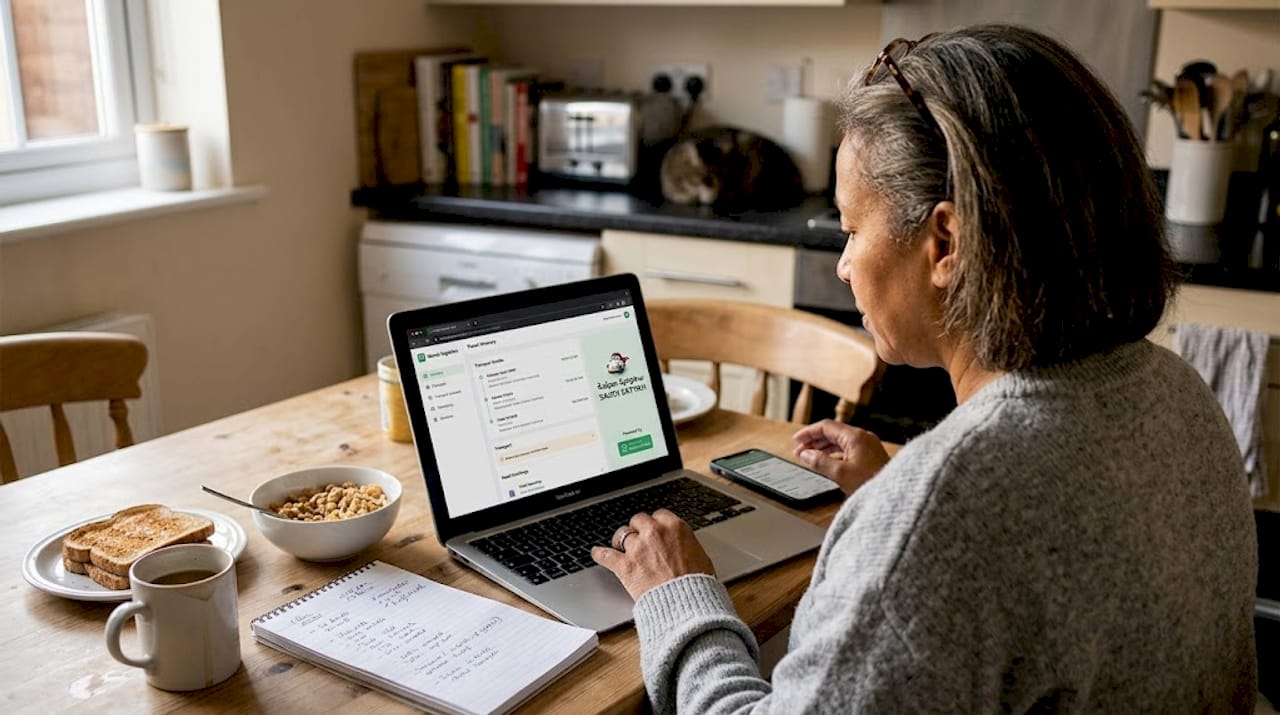
Saudi Arabia's Vision 2030 strategy pushed a digital-first approach across the entire pilgrimage system. E-visas, the Nusuk app, real-time transport tracking, and multi-modal infrastructure now give pilgrims tools that simply did not exist before. The result is that early planning and digital fluency are now non-negotiable logistics skills. They are not nice-to-haves.
For first-time Western pilgrims, this shift is genuinely good news. The system is more transparent than it has ever been. However, it rewards those who engage with it early. Pilgrims who wait until six weeks before departure to organize transport and permits consistently encounter sold-out hotels, limited vehicle options, and avoidable stress. The infrastructure is excellent. The only variable is how prepared you are to use it. Reviewing the Saudi tourism strategy helps contextualize how these digital tools fit into the broader travel system.
Reliable ground transport with Saudi Sayyah
For those looking to make logistics stress-free, here is how Saudi Sayyah helps you travel confidently on your Umrah journey.
Saudi Sayyah provides pre-booked ground transport for Western pilgrims, from airport pickups to inter-city routes and accessible vehicle options. Every booking includes driver photo, vehicle details, and real-time tracking before the trip starts.
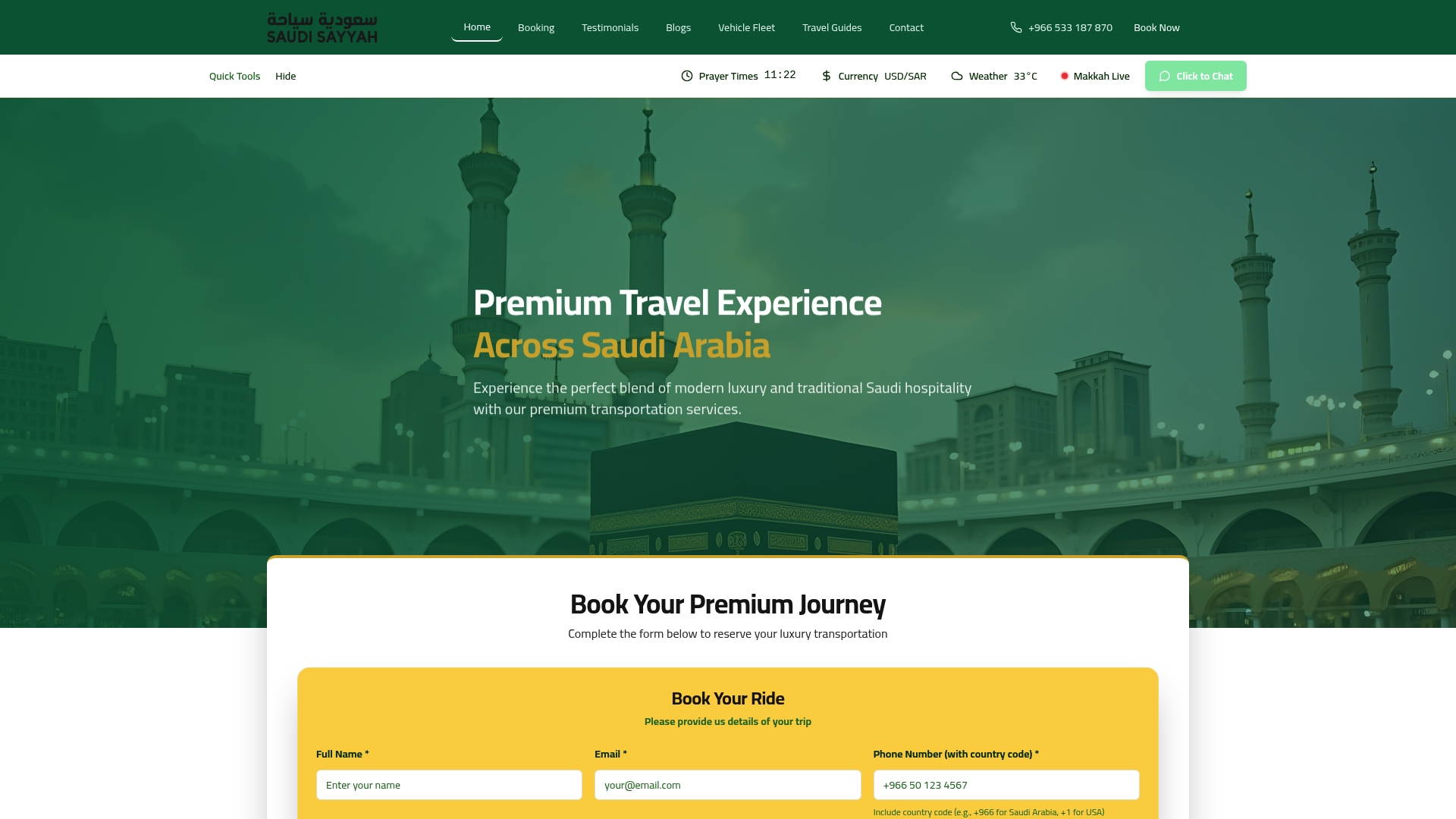
The fully automated booking system handles confirmation, communication, and scheduling without manual follow-up. Browse the full car hire service for options that match your group size and route. View latest-model premium vehicle options for families and accessibility requirements. For up-to-date travel conditions, check real-time Makkah updates before every trip.
Frequently asked questions
What should Western pilgrims prioritize for Umrah logistics?
Western pilgrims should focus on visa processing via the Nusuk app, pre-booking transport and accommodations, and planning around peak periods for the smoothest journey. Digital tools are now central to the official pilgrimage system and cannot be bypassed.
Which transport modes are safest and most reliable for Umrah?
The Haramain High-Speed Rail, official government shuttles, and pre-booked private taxis or agency vehicles are the most reliable and safe options. Pre-booking removes the risk of unavailability during peak periods.
How far in advance should Umrah logistics be planned?
Start planning at least 6 to 12 months before departure for best hotel, flight, and transport availability. Earlier planning directly correlates with fewer on-the-ground complications.
What are best practices for avoiding crowd delays?
Travel outside peak days, use official shuttles, and pre-book all transport to minimize delays during busy Ramadan and Hajj periods. Arriving early or late relative to Friday prayers and peak Ramadan nights also helps significantly.