
TL;DR:
- A successful pilgrimage balances spiritual purpose with careful logistical planning and preparation.
- Understanding your intent guides destination choice, timing, and daily pacing to ensure a meaningful experience.
A successful pilgrimage is defined by the balance between spiritual intention and practical preparation. Whether you are heading to Makkah for Umrah, walking the Camino de Santiago, or visiting any other sacred site, the logistics matter as much as the devotion. This pilgrimage trip planning guide covers destination selection, itinerary building, travel logistics, packing, and common pitfalls. Get these fundamentals right, and the experience becomes what it is meant to be: a focused, meaningful, and physically manageable sacred journey.
What is the best pilgrimage trip planning guide approach?
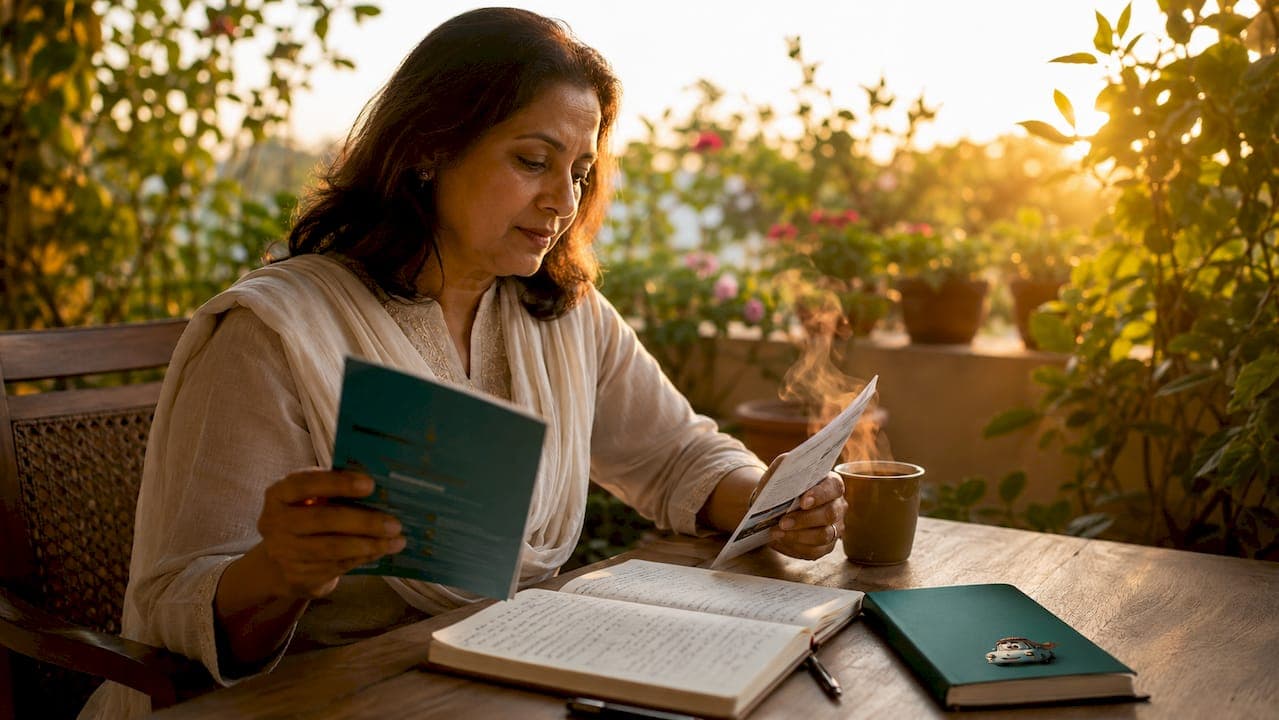
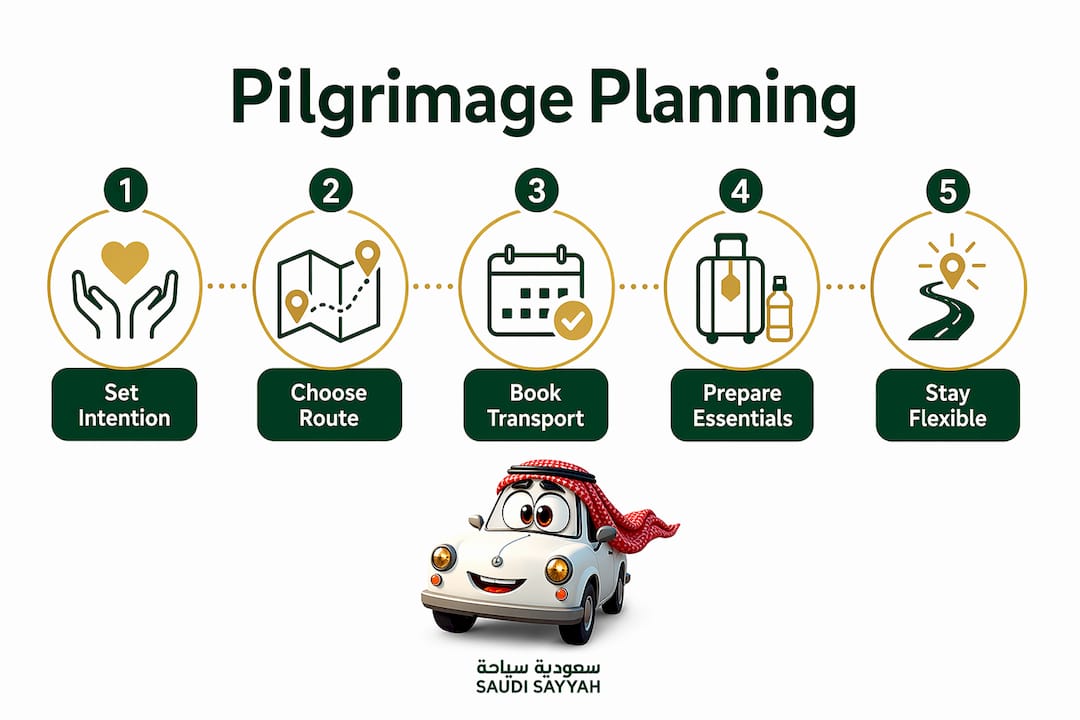
The first decision in planning a pilgrimage is not where to go. It is why you are going. Setting a clear intention separates a pilgrim from a tourist and shapes every practical choice that follows. Your destination, timing, and pace all flow from that single interior commitment.
Once your intention is clear, destination selection becomes straightforward. Pilgrimage sites range from urban centers like Makkah and Jerusalem to long-distance walking routes like the Camino de Santiago. Each type demands a different planning approach.
Choosing between walking and urban pilgrimage routes
The Camino de Santiago is the world's most popular pilgrimage. The Camino Francés route alone recorded over 219,785 pilgrims in 2023. That volume means crowded albergues, busy trail sections, and limited spontaneity in peak months. The Portuguese Way, by contrast, drew 88,717 pilgrims that same year. It offers the same spiritual destination with noticeably fewer crowds. For first-time pilgrims who want a quieter experience, the Portuguese Way is the stronger choice.
For urban pilgrimages like Umrah, timing is the single biggest cost and comfort variable. Ramadan requires 3–6 months of advance booking and carries the highest prices of the year. The months from Rabi al-Awwal through Jumada al-Thani offer lower prices and shorter wait times at sacred sites. Traveling outside peak periods is not a compromise on spiritual value. It is a practical decision that gives you more space and focus.
Pro Tip: Book Umrah travel outside Ramadan if this is your first time. Smaller crowds at the Masjid al-Haram allow for a calmer, more focused experience at the Kaaba and during Tawaf.
How do you build a realistic pilgrimage itinerary?
A pilgrimage itinerary fails when it prioritizes distance over experience. The goal is not to cover the most ground. The goal is to arrive at each stop present and ready to engage spiritually.
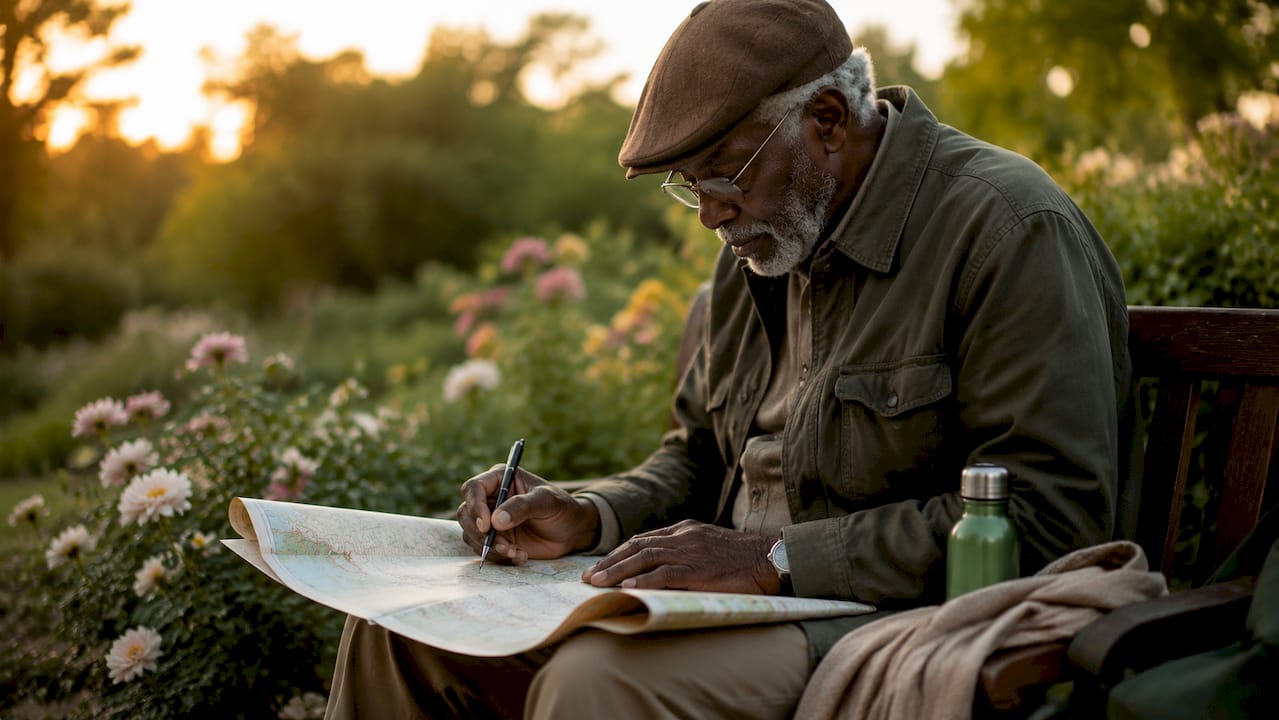
For walking pilgrims, conservative daily distances are the foundation of a good plan. Beginners on the Camino de Santiago should target 15–20 km per day to avoid burnout. Foot care starts on day one, not after the first blister appears. Overambitious daily targets are the leading cause of early dropouts on long-distance routes.
A practical itinerary structure for walking pilgrims looks like this:
- Days 1–3: Start at 15 km per day. Let your body adapt to the terrain and pack weight before increasing distance.
- Rest days: Schedule one rest day every 4–5 walking days. Use this time for reflection, laundry, and foot recovery.
- Key stops: Identify 3–5 spiritually significant waypoints along your route. Plan to arrive at each with enough time for prayer or quiet reflection, not just a photo.
- Final approach: Reduce daily distance in the last two days before your destination. Arrive rested, not depleted.
- Departure buffer: Build one full day after your main pilgrimage activities before your return flight. Rushed departures undermine the experience.
For urban pilgrimages, the itinerary structure is different. Prayer times anchor the day. Build your schedule around Fajr, Dhuhr, Asr, Maghrib, and Isha rather than tourist-style sightseeing blocks.
Pro Tip: Use the Nusuk app for Umrah permit management and prayer time tracking. It reduces logistical stress and keeps your schedule aligned with the spiritual rhythm of the holy sites.
What travel logistics do you need to sort before departure?
Logistics failures are the most common reason pilgrimages go wrong. Passport validity, visa requirements, transport bookings, and accommodation all need attention well before departure day.
Passport and visa requirements
Passports must be valid for at least 6 months beyond your return date for international pilgrimages. Many pilgrims overlook this and face denial at check-in. Register your trip with your country's embassy when traveling to sensitive regions. This step takes 10 minutes and provides consular support if anything goes wrong.
Transportation booking strategy
| Pilgrimage type | Booking timeline | Key priority |
|---|---|---|
| Umrah during Ramadan | 3–6 months ahead | Flights and hotel near Masjid al-Haram |
| Umrah off-peak | 4–6 weeks ahead | Flexible transport options |
| Camino de Santiago | 2–3 months ahead | First 3 nights only; stay flexible after |
| Other walking routes | 4–8 weeks ahead | Accommodation at key waypoints |
Walking pilgrims benefit from booking only the first three nights in advance and staying flexible after that. Urban pilgrims, particularly those heading to Makkah or Madinah, should lock in flights, ground transport, and hotels months ahead to avoid price spikes.
Accommodation options
Accommodation choices range from pilgrim hostels and shared albergues on walking routes to hotels adjacent to sacred sites in urban destinations. Proximity to the main site matters more than comfort level. A basic room 200 meters from the Masjid al-Haram is more valuable than a luxury hotel 2 km away. For Umrah transport within Saudi Arabia, Saudisayyah provides pre-booked pilgrimage transport with real-time driver tracking and fixed pricing, removing the uncertainty of arranging rides on arrival.
- Confirm accommodation cancellation policies before booking. Itineraries shift.
- For walking routes, download offline maps. Cell coverage on rural trails is unreliable.
- Keep digital and printed copies of all booking confirmations.
What to pack for pilgrimage: essentials only
Packing for a pilgrimage follows one rule: less is more. Most pilgrims should pack for 7 days and use laundromats along the way. Overpacking is the fastest route to sprains, tendonitis, and physical exhaustion on walking routes.
The core packing list for any pilgrimage:
- Footwear: Two pairs of broken-in walking shoes or sandals. Never wear new shoes on day one.
- Clothing: Lightweight, moisture-wicking layers. Modest dress appropriate for sacred sites.
- Spiritual items: Prayer beads, a small copy of your scripture or devotional text, a journal.
- Health kit: Blister pads, pain relief, any prescription medications, oral rehydration salts.
- Documents: Passport, visa, travel insurance, vaccination records if required.
- Electronics: Phone with offline maps downloaded, a portable charger, and universal adapter.
Physical preparation starts before you leave home. Walk 5–10 km daily for at least four weeks before a long-distance pilgrimage. Experts recommend beginning interior preparation at least 30 days before departure through prayer, meditation, or devotional reading. The body and the spirit both need conditioning.
Pro Tip: Pack a small dry bag inside your main pack. It protects documents and electronics during rain on outdoor routes and keeps your spiritual items separate and accessible.
What are the most common pilgrimage challenges and how do you avoid them?
Most pilgrimage problems are predictable. Knowing them in advance means you can plan around them rather than react to them mid-trip.
"Pilgrimage planning is not one-size-fits-all. Walking pilgrims benefit from spontaneity, while urban pilgrims should maximize early booking and digital management to reduce stress."
The most frequent challenges and their fixes:
- Crowd overload at peak sites: Experienced pilgrims at Makkah use upper floors of the Masjid al-Haram for prayer when ground-level areas are packed. The spiritual value is identical. The experience is calmer.
- Physical burnout: Over-planning daily distances is the primary cause. Stick to the 15–20 km daily cap on walking routes and build in rest days from the start.
- Currency and payment issues: Always withdraw in local currency at ATMs and decline the ATM's offer to convert for you. Dynamic currency conversion adds hidden fees that accumulate quickly over a multi-week trip.
- Lost or delayed bookings: Keep offline copies of every confirmation. Do not rely solely on email access in areas with poor connectivity.
- Spiritual disconnection: Over-scheduling sightseeing crowds out the quiet time that gives pilgrimage its meaning. Protect at least one hour of unstructured time each day.
Key Takeaways
A successful pilgrimage requires clear intention, conservative daily planning, and logistics locked in well before departure.
| Point | Details |
|---|---|
| Intention drives every decision | Define your spiritual purpose first; it shapes destination, timing, and pace. |
| Timing affects cost and crowds | Umrah outside Ramadan and Camino routes like the Portuguese Way offer quieter, cheaper alternatives. |
| Pack for 7 days only | Use laundromats to keep pack weight low and reduce injury risk on walking routes. |
| Book transport and hotels early | Urban pilgrims need 3–6 months lead time; walking pilgrims should book only the first 3 nights. |
| Protect daily quiet time | Over-scheduling is the most common way pilgrims lose the spiritual depth they came for. |
What I have learned from planning pilgrimages
The single biggest mistake I see pilgrims make is treating the trip like a checklist. They book the flights, confirm the hotel, download the app, and assume the spiritual experience will happen automatically. It rarely does without interior preparation.
The pilgrims who report the most meaningful experiences are the ones who started preparing inwardly weeks before they packed a bag. That means daily prayer, reading, or quiet reflection in the month before departure. The logistics matter, but they are the container, not the content.
The second lesson is about flexibility. A rigid itinerary is a liability on any sacred route. The most memorable moments on a pilgrimage tend to be unplanned: a conversation with a fellow traveler, an unexpected quiet moment at a sacred site, a rest stop that turns into an hour of genuine reflection. Build structure, then leave room for the unplanned.
Digital tools have genuinely improved the pilgrimage experience. Apps like Nusuk for Umrah permit management and offline mapping tools for walking routes reduce logistical anxiety and free up mental space for what matters. Use them without guilt. Technology and tradition are not in conflict here.
The last thing I would tell any first-time pilgrim: the journey will not look exactly like you imagined. That is not a failure. That is the point.
— Fa
Pilgrimage transport in Saudi Arabia, made straightforward
Arranging ground transport in Saudi Arabia is one of the most stressful parts of Umrah and Hajj logistics, especially for first-time visitors who are unfamiliar with local routes and pricing.
Saudisayyah handles pilgrimage car hire across Saudi Arabia with a fully automated booking system, fixed pricing, and real-time driver tracking sent directly to your phone before every trip. The fleet covers airport transfers, intercity routes between Makkah and Madinah, and local transport within the holy cities. Drivers are experienced with pilgrimage routes and schedules. For families and groups, Saudisayyah also offers group transport options sized for larger parties. Book in advance, confirm your route, and focus on the pilgrimage itself.
FAQ
What is the best time to plan an Umrah pilgrimage?
The months from Rabi al-Awwal through Jumada al-Thani offer the lowest prices and shortest wait times. Ramadan is the most spiritually significant period but requires 3–6 months advance booking and carries the highest costs.
How far should beginners walk per day on the Camino de Santiago?
Beginners should target 15–20 km per day to prevent burnout and injury. Starting conservatively and caring for your feet from day one significantly improves the chance of completing the route.
What documents do I need for an international pilgrimage?
Your passport must be valid for at least 6 months beyond your return date. Register your trip with your embassy when traveling to sensitive regions for consular support if needed.
How much should I pack for a pilgrimage?
Pack for 7 days only and plan to use laundromats along the way. Keeping pack weight low reduces the risk of sprains and tendonitis on walking routes.
How do I avoid overpaying at ATMs abroad during my pilgrimage?
Always select local currency when withdrawing cash. Declining the ATM's currency conversion offer avoids hidden fees that add up over a multi-week trip.