
TL;DR:
- Effective pilgrimage logistics begin with securing all documents and necessary vaccinations months before departure to avoid crises during travel. Coordinating transportation through a single operator, building time buffers, and creating detailed itineraries around fixed prayer times ensure smooth multi-city pilgrimages. Thorough planning minimizes logistical stress, allowing pilgrims to focus on worship and spiritual fulfillment.
Managing multi-city pilgrim trips means coordinating transportation, accommodation, scheduling, and personal preparedness across Makkah, Madinah, and other holy sites in Saudi Arabia. The industry term for this practice is pilgrimage logistics management, and it applies to every pilgrim who moves between two or more cities during Hajj or Umrah. Done right, it removes the friction between you and your worship. Done poorly, it turns a sacred trip into a series of stressful scrambles. This guide covers the exact steps, tools, and best practices that make the difference.
How to manage multi-city pilgrim trips: prerequisites and tools
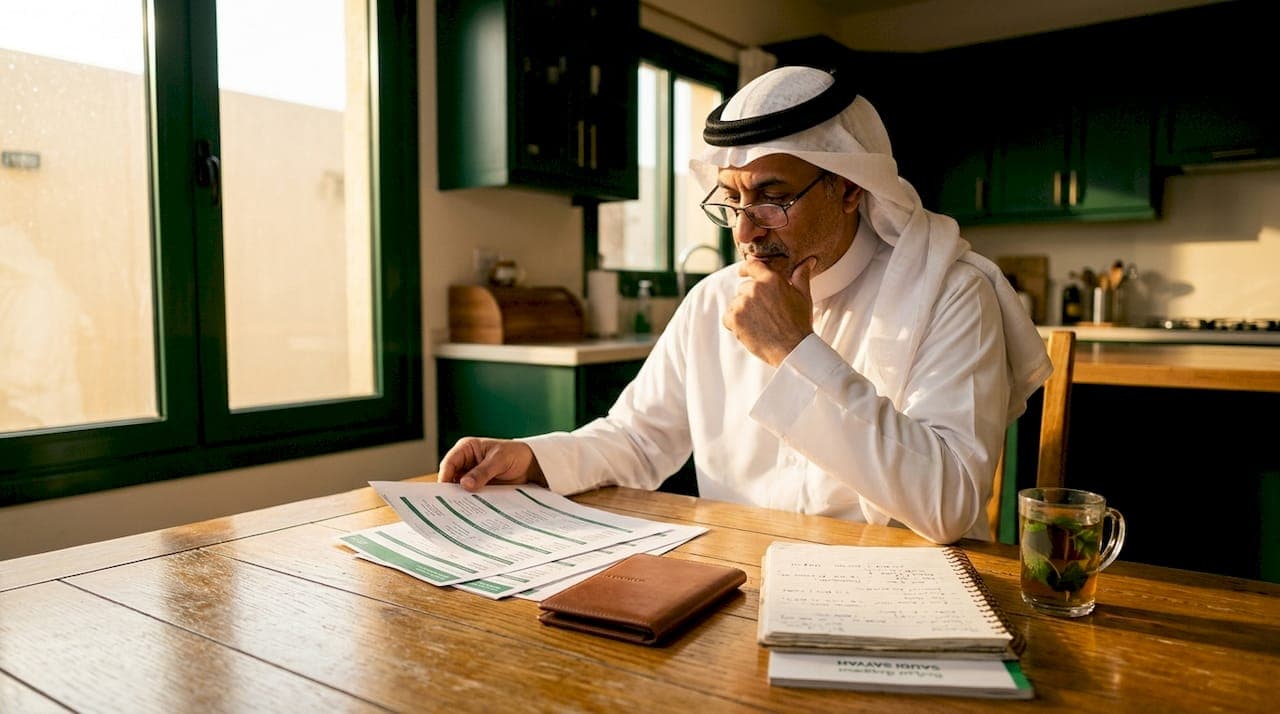
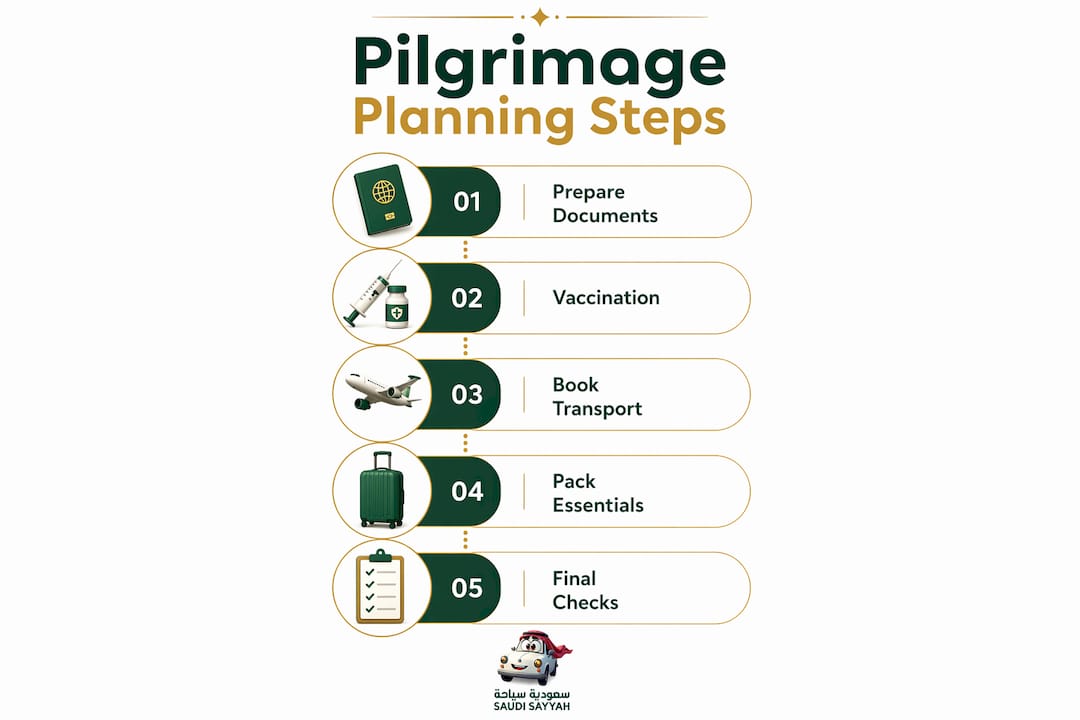
Effective pilgrimage logistics management starts months before you board a plane. The foundation is documentation. Visa confirmation and permits should be secured at least six months before departure, along with both digital and physical copies of every travel document. Losing a passport in Makkah during peak season is not a minor inconvenience. It is a trip-ending crisis.
Medical preparation is equally non-negotiable. The Meningococcal ACWY vaccination is mandatory for all pilgrims, with flu and pneumococcal immunizations strongly recommended. Saudi health authorities enforce these requirements at entry points, so late preparation creates real risk.
Physical readiness is the third pillar. Pilgrims should expect to walk 15 to 20 km on the busiest ritual days, in temperatures reaching 48°C. That means training for daily 10 km walks and spending time in heat before arrival, not after.
Essential tools for planning multi-city pilgrimages:
- Itinerary apps: Google Maps (offline mode), TripIt, or a dedicated Hajj/Umrah app for scheduling prayer times and transfers
- Document management: Google Drive or Dropbox for cloud-stored copies of passports, visas, and vaccination records
- Communication: WhatsApp groups for coordinating with your travel party and transport provider
- Offline maps: Download city maps for Makkah and Madinah before arrival since data connectivity is unreliable in crowded areas
| Planning Task | Recommended Timeline |
|---|---|
| Visa and permit confirmation | 6 months before departure |
| Vaccinations completed | 4 to 6 weeks before departure |
| Transport and accommodation booked | 2 to 3 months before departure |
| Physical training and heat acclimatization | 4 to 8 weeks before departure |
| Document backup (digital and physical) | 2 weeks before departure |
Pro Tip: Print two sets of all critical documents. Keep one set in your carry-on and one in your checked luggage. Store digital copies in two separate cloud accounts.
How to coordinate transportation across multiple cities
Transport coordination is where most multi-city pilgrim trips succeed or fail. Coordinating multiple local operators is the primary cause of travel failure on religious circuits. Each handoff between operators creates a gap where communication breaks down, vehicles fail to appear, or schedules collapse. The fix is straightforward: book the entire circuit through one professional operator.
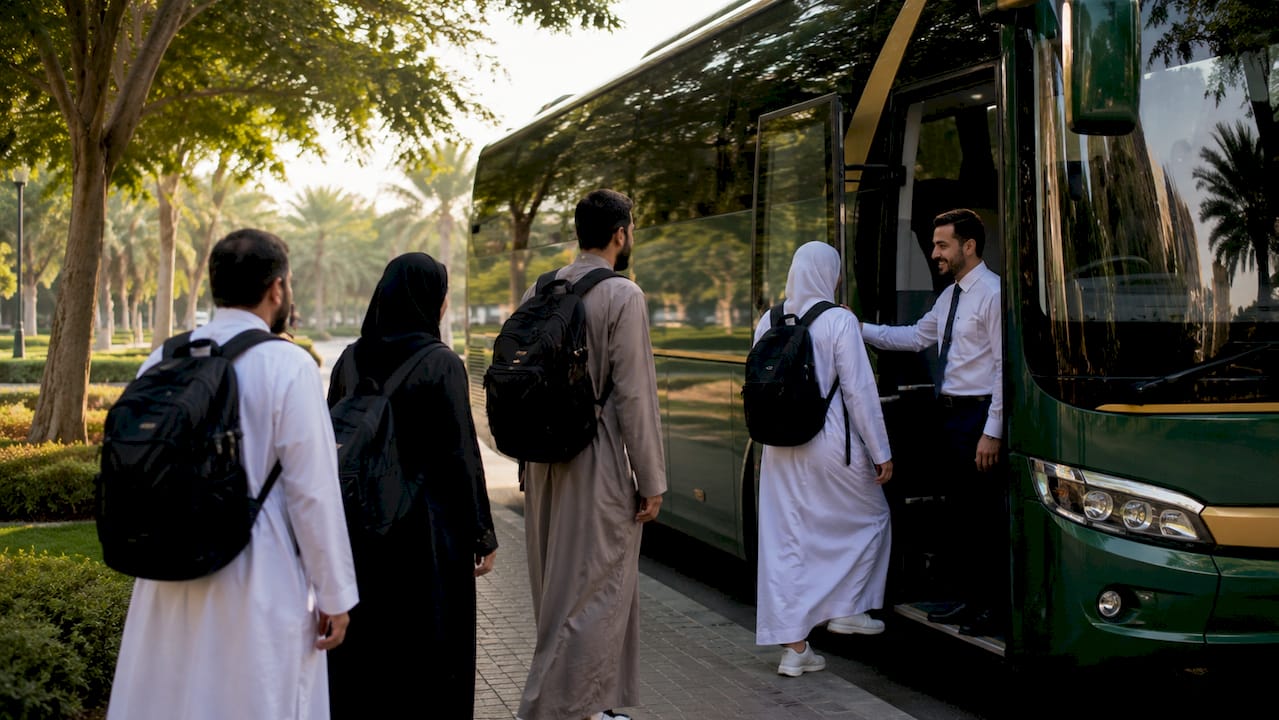
A single operator who knows your group's pace, size, and schedule reduces stress at every transfer point. This is not a luxury preference. It is a logistics decision that protects your itinerary. For efficient group transport across Makkah, Madinah, and Jeddah, one coordinated provider outperforms three separate local contacts every time.
Pre-booking is the second critical rule. Book transport 48 to 72 hours before each arrival point, not on the day. During peak Hajj and Umrah seasons, vehicle availability drops sharply within 24 hours of major travel dates. Arriving at King Abdulaziz International Airport without a confirmed pickup is a high-risk situation that pre-booking eliminates entirely.
The third rule is time buffering. Build a 20 to 25% time buffer into every intercity transfer. For a four-hour drive between Makkah and Madinah, plan five hours. That buffer absorbs traffic delays, prayer stops, and rest needs without breaking your schedule.
| Transport Option | Best For | Trade-offs |
|---|---|---|
| Private vehicle | Families, elderly pilgrims, flexible schedules | Higher cost, full schedule control |
| Shared transport | Solo pilgrims, budget-conscious groups | Fixed departure times, less flexibility |
| Luxury vehicle | Pilgrims with mobility needs or premium comfort | Premium pricing, maximum comfort and space |
Pro Tip: Request that your driver hold a name board at the airport arrival gate. This single detail eliminates the most common source of pickup confusion in crowded terminals.
How to build a daily itinerary that works for pilgrims
Structured scheduling of prayer times, transport, and activities is what separates a spiritually focused pilgrimage from a logistically exhausting one. The goal of your daily itinerary is to protect worship time by handling everything else in advance.
Build your schedule in this order:
- Map all five daily prayer times for each city and date. These are fixed anchors. All transport and activity windows fit around them, not the other way around.
- Block ritual obligations first. For Hajj, this means Tawaf, Sa'i, the stay at Mina, and the Day of Arafah. For Umrah, Tawaf and Sa'i are the core blocks. Mark these as immovable.
- Schedule intercity transfers in off-peak windows. Early morning departures (before 7 a.m.) and post-Isha travel avoid the worst congestion around the Haram and on the Makkah-Madinah highway.
- Add rest blocks of 90 minutes minimum after each major transfer. Heat and physical exertion accumulate quickly. Rest is not optional; it is what keeps you functional for the next day's obligations.
- Build group check-in times. If you are traveling with others, schedule a 10-minute daily sync to confirm the next day's plan. This prevents the confusion that builds when assumptions replace communication.
- Use digital reminders and a printed backup. Set phone alerts for prayer times and transport pickups. Carry a printed one-page daily schedule as a fallback when phone batteries die or connectivity fails.
Pro Tip: Use Google Calendar with offline access to build your full itinerary before departure. Color-code prayer times, transfers, and rest blocks so the day's structure is visible at a glance.
What challenges do pilgrims face on multi-city trips?
The four most common challenges in organizing religious travel across multiple Saudi cities are overcrowding, transport delays, document loss, and health emergencies. Each one is predictable. Each one has a standard prevention strategy.
Overcrowding peaks during Tawaf at the Masjid al-Haram and at the Jamarat Bridge in Mina. The practical response is timing. Performing Tawaf during late-night hours (after midnight) reduces crowd density significantly. Avoid the post-Fajr and post-Asr windows, which are the busiest.
Transport delays are best handled by the time buffer strategy described earlier. Beyond that, establish a predefined meeting point with your group at every city. If a vehicle is delayed or a member is separated, the meeting point eliminates the need for frantic phone coordination.
Document loss is prevented by the backup system: cloud storage plus two physical copies in separate bags. Add a photo of your passport and visa to your phone's camera roll as a third layer.
Health emergencies are the most serious risk. Temperatures between 42°C and 48°C create real heat stroke risk for unprepared pilgrims. Carry oral rehydration salts, a personal water bottle, and any prescription medications in your carry-on at all times. Know the location of the nearest medical tent at each site before you need it.
Patience (sabr) is the defining spiritual skill for managing intense pilgrimage environments. Pilgrims who practice patience report meaningful journeys even when logistics go wrong. A delay is not a failure. It is an opportunity.
Professional transport operators also improve crisis response. A driver who knows your schedule and has a direct communication line to your group coordinator resolves problems faster than any self-managed alternative.
What to pack for a multi-city pilgrimage in Saudi Arabia
Packing for multi-city travel in Saudi Arabia requires prioritizing function over volume. Every item you carry gets moved between hotels, buses, and ritual sites multiple times. Light and organized beats comprehensive and heavy.
- Ihram sets: Pack at least two complete sets. One in use, one clean and ready. For women, modest, loose-fitting clothing in breathable fabrics like cotton or linen.
- Medical kit: Blister treatment (moleskin pads and antiseptic), rehydration salts, paracetamol, antihistamines, and any personal prescription medications with a 20% surplus over expected need.
- Sun protection: SPF 50+ sunscreen, a wide-brim hat or umbrella, and UV-protective sunglasses. Reapply sunscreen every two hours during outdoor rituals.
- Daily carry bag: A small cross-body bag for your phone, water bottle, snacks, prayer beads, and one document copy. Keep this bag with you at all times during ritual activities.
- Footwear: Broken-in sandals or walking shoes with arch support. New footwear causes blisters within the first day of 15 km walks.
- Document copies: One physical copy in your daily bag, one in your main luggage, and one in cloud storage.
Pro Tip: Start walking 5 km daily at least six weeks before departure. Increase to 10 km in the final two weeks. Do at least two of those walks in midday heat to begin acclimatizing your body.
For pilgrims with mobility considerations, Saudisayyah provides accessible transport options specifically designed for the physical demands of multi-city pilgrimage routes.
Key takeaways
Successful multi-city pilgrimage logistics management requires confirmed documentation, a single transport operator, time-buffered scheduling, and physical preparation completed before departure.
| Point | Details |
|---|---|
| Secure documents early | Confirm visas and permits at least six months before departure and store copies in multiple formats. |
| Use one transport operator | Booking the full circuit through one provider eliminates the communication gaps that cause trip failures. |
| Buffer every transfer | Add 20 to 25% extra time to all intercity drives to absorb delays without breaking your schedule. |
| Prioritize prayer times | Build your daily itinerary around fixed prayer and ritual times, then fit transport and rest around them. |
| Prepare physically | Train for 10 to 15 km daily walks and acclimatize to heat at least four weeks before arrival. |
What thorough planning actually does for your pilgrimage
From what I have observed across hundreds of pilgrim itineraries, the pilgrims who struggle most are not the ones who face the hardest conditions. They are the ones who arrived underprepared and then spent their spiritual time solving logistical problems.
The conventional advice is to "plan ahead." That is not specific enough to be useful. What actually works is sequencing your preparation correctly. Documents first, transport second, health third, packing last. Most pilgrims do it in reverse, which means they are still chasing visa confirmations two weeks out while their physical conditioning has been ignored entirely.
The transport decision is the one I would push hardest. Splitting your circuit across multiple local operators to save money is a false economy. The cost of a missed transfer, a no-show driver, or a miscommunicated pickup time is measured in missed rituals and group stress, not just money. One operator, confirmed in advance, with a direct communication line, is worth the premium.
The other thing worth saying plainly: patience is not just a spiritual virtue on pilgrimage. It is a practical tool. Crowds at the Haram, delays on the Makkah-Madinah road, and long waits at Mina are not exceptions. They are the experience. Pilgrims who frame delays as part of the journey rather than failures of planning arrive home with a fundamentally different memory of what happened.
Plan thoroughly. Then let go of the plan when conditions require it.
— Fa
Plan your multi-city pilgrimage transport with Saudisayyah
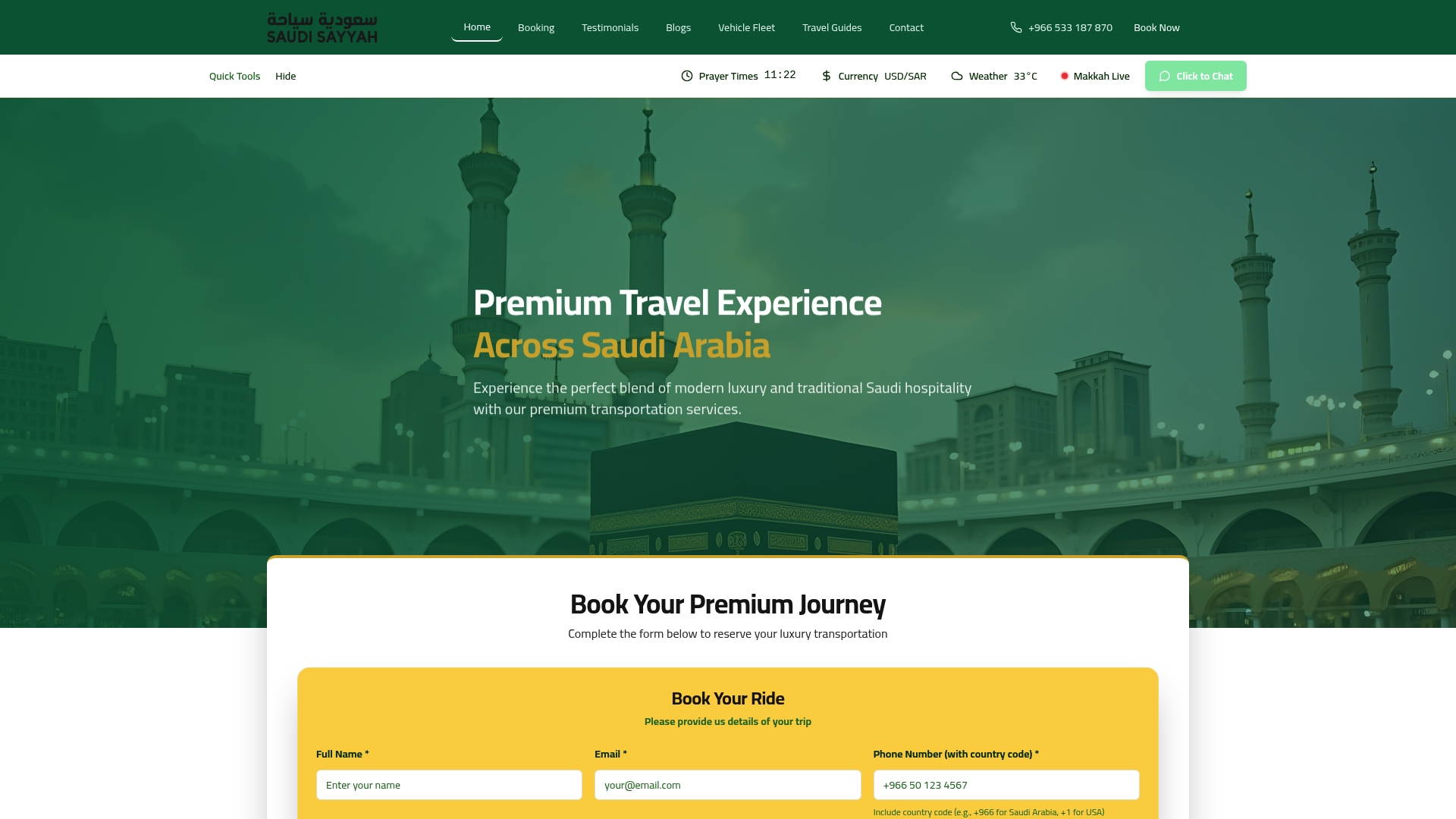
Saudisayyah operates pilgrim transport services across Makkah, Madinah, Jeddah, and Taif, covering the full multi-city circuit under one booking. The platform sends driver photos, vehicle details, and real-time GPS tracking before every pickup, so you always know exactly who is coming and when. The fleet includes private, shared, and premium vehicle options to match group size and budget. WhatsApp support runs 24 hours a day throughout your trip. Early booking is strongly recommended for Hajj 2026 and peak Umrah seasons, when vehicle availability tightens weeks in advance. Explore the full vehicle fleet options and confirm your circuit transport before availability closes.
FAQ
How far in advance should pilgrims book multi-city transport?
Book transport at least 48 to 72 hours before each arrival point, and confirm the full circuit two to three months before departure during peak Hajj and Umrah seasons. Availability drops sharply in the final weeks before major travel dates.
What is the best way to organize travel documents for a pilgrimage?
Keep two physical copies of all documents in separate bags and store digital copies in at least two cloud accounts such as Google Drive and Dropbox. Add a passport photo to your phone's camera roll as a third backup layer.
How do pilgrims handle health risks during multi-city trips in Saudi Arabia?
Pack oral rehydration salts, SPF 50+ sunscreen, blister treatment, and all prescription medications in your carry-on. Train for daily 10 km walks and begin heat acclimatization at least four weeks before arrival, given temperatures that regularly reach 48°C.
Is private transport better than shared transport for pilgrims?
Private transport gives full schedule control and is the better choice for families, elderly pilgrims, and groups with specific timing needs. Shared transport works well for solo pilgrims or small groups with flexible schedules and tighter budgets.
How do you keep a group together during a multi-city pilgrimage?
Designate a predefined meeting point at each city and hold a brief daily group sync to confirm the next day's schedule. Use a shared WhatsApp group for real-time coordination and carry printed itineraries as a backup when phone connectivity fails.