
TL;DR:
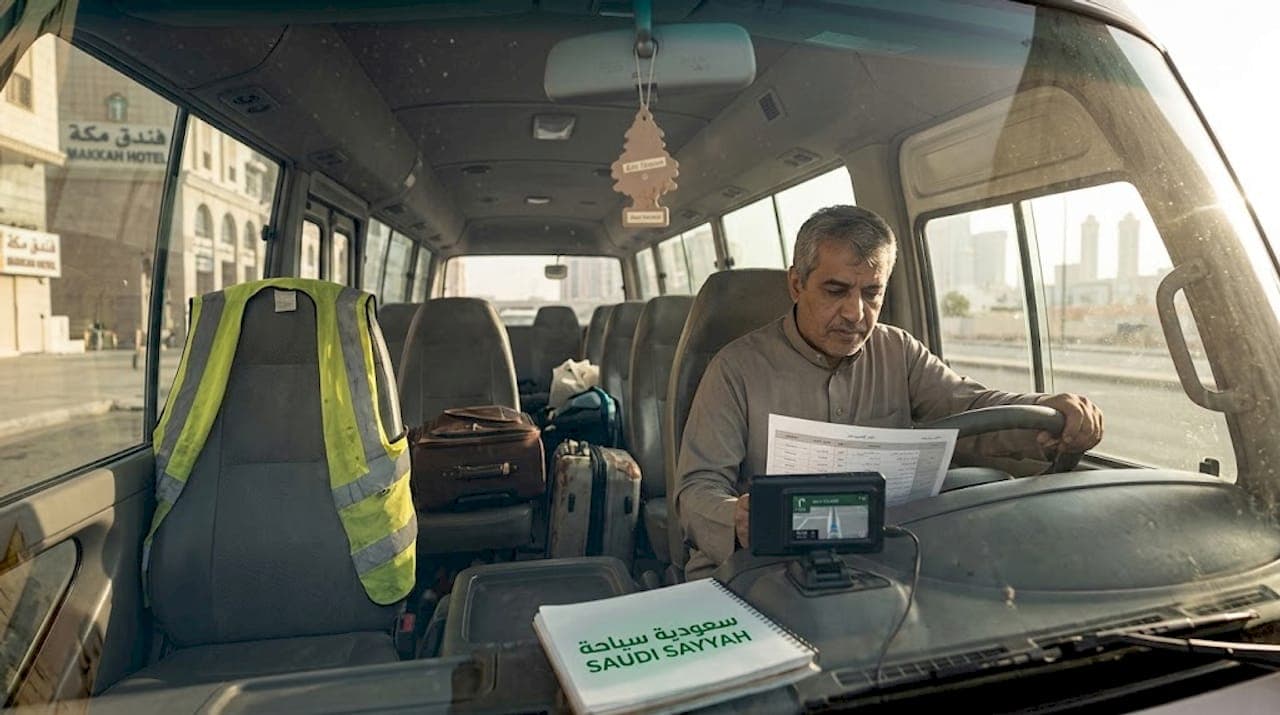
- Experienced drivers significantly reduce traffic safety risks during Umrah, especially in crowded or rural areas.
- Technology-enhanced transport services offer real-time tracking, AI routing, and safety records for passenger assurance.
- Combining skilled drivers with modern digital tools is essential for ensuring a safe and smooth pilgrimage journey.
Road safety during Umrah is a real concern that first-time pilgrims from Western countries rarely think about until it's too late. Young drivers under 30 carry significantly higher crash risk due to inexperience, a documented problem on Saudi Arabia's busy pilgrimage routes. Saudi Arabia's Vision 2030 reforms are actively addressing this, pushing for stricter driver standards across the transport sector. What follows covers how the combination of driver experience and modern technology works together to reduce your transport risk, eliminate surprises, and give you genuine peace of mind from the moment you land to the moment you arrive at the holy sites.
Table of Contents
- Why experience matters: Reducing risk in Umrah transportation
- How technology supports experienced drivers for peace of mind
- Best practices: Training, checks, and responding to peak challenges
- Experience vs. technology: Finding the right balance for your journey
- A seasoned traveler's take: What most guides get wrong about Umrah transport
- Travel with confidence: Your next step to a safe Umrah journey
- Frequently asked questions
Key Takeaways
| Point | Details |
|---|---|
| Experience reduces risks | Drivers with proven experience lower accident rates, especially during complex Umrah travel. |
| Technology boosts peace of mind | Apps and AI-powered systems complement experienced drivers for safer, more reliable journeys. |
| Best practices ensure safety | Professional training, checks, and tailored responses to crowds or unique needs are crucial for pilgrims. |
| Blended approach works best | Combining human expertise and technology offers the most reassurance for first-time Umrah travelers. |
Why experience matters: Reducing risk in Umrah transportation
Driver experience is not just a credential on paper. It is the deciding factor in how your driver responds when something unexpected happens on the road.
Umrah season brings unique pressure to Saudi roads. Traffic volumes surge dramatically around Makkah and Madinah. Crowds spill into roadways near the Masjid al-Haram. Night travel to rural prayer sites is common. These are conditions where a driver's years behind the wheel, not just their license, determine outcomes.
Research confirms this directly. Overall traffic fatalities dropped 23% in Saudi Arabia following policy changes that specifically targeted driver age and experience standards. That is not a coincidence. It reflects the measurable impact of putting more skilled drivers on the road. Separately, night and rural travel are identified as the highest-risk conditions, especially for drivers without sufficient field experience.
What does an experienced Umrah driver actually do differently? Several things:
- Anticipates crowd surges near holy sites and adjusts routes before bottlenecks form
- Manages fatigue over long-distance journeys between Makkah, Madinah, and Jeddah
- Communicates effectively with pilgrim passengers who may not speak Arabic
- Handles vehicle issues calmly without causing alarm or delay
- Knows alternative routes that keep you on schedule even during peak congestion
Vision 2030 transportation reforms specifically push for professional drivers for safe Umrah during pilgrimage seasons. Regulatory bodies now require documented experience records and commercial licensing for drivers operating pilgrim transport routes.
If you are traveling with a group, these factors multiply in importance. A single driver error affects everyone. Reviewing group Umrah travel tips before you book helps you ask the right questions when selecting your transport provider.
Pro Tip: Before confirming any booking, ask your transport provider for the driver's commercial license number and a record of pilgrimage season experience. Reputable services provide this without hesitation.
How technology supports experienced drivers for peace of mind
Beyond human expertise, technology is now transforming safe travel for Umrah in ways that directly benefit first-time pilgrims.
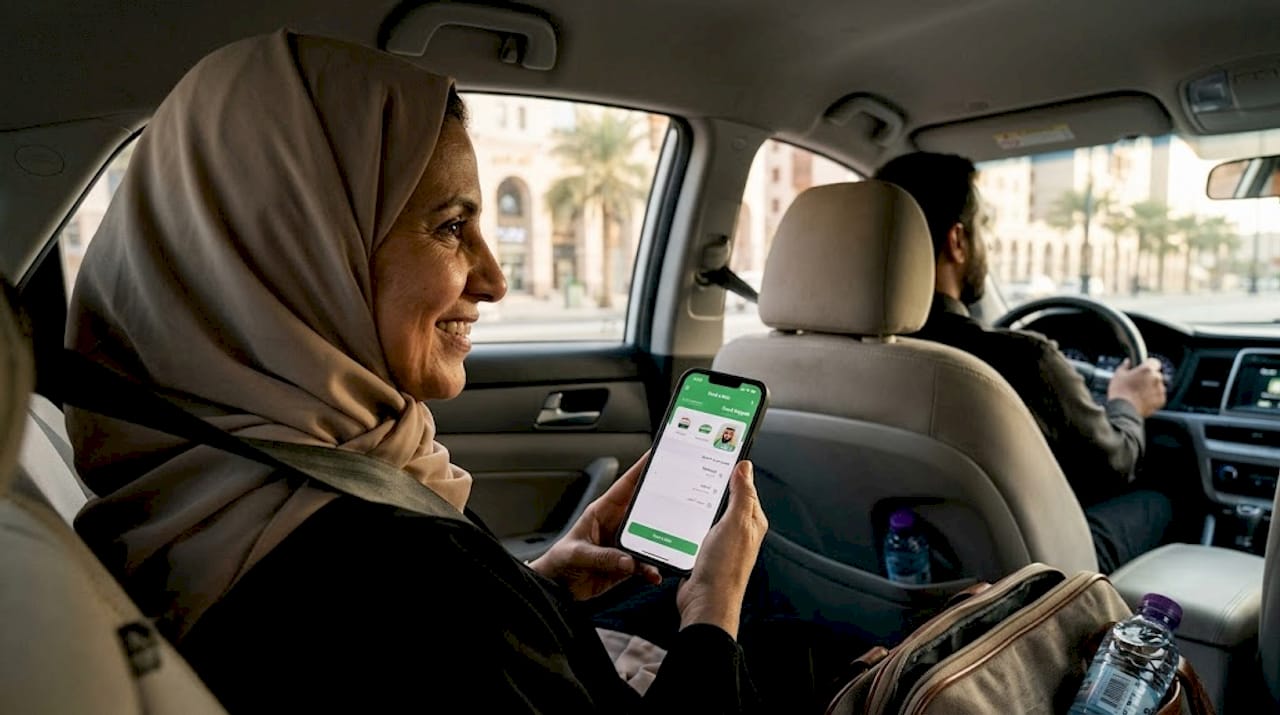
Even the most experienced driver cannot see a real-time accident three kilometers ahead. That is where technology steps in. Modern transport platforms layer digital tools on top of human skill to cover scenarios that experience alone cannot predict.
Tech services like real-time traffic and mobile apps complement driver knowledge, giving both drivers and passengers a level of situational awareness that was simply not available a decade ago. AI-powered routing systems, similar to AI-powered transport systems used in logistics networks globally, process thousands of data points per minute to find the safest and fastest path.
Here is what a first-time pilgrim can expect from a fully tech-enabled Umrah transport service:
- Booking confirmation with driver name, photo, and vehicle details sent immediately
- Pre-trip notification including real-time geolocation tracking activation
- Driver departure alert so you know exactly when your vehicle is en route
- Live route monitoring that adjusts for traffic or crowd conditions in real time
- Arrival confirmation with a digital record of your journey for safety logs
The table below shows how these features map to specific pilgrim concerns:
| Technology feature | Pilgrim concern addressed |
|---|---|
| Driver photo sent in advance | Verifying the right driver |
| Real-time GPS tracking | Knowing your exact location |
| AI route optimization | Avoiding delays and congestion |
| App-based communication | Language barrier reduction |
| Automated booking records | Dispute resolution and safety |
To fully understand what these platforms offer, reviewing luxury transport tech features gives a clear picture of current vehicle and platform standards. For a broader look at digital tools available to pilgrims, the travel app benefits guide breaks down each function clearly.
When you are ready to secure your rides, understanding the booking pilgrimage transport workflow helps you avoid common mistakes that first-timers make.
Pro Tip: Only use services that combine a licensed, experienced driver with a verified tech platform. One without the other leaves gaps in your safety coverage.
Best practices: Training, checks, and responding to peak challenges
Understanding tech is key, but the foundation of safe transport lies in proven industry practices.
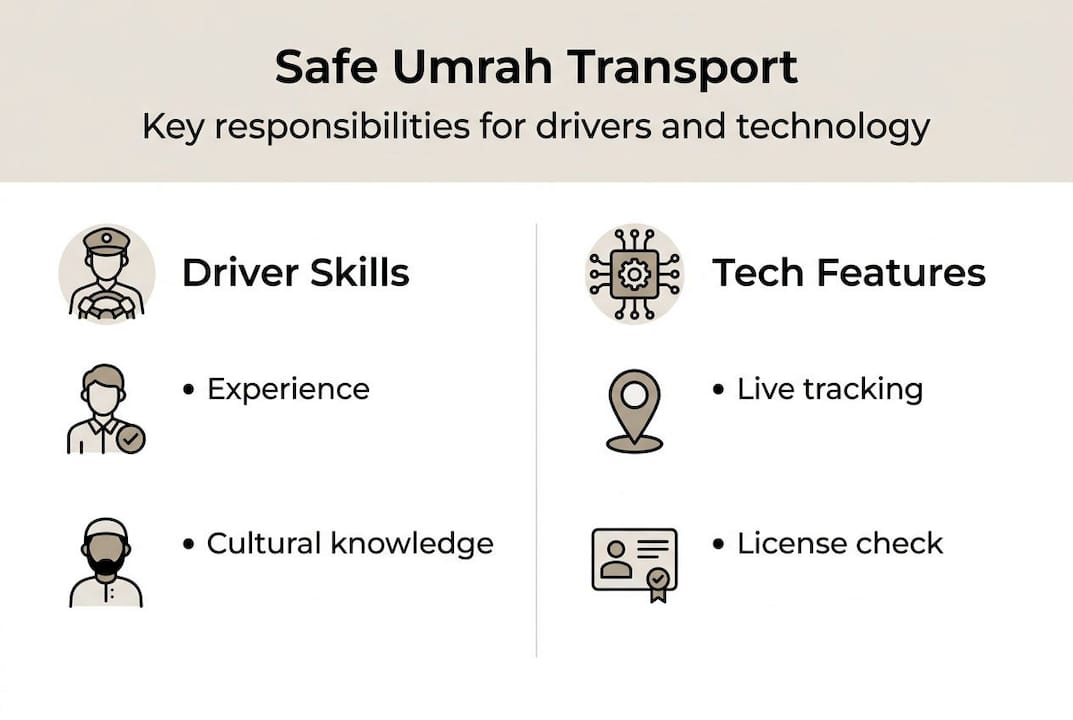
Background checks, professional training, and smart system integration are recognized as essential components of safe pilgrim transport operations, particularly during peak religious seasons where demand and pressure are highest.
Reputable transport providers operating during Umrah follow a structured vetting process. This typically includes:
- Criminal background screening before any driver is assigned pilgrim routes
- Commercial driving license verification with pilgrimage route endorsement
- Defensive driving training specific to high-density crowd scenarios
- Cultural sensitivity orientation for handling non-Arabic-speaking passengers
- Vehicle inspection protocols before each journey, not just at season start
Peak Umrah periods, particularly the days around Ramadan and the months of Dhul Hijjah, bring extreme crowd surges. Experienced services run scenario-based simulations with their drivers to prepare for these conditions. Ad-hoc taxis do not.
For specific passenger groups, the protocols go further. Elderly pilgrim transport requires vehicles with step-in accessibility, extended boarding time allowances, and drivers trained in basic mobility assistance. Night travel to rural sites like Muzdalifah or the tent city of Mina requires drivers who know these routes from actual seasonal experience, not just GPS.
The safety guide for Umrah outlines the full set of safety considerations pilgrims should review before departure. Cross-checking your chosen provider against transport driver best practices internationally gives useful context for what a professional standard actually looks like.
| Challenge | Experienced driver response | Inexperienced driver response |
|---|---|---|
| Sudden crowd surge | Pre-planned alternate route | Stops or reverses in congestion |
| Night rural travel | Familiar with site-specific roads | Relies solely on GPS |
| Elderly passenger needs | Knows protocols, assists calmly | Unaware of special requirements |
| Vehicle breakdown | Contacts support immediately | Passenger left without clear plan |
| Language barrier | Multilingual or app-assisted | Communication breakdown |
Experience vs. technology: Finding the right balance for your journey
With a foundation in best practices, let's compare experience and technology to empower your choice.
Human factors drive approximately 90% of severe accidents, which means no technology replaces the need for a skilled driver. But technology meaningfully reduces the reliance on any single driver's judgment in unpredictable situations. The right answer is not one or the other. It is both, working together.
"The safest journey is one where an experienced driver makes the core decisions, and technology fills every gap that human perception cannot cover in real time."
Motor vehicle crashes remain the top risk for international pilgrims, including those visiting Saudi Arabia for religious travel. Understanding this reality is the first step toward making an informed transport choice.
Here is a step-by-step approach to evaluating your Umrah transport options:
- Confirm driver credentials: Commercial license, pilgrim route endorsement, and seasonal experience record
- Check the tech platform: Does the service provide GPS tracking, driver details in advance, and app-based updates?
- Ask about peak protocols: How does the provider handle Ramadan or Hajj season crowd surges?
- Verify vehicle age and condition: Latest model year vehicles have better safety features and reliability
- Read verified reviews: Focus on reviews from Western pilgrims who describe the actual experience, not just ratings
For broader context on how Saudi Arabia is evolving its pilgrim-focused infrastructure, the Umrah tourism strategy guide is useful. And if you plan to navigate independently at any point, using mobile maps for Umrah covers the specific tools that work best in Saudi cities. Understanding risk management in transport more broadly also helps frame why layered safety systems always outperform single-point solutions.
A seasoned traveler's take: What most guides get wrong about Umrah transport
Most Umrah transport guides hand you a checklist. License. Verified company. Modern vehicle. Done. But that list misses what actually determines whether your journey feels safe and smooth.
The real differentiator is the driver's cultural and situational intelligence. Knowing when to skip a route that looks fine on GPS but floods with foot traffic at prayer time. Knowing how to reassure a first-timer from Manchester or Minneapolis who has never navigated a city like Makkah. Knowing when to wait five extra minutes rather than push through a crowd.
Western pilgrims often underestimate how much local, real-world knowledge matters in these conditions. Formal credentials are necessary but not sufficient. A driver with ten Umrah seasons of experience carries knowledge that no app replicates. That intuition, combined with solid tech tools, is what separates a genuinely safe journey from one that just happened to go fine.
Ask about professional driver wisdom before you book. It is the question most travelers forget to ask.
Travel with confidence: Your next step to a safe Umrah journey
Everything covered above points to one clear standard: experienced drivers, verified credentials, and a technology platform that keeps you informed at every step.
Saudi Sayyah delivers exactly that combination. Our explore transport services page shows the full range of pilgrim-focused options, from airport transfers to full itinerary coverage. Browse the premium Umrah vehicles in our fleet to see the latest model year vehicles equipped with advanced safety features. For real-time updates and on-the-ground support in Makkah, the Makkah live service keeps you connected throughout your journey. Booking takes minutes. Peace of mind lasts the entire trip.
Frequently asked questions
How do I know my Umrah driver is experienced and vetted?
Ask for proof of a valid commercial license and documented experience during religious travel seasons. Reputable services follow background checks and professional training as standard practice, not optional extras.
Are technology-powered services safer than regular taxis for Umrah?
Yes. Tech-enabled services with real-time tracking and AI route optimization add measurable safety layers that standard taxis simply do not offer.
What are the biggest transport risks for Umrah pilgrims?
Motor crashes are a primary risk for pilgrims, particularly during night travel and on routes outside major city centers, where inexperienced drivers are most likely to struggle.
How does technology help with Umrah transport?
Tech services support experienced drivers by providing live traffic data, AI routing, and real-time communication tools that reduce delays and help manage complex, crowded conditions safely.