
TL;DR:
- Travel comfort combines physical ease and mental calm during a trip, influenced by seating, environment, and service. Preparing properly, choosing the right accessories, and understanding travel mode help improve overall comfort and reduce stress. A holistic approach addressing all factors creates the most satisfying travel experience.
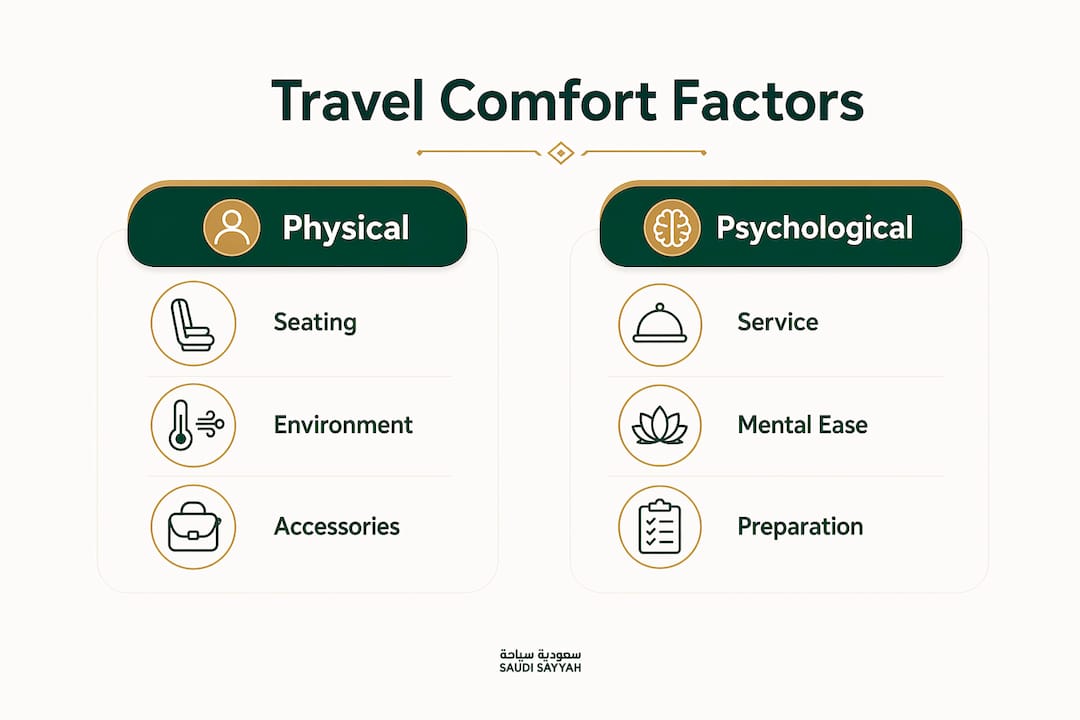
Travel comfort is defined as the combined physical and psychological ease a traveler experiences throughout a journey, shaped by seating quality, environmental conditions, and service delivery. Most travelers focus only on seat selection, but comfort is multidimensional, covering everything from cabin air quality to crew attentiveness. Getting this right matters because discomfort causes irritability and fatigue, while genuine ease makes travelers more relaxed, patient, and open to new experiences. This guide breaks down what is travel comfort, what drives it, and how to improve it across every mode of transport.
What is travel comfort and why does it matter?
Travel comfort is the measurable experience of physical ease and mental well-being during a trip. It is not a luxury reserved for business class. Every traveler, regardless of budget, benefits from understanding its core components.
Comfort positively correlates with traveler satisfaction and mood. That connection means a comfortable trip does not just feel better. It shapes how you remember the destination, how willing you are to travel again, and how effectively you function on arrival.
The importance of travel comfort grows with trip duration. A 20-minute taxi ride forgives a lot. A 14-hour flight or a multi-day road trip does not. Fatigue, dehydration, and physical strain compound over time, making early preparation the most effective strategy.
What are the main physical and environmental factors that affect comfort?
Physical and environmental conditions form the foundation of travel comfort. Without them, no amount of good service fully compensates.
Seating and body support
Ergonomic seating with adjustable support reduces fatigue and discomfort on long journeys. The key variables are seat cushioning, lumbar support, and legroom. Seats that force the spine into a fixed curve cause lower back pain within two to three hours. Adjustable headrests and recline angles allow travelers to shift position and distribute pressure across different muscle groups.
Environmental conditions
Temperature, air quality, and noise levels each affect how comfortable a traveler feels, often more than seat design alone. Airplane cabins typically maintain low humidity, which dries out nasal passages and skin. Ground vehicles face different challenges: road vibration, uneven suspension, and passenger crowding all contribute to physical strain.
The table below summarizes the primary physical comfort factors by category:
| Comfort Category | Key Factors | Common Problems |
|---|---|---|
| Seating | Cushioning, lumbar support, legroom | Back pain, pressure sores |
| Air quality | Humidity, ventilation, temperature | Dry skin, headaches, fatigue |
| Noise | Engine noise, passenger noise | Stress, poor sleep, exhaustion |
| Space | Seat pitch, aisle width | Restricted movement, swelling |
| Vibration | Suspension, road surface | Muscle tension, nausea |
In ground transportation, in-vehicle time, passenger crowding, and vehicle acceleration are the critical physical factors determining ride comfort. That finding explains why a short but crowded bus ride can feel worse than a longer trip in a well-spaced vehicle.
Pro Tip: Request a window seat on long flights. It gives you a surface to lean against, reduces disturbance from aisle traffic, and lets you control your light exposure for better sleep.
How do personal preparation and accessories improve comfort on long trips?
Personal preparation is the highest-return investment in travel comfort. Travelers who prepare before boarding consistently report less fatigue and better mood on arrival.
Clothing choices
- Wear breathable, loose-fitting fabrics. Layering accounts for changing cabin temperatures and prevents both overheating and chills. Natural fibers like cotton and merino wool regulate body temperature better than synthetic blends.
- Avoid tight waistbands and restrictive footwear. Sitting for hours causes the body to swell slightly, particularly in the feet and ankles. Clothes that fit well on the ground can feel constricting at altitude or after hours in a car.
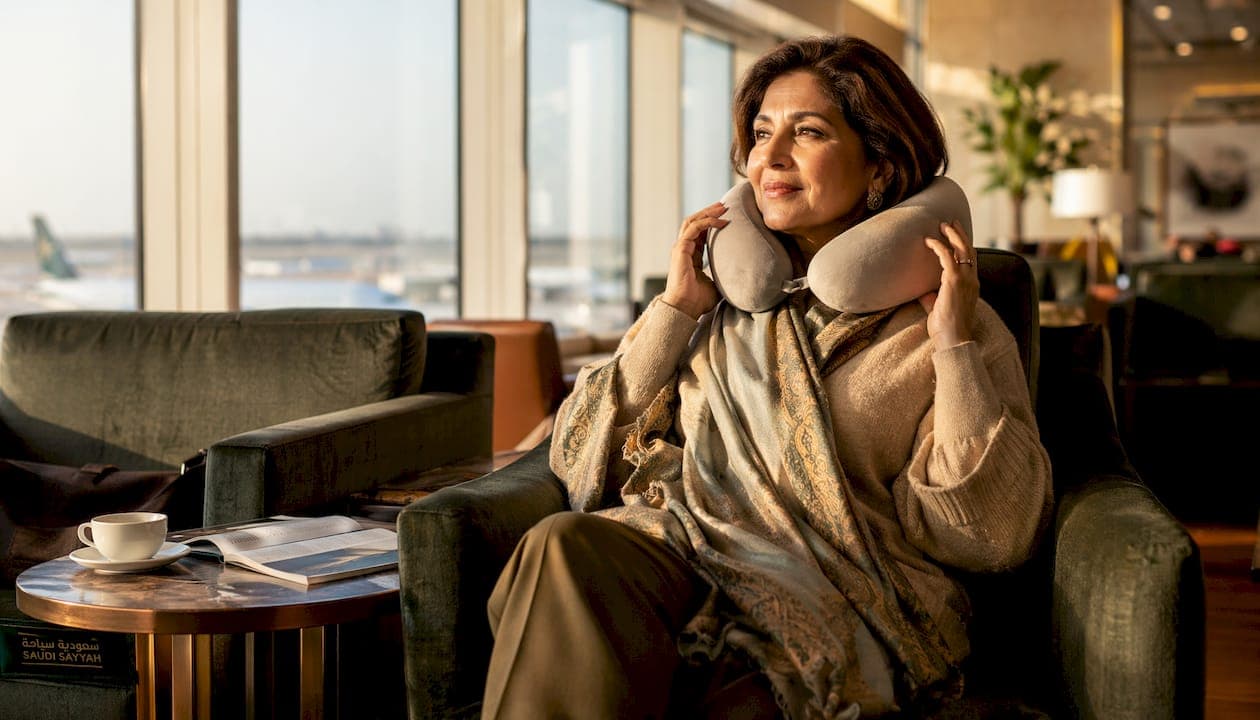
- Pack a light layer in your carry-on. Cabin temperatures vary by airline, route, and time of day. A compact fleece or pashmina weighs almost nothing and prevents the discomfort of sitting cold for hours.
Hydration and nutrition
Consistent hydration maintains energy and reduces fatigue and headaches, especially in dry airplane cabins. Aim for water rather than alcohol or caffeine, both of which accelerate dehydration. Bring a refillable bottle and fill it after security.
Eat light before and during long trips. Heavy meals slow digestion and increase the likelihood of bloating, which worsens physical discomfort in confined seating.
Travel accessories that make a real difference
- Neck pillow: A U-shaped memory foam pillow supports the cervical spine and prevents the head-drop that causes neck pain during sleep.
- Noise-canceling headphones: These reduce ambient noise, improve rest quality, and cut the low-grade exhaustion that constant engine sound produces.
- Compression socks: Wearing compression socks on long flights supports circulation, reduces swelling, and lowers the risk of deep vein thrombosis. Medical professionals recommend them for any flight over four hours.
- Eye mask and earplugs: These cost almost nothing and block the two biggest disruptors of in-transit sleep: light and noise.
Pro Tip: Set a hydration reminder on your phone every 60–90 minutes during flights. Cabin air is drier than most deserts, and thirst signals arrive late.
What psychological and service-related factors shape a comfortable trip?
Physical comfort sets the floor. Service quality and mental ease determine the ceiling.
Service experiences, including food, beverage, crew attentiveness, and in-flight entertainment, have the greatest impact on overall passenger comfort, more than physical facilities or environment. That finding surprises most travelers, who assume seat width is the dominant variable. A cramped seat with excellent service consistently outperforms a wide seat with indifferent staff.
The psychological dimension of comfort includes:
- Predictability: Knowing the schedule, understanding the route, and receiving timely updates reduce anxiety significantly.
- Privacy: Even a small degree of personal space, such as a window seat or a privacy screen, improves the sense of control.
- Entertainment: Access to films, music, or podcasts shortens perceived travel time and reduces boredom-related stress.
- Crew responsiveness: Prompt attention to requests signals that the traveler's needs matter, which reduces tension even before a request is fulfilled.
Predictability, such as timely arrival and secure luggage handling, improves mental comfort by reducing anxiety. This is why travelers consistently rate reliable transport services higher than faster but unpredictable ones.
"Comfort is a holistic experience, combining physical seating, environmental conditions, and high-quality service to maintain traveler well-being. No single factor dominates. All three must work together."
Mental comfort and physical ease reinforce each other. A traveler who feels anxious tenses muscles, breathes shallowly, and perceives physical discomfort more acutely. Reducing stress through good service and clear communication directly improves how the body feels.
How does travel mode affect comfort needs?
Comfort factors shift significantly depending on whether you are flying, driving, taking a train, or riding a bus. Each mode creates distinct challenges.
Air travel
Air travel combines the longest durations with the most constrained environments. Low cabin humidity, fixed seating, engine noise, and altitude-related pressure changes all work against comfort. The transport comfort for first-time Umrah travelers guide notes that preparation before boarding, not upgrades, delivers the biggest comfort gains for most travelers.
Road travel
Road travel offers more personalization but introduces vibration, crowding, and variable road conditions. Suspension quality matters enormously on longer routes. Travelers in private vehicles can control temperature, music, and stops. Those in shared transport depend entirely on the operator's standards.
Rail and bus travel
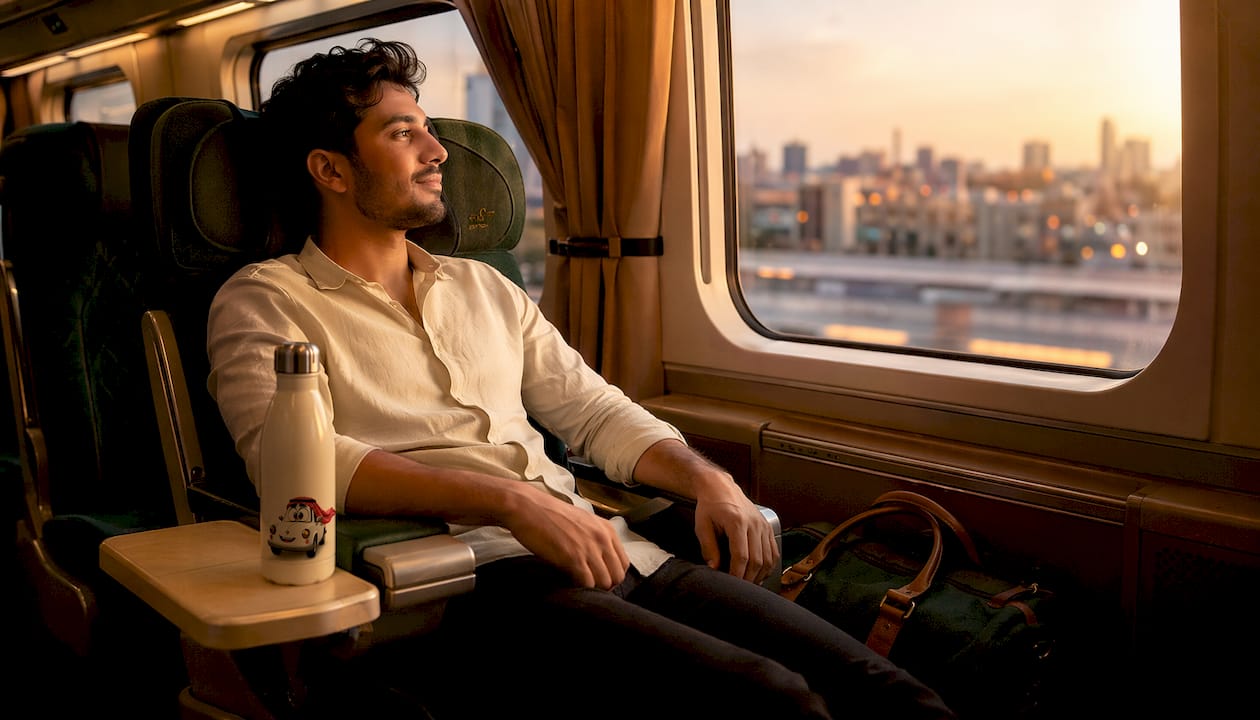
Rail travel generally offers more legroom and smoother motion than road or air. Bus travel varies widely: long-distance coaches with reclining seats and climate control differ completely from urban transit. The key comfort variables for both are seat design, space per passenger, and service frequency.
| Travel Mode | Main Comfort Challenges | Best Mitigation |
|---|---|---|
| Air | Dryness, noise, confined seating | Hydration, noise-canceling headphones, compression socks |
| Road | Vibration, crowding, variable stops | Quality suspension, personal vehicle control |
| Rail | Seat design, limited dining | Bring food, choose reserved seating |
| Bus | Space, noise, long durations | Neck pillow, eye mask, layered clothing |
For travelers with specific mobility or health needs, transportation options for elderly travelers provide a useful framework for evaluating ground transport comfort across different service levels.
Cruise travel presents a different set of variables entirely. Cruise cabin selection affects air quality, temperature control, and noise exposure in ways that parallel aircraft cabin design, making cabin choice as important as any accessory.
What I've learned about making travel genuinely comfortable
Travel comfort is not about spending more. It is about spending attention in the right places.
After years of long-haul travel, the single biggest return comes from clothing and hydration. Travelers who board in stiff jeans and skip water for the first three hours arrive exhausted regardless of seat class. Those who dress practically and hydrate consistently arrive functional.
The second lesson is that service quality matters more than most travelers expect. A driver who communicates clearly, a crew member who checks in proactively, or a booking system that eliminates uncertainty all reduce the mental load of travel. That mental relief translates directly into physical ease.
The third lesson is movement. On any trip over two hours, standing, stretching, or walking for five minutes every hour prevents the muscle stiffness that compounds into real pain. Most travelers skip this because it feels unnecessary until it is too late.
Adapt your strategy to the mode and duration. A two-hour flight needs hydration and a neck pillow. A 12-hour road trip needs planned rest stops, compression socks, and layered clothing. Matching preparation to the specific trip is more effective than any single product or upgrade.
— Fa
Comfortable travel in Saudi Arabia with Saudisayyah
Travelers visiting Saudi Arabia, particularly those making religious pilgrimages, face unique comfort demands: long distances, heat, and the physical toll of spiritual obligations.
Saudisayyah addresses these needs directly. The fleet comprises late-model vehicles with climate control, ergonomic seating, and suspension systems built for Saudi road conditions. Every booking includes real-time driver tracking, vehicle details sent in advance, and direct communication throughout the trip. That predictability removes the anxiety that undermines comfort before the vehicle even arrives. Travelers can book car hire services or view the full fleet to find the right vehicle for their route and group size.
Key takeaways
Travel comfort requires managing physical, environmental, and psychological factors together. No single upgrade replaces a comprehensive approach.
| Point | Details |
|---|---|
| Comfort is multidimensional | Physical seating, air quality, service, and mental ease all contribute equally to comfort. |
| Service outweighs environment | Research shows crew service and entertainment impact comfort more than seat design alone. |
| Hydration and clothing first | Consistent water intake and breathable layered clothing deliver the highest return per effort. |
| Predictability reduces stress | Reliable schedules and clear communication lower anxiety and improve physical comfort. |
| Mode shapes your strategy | Air, road, rail, and bus each require different preparation and accessory priorities. |
FAQ
What is travel comfort in simple terms?
Travel comfort is the physical ease and mental calm a traveler experiences during a trip. It depends on seating quality, environmental conditions, service, and personal preparation.
What are the most important travel comfort essentials to pack?
Noise-canceling headphones, a neck pillow, compression socks, and a refillable water bottle address the four biggest sources of in-transit discomfort: noise, neck strain, circulation, and dehydration.
Does service quality really matter more than seat quality?
Research on aircraft cabin comfort confirms that service factors, including crew attentiveness and entertainment, have a greater impact on passenger comfort than physical facilities alone.
How do I improve comfort on a long road trip?
Plan movement breaks every 60–90 minutes, wear loose clothing, maintain hydration, and choose a vehicle with good suspension and climate control. Compression socks help on trips over four hours.
Why does predictability affect travel comfort?
Uncertainty triggers anxiety, which increases muscle tension and perceived physical discomfort. Knowing your schedule, driver, and route in advance reduces that mental load and makes the physical experience feel easier.