
TL;DR:
- Safe pilgrimage combines health preparation, cultural respect, and reliable logistics to protect participants. It emphasizes physical readiness, respectful behavior, and technological tools to enhance safety during travel. Practicing ongoing awareness and responsibility deepens spiritual experience and preserves sacred sites for future pilgrims.
Safe pilgrimage is defined as travel that protects a pilgrim's physical health, honors the sacred significance of holy sites, and follows established safety protocols throughout the journey. What is safe pilgrimage in practice? It combines medical preparation, cultural respect, logistical planning, and increasingly, the principles of sustainable and regenerative pilgrimage. Organizations including Saudi health authorities and pilgrimage safety experts have developed detailed guidelines to address these needs. Digital tracking tools and specialized transport services now form a core part of how pilgrims travel securely to Mecca, Medina, and other sacred destinations.
What are the essential health and safety protocols for a safe pilgrimage?
Physical preparation is the foundation of any safe pilgrimage. Pilgrims walking up to 25 kilometers daily during Hajj face serious heat and fatigue risks. Saudi authorities address this directly with a 45-page safety kit that covers aerobic exercise routines and heat management strategies pilgrims should start weeks before departure.
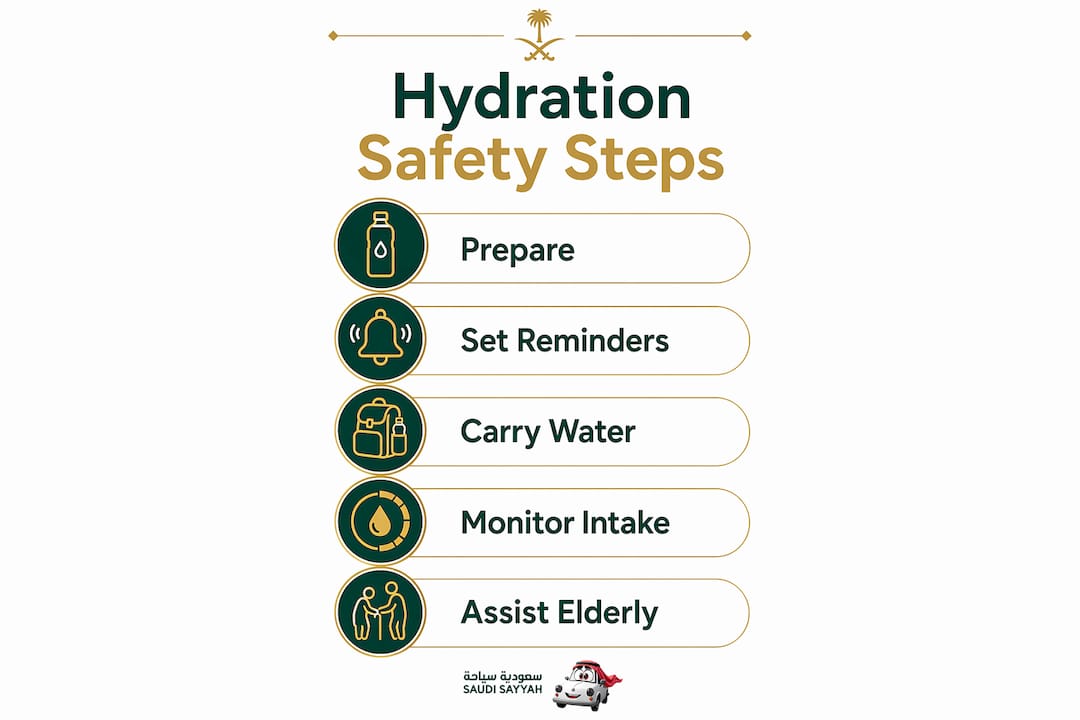
Hydration is not optional. The heat in Mecca and Medina during peak pilgrimage seasons reaches dangerous levels. Pilgrims must drink water consistently throughout the day, not only when thirsty. Wearing light, breathable clothing and scheduling physically demanding rituals for cooler morning hours reduces the risk of heat exhaustion significantly.
Infection control is equally critical. Respiratory infections like Hajj flu spread rapidly in crowded pilgrimage conditions. Wearing face masks in dense crowds and practicing frequent hand washing or using hand sanitizer are the two most effective barriers against transmission. Pilgrims should also verify vaccination requirements with their home country's health authority before traveling.
Key health protocols every pilgrim should follow:
- Complete required vaccinations, including meningitis and influenza, well before departure
- Pack a personal first aid kit with blister care, oral rehydration salts, and any prescription medications
- Wear comfortable, broken-in footwear to prevent foot injuries on long walking routes
- Monitor your physical condition daily and rest before symptoms worsen
- Carry a copy of your medical history and emergency contacts in your native language and Arabic
Pro Tip: Set a phone alarm every 30 minutes as a hydration reminder during outdoor rituals. Elderly pilgrims in particular may not sense thirst reliably, so scheduled sips matter more than waiting to feel thirsty.
How does respecting cultural and religious norms contribute to pilgrimage safety?
Religious sensitivity means recognizing and actively honoring the sacred significance of pilgrimage sites. This goes beyond basic etiquette. When pilgrims understand the symbolic structure of a sacred space, they behave in ways that preserve spiritual integrity and maintain community trust. That trust directly reduces conflict and keeps the environment safe for everyone present.
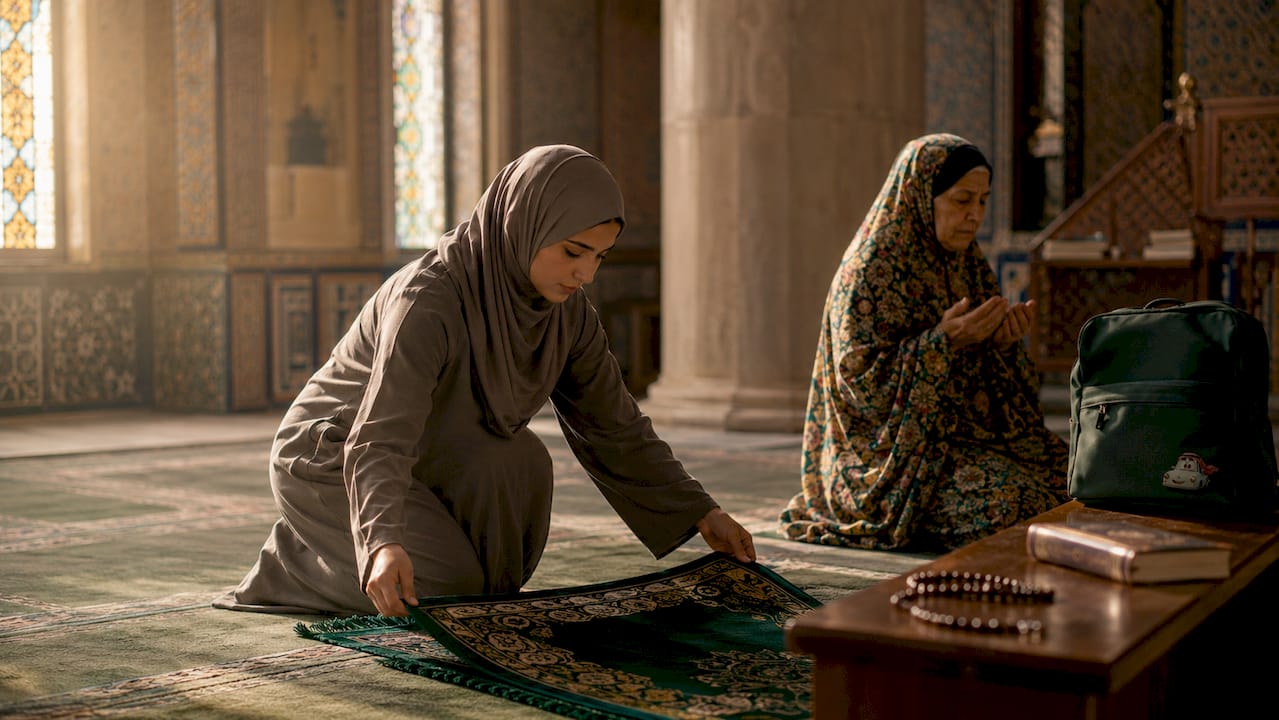
Respectful behavior also protects the pilgrim. Pilgrims who dress appropriately, follow site-specific rituals correctly, and observe silence in designated areas avoid confrontations with local authorities and other worshippers. Religious communities manage pilgrimage sites most effectively when visitors participate in, rather than disrupt, the established order.
The concept of regenerative pilgrimage takes this further. It redefines the pilgrim's role from passive visitor to active contributor. Regenerative pilgrimage includes ecosystem restoration, reciprocity with local communities, and context-based action that benefits both the site and the traveler.
Practical ways to practice cultural respect and regenerative principles:
- Follow dress codes specific to each holy site without exception
- Avoid photographing worshippers or sacred rituals without explicit permission
- Purchase goods and services from local vendors to support the host community
- Participate in site-sanctioned cleanup or restoration activities when available
- Learn basic greetings and phrases in Arabic to show respect for the local culture
"Regenerative pilgrimage redefines the experience as a reciprocal relationship with the land and community, enhancing both the traveler's spiritual experience and the destination's restoration." — Pilgrimaps
What is sustainable pilgrimage in this context? It is the commitment to leaving a sacred site in better condition than you found it, spiritually and physically.
What are the differences in safety considerations between solo and group pilgrimages?
Solo and group pilgrimages carry distinct risks. Understanding those differences helps pilgrims choose the right approach and prepare accordingly.
Solo pilgrims face navigation challenges, personal security risks, and limited support if a health issue arises. Timing travel to avoid peak crowd periods and using reliable transport are the two most effective strategies for solo pilgrims. Carrying a charged mobile phone, a physical map of key sites, and emergency contact cards in both English and Arabic reduces vulnerability significantly. Solo pilgrims also benefit from registering their travel plans with their country's embassy in Saudi Arabia.
Group pilgrimages offer shared logistics and built-in support networks. Organized groups benefit from coordinated transport, group leaders who know the rituals, and faster emergency response. However, group travel introduces its own risks. Crowd surges during peak ritual times, logistical delays, and the difficulty of keeping large groups together in dense areas all require active management. Well-planned group pilgrimages with reliable transportation reduce the risk of injuries and confusion during crowded rituals. Organized fleet services contribute directly to logistical smoothness and pilgrim safety.
| Factor | Solo pilgrim | Group pilgrim |
|---|---|---|
| Navigation | High personal responsibility | Group leader manages routes |
| Health monitoring | Self-managed | Shared responsibility |
| Transport reliability | Must arrange independently | Coordinated by organizer |
| Crowd surge risk | Harder to exit quickly | Group protocols help |
| Emergency response | Slower without contacts | Faster with group support |
| Flexibility | High | Low |
Transportation safety applies to both types. Verified, licensed vehicles with real-time tracking reduce risk for solo and group pilgrims alike. Pilgrims should confirm driver credentials and vehicle details before every transfer, particularly in unfamiliar cities.
What practical strategies and technologies can enhance safe pilgrimage travel?
Digital tools and tracking systems improve safety by enabling communication, navigation, and emergency response for pilgrims. Mobile apps that display prayer schedules, crowd density maps, and emergency contact numbers give pilgrims real-time information to make safer decisions. Platforms that send driver photos, vehicle details, and live location data before each transfer eliminate one of the most common sources of anxiety for first-time pilgrims.
Timing is a strategy, not just a convenience. Planning rituals around off-peak hours reduces exposure to dangerous crowd densities. Pilgrims who schedule the Tawaf (circumambulation of the Kaaba) during late night or early morning hours consistently report lower physical strain and safer conditions. Coordinating with a transport service that understands pilgrimage schedules makes this kind of timing practical.
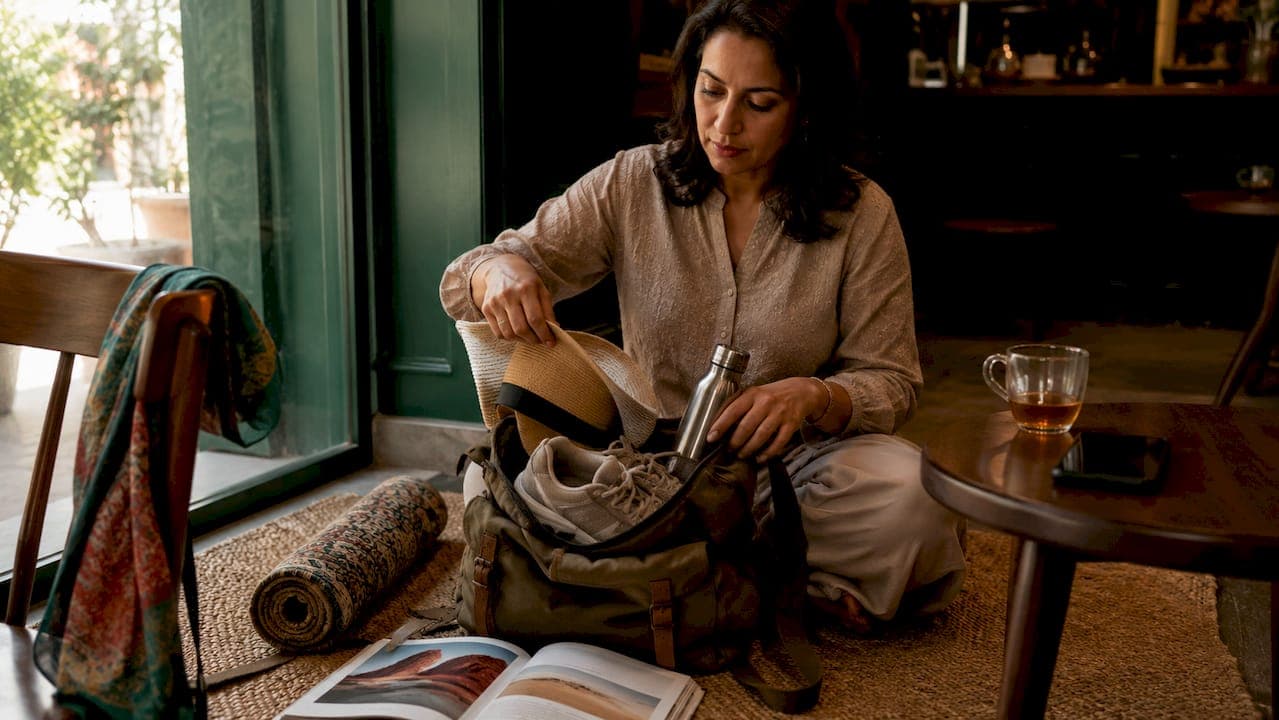
Packing smart reduces physical risk. Pilgrims should carry only what they need for each day's activities. Securing valuables in a money belt worn under clothing prevents theft in crowded areas. A small backpack with water, snacks, a portable charger, and a basic first aid kit covers most day-to-day needs without adding unnecessary weight.
Practical strategies for a safer pilgrimage:
- Download offline maps of Mecca and Medina before arrival in case of connectivity issues
- Share your daily itinerary with a trusted contact at home
- Book transport through verified services that provide real-time driver tracking
- Avoid carrying large amounts of cash; use a travel card where accepted
- Check travel safety essentials before departure to cover general travel security basics
Pro Tip: Elderly pilgrims and those with chronic conditions should pack a written medication schedule with dosage times in Arabic. Pharmacies in Mecca and Medina can assist more effectively when they can read the prescription details directly.
Elderly pilgrim transport requires specific planning. Vehicles with step-free access, air conditioning, and drivers trained to assist passengers with mobility limitations make a measurable difference in safety outcomes for older travelers.
Key Takeaways
Safe pilgrimage requires combining physical preparation, cultural respect, and reliable logistics before and during the journey.
| Point | Details |
|---|---|
| Physical preparation is non-negotiable | Train aerobically, hydrate consistently, and pack a personal medical kit before departure. |
| Cultural respect protects everyone | Following dress codes and site rituals reduces conflict and preserves the sacred environment. |
| Solo vs. group risks differ | Solo pilgrims need stronger personal safety tools; group pilgrims need crowd management plans. |
| Technology improves safety outcomes | Real-time tracking, offline maps, and digital communication tools reduce risk at every stage. |
| Regenerative pilgrimage adds purpose | Actively contributing to site and community restoration deepens the spiritual experience. |
Safe pilgrimage as a practice, not just a checklist
Most pilgrimage safety advice focuses on what to pack or which vaccinations to get. That is necessary, but it misses the larger point. Safe pilgrimage is a practice. It requires ongoing awareness, not a one-time preparation.
The pilgrims who travel most safely are not the ones with the longest packing lists. They are the ones who understand where they are going, why the rituals matter, and how their presence affects the community around them. That awareness changes behavior in real time. A pilgrim who understands crowd surge dynamics moves differently in a dense space. A pilgrim who understands regenerative principles makes different choices about where to eat, what to buy, and how to interact with locals.
Physical safety and spiritual integrity are not separate goals. They reinforce each other. A pilgrim who is physically well-prepared can focus on the spiritual dimensions of the experience. A pilgrim who respects the sacred environment is less likely to create friction with authorities or other worshippers. The two goals converge.
Evolving safety best practices, including digital tracking, organized transport, and regenerative principles, are not replacing the spiritual core of pilgrimage. They are creating the conditions for deeper engagement with it. Preparation is not a distraction from the sacred. It is what makes the sacred accessible.
— Fa
How Saudisayyah supports safe and comfortable pilgrimage travel
Pilgrims planning Umrah or Hajj need transport that matches the demands of the journey, not just a car and a driver.

Saudisayyah provides specialized pilgrimage transport with geolocation-enabled booking, real-time driver tracking, and a modern fleet maintained to the latest safety standards. Every booking includes driver photos and vehicle details sent before the trip, so pilgrims know exactly who is picking them up and in what vehicle. For groups, Saudisayyah's fleet management system coordinates multi-vehicle transfers with the precision that crowded pilgrimage schedules require. First-time pilgrims and experienced travelers alike benefit from a service built around eliminating uncertainty at every transfer point.
FAQ
What is safe pilgrimage?
Safe pilgrimage is travel that protects a pilgrim's physical health, respects the cultural and religious norms of sacred sites, and follows established safety protocols throughout the journey. It combines medical preparation, logistical planning, and cultural awareness.
Is pilgrimage safe for elderly travelers?
Pilgrimage is safe for elderly travelers when proper precautions are in place. Elderly pilgrims require scheduled hydration, packed medications, and transport with step-free access and climate control.
What are the most important tips for safe pilgrimage?
The most critical tips include completing required vaccinations, training physically before departure, using verified transport with real-time tracking, and timing rituals to avoid peak crowd periods.
How does group transport improve pilgrimage safety?
Organized group transport reduces injuries and confusion during crowded rituals by coordinating vehicle logistics, maintaining group cohesion, and providing faster emergency response than solo arrangements.
What is sustainable pilgrimage and how does it relate to safety?
Sustainable pilgrimage means traveling in ways that protect sacred sites and local communities for future pilgrims. It overlaps with safety because respectful, low-impact behavior reduces conflict, preserves site access, and maintains the conditions that make pilgrimage possible.