
TL;DR:
- Hospitality in pilgrimage involves providing shelter, food, transport, and compassionate care that support pilgrims both physically and spiritually. Modern models, including faith-sensitive designs and digital platforms, aim to enhance the experience while maintaining the sacred obligation rooted in religious traditions. Effective hospitality integrates infrastructure, empathy, and technology to facilitate spiritual renewal and meaningful connections on the journey.
Hospitality in pilgrimage is defined as the organized provision of shelter, food, transport, and compassionate care that sustains pilgrims physically and spiritually throughout their sacred journey. The role of hospitality in pilgrimage stretches back to the Rule of St. Benedict, which commanded monasteries to receive every guest "as Christ." That obligation has never disappeared. Today it shows up in Saudi Arabia's Hajj infrastructure, India's Raé by Tamara brand, and digital platforms like Nusk that connect pilgrims from 126 countries to verified accommodations. Whether you are preparing for Hajj, Umrah, or any other religious journey, understanding how hospitality works at each stage will help you plan with confidence.
How does hospitality support pilgrims' physical needs?
Physical comfort is the foundation of any successful pilgrimage. Without reliable lodging, food, and transport, the spiritual purpose of the trip becomes secondary to survival.
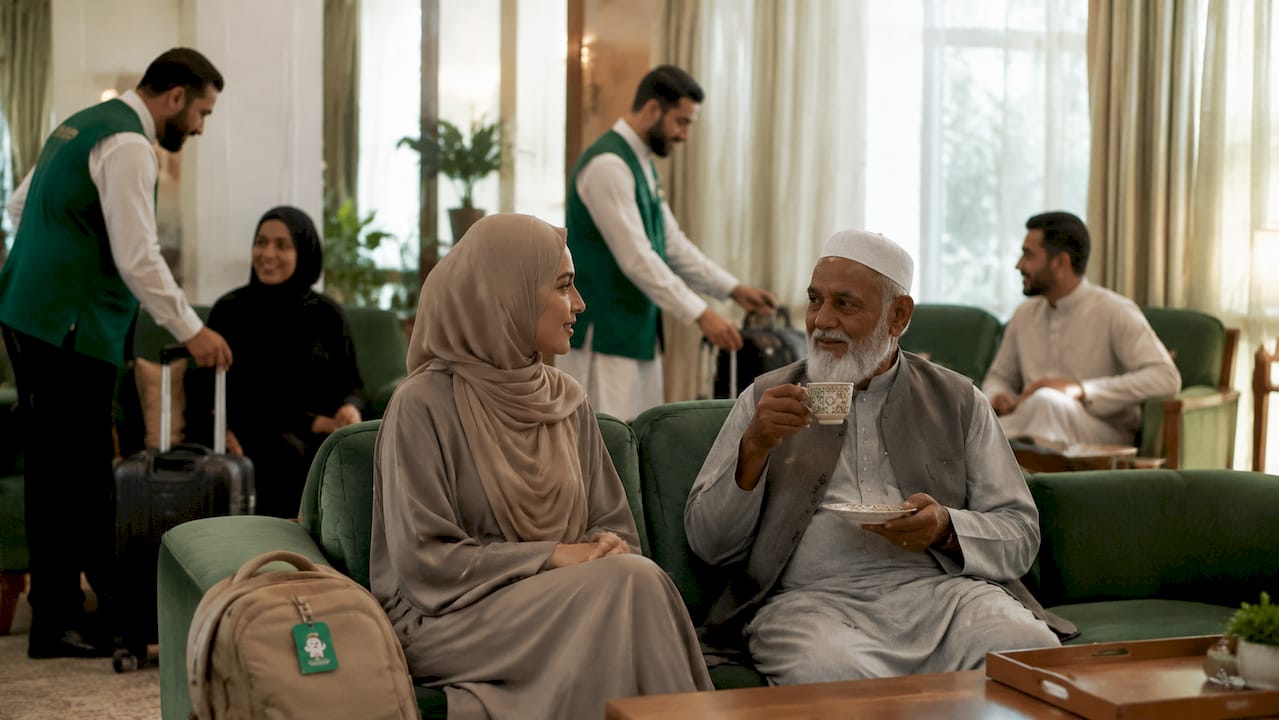
The scale of modern pilgrimage hospitality is significant. Saudi Arabia added over 566,000 beds to Makkah's pilgrim accommodation sector for Hajj 2026. That expansion was designed to support the anticipated 1.67 million pilgrims arriving between may 24–29, 2026, a number that makes Hajj one of the largest annual human gatherings on earth.
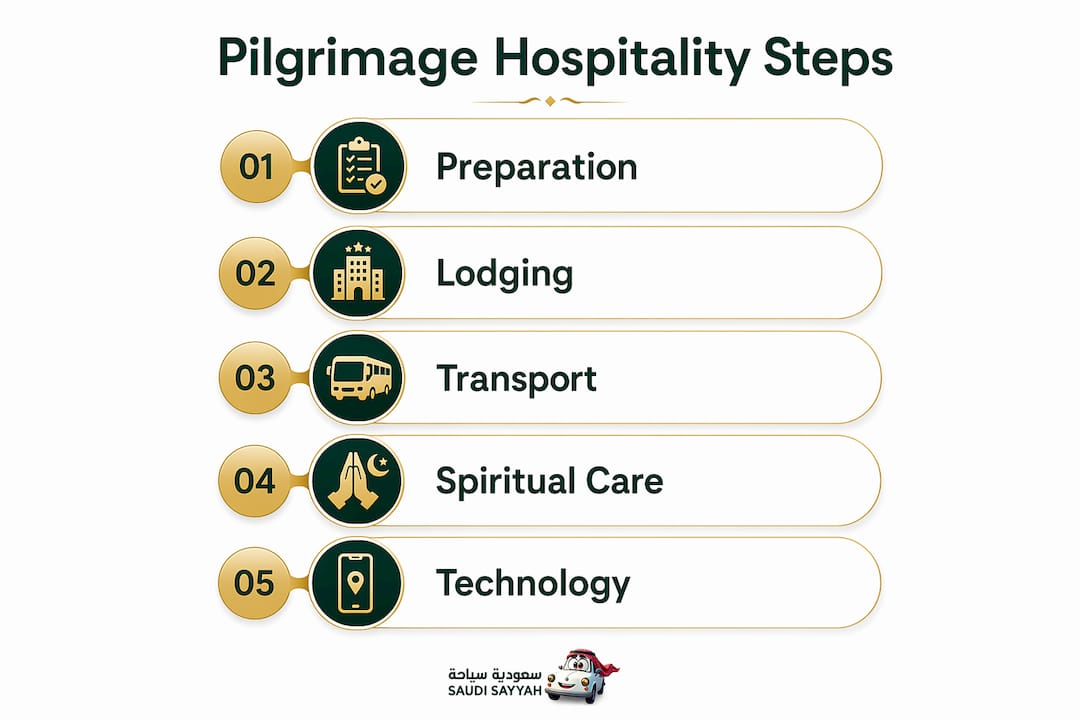
Physical hospitality services for pilgrims typically cover:
- Lodging: Hotels, guesthouses, and temporary camps positioned within walking distance of holy sites
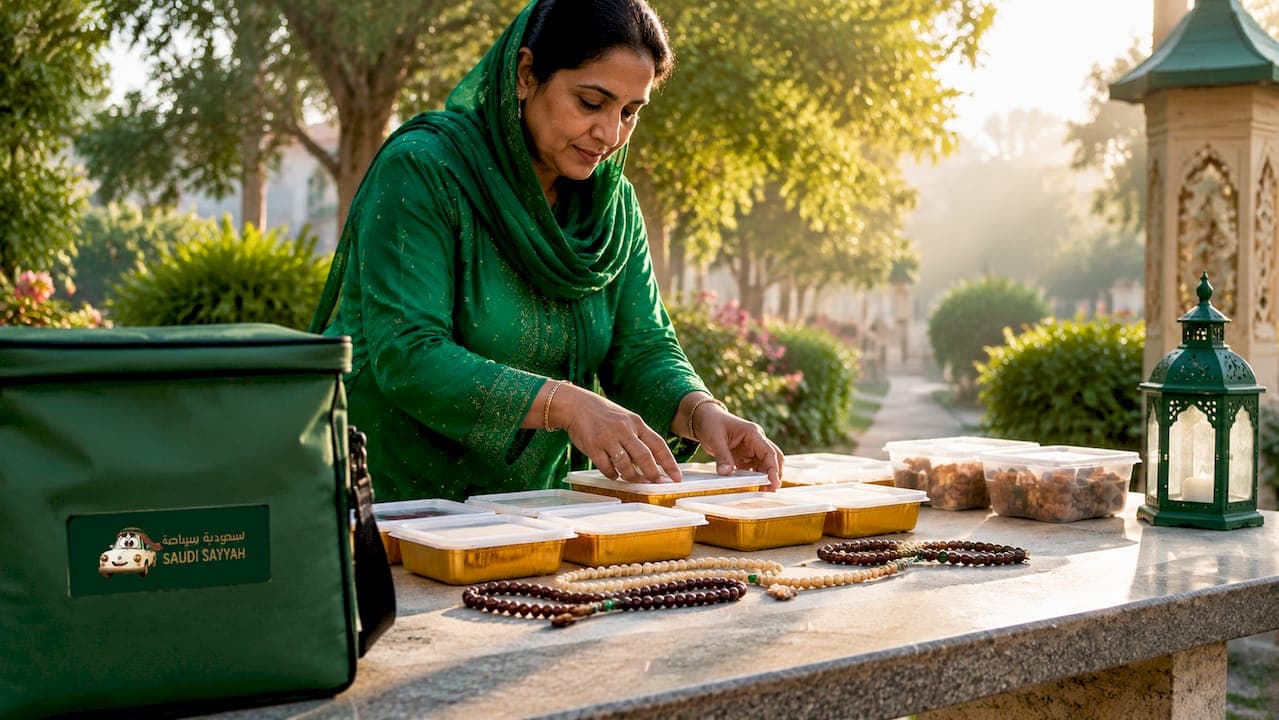
- Food: Catering aligned to dietary laws, prayer schedules, and the physical demands of long ritual walks
- Medical care: On-site clinics, ambulance access, and heat management stations in high-temperature environments like Makkah
- Transport: Buses, trains, and private vehicles connecting accommodation to ritual sites efficiently
Modern logistics have added a new layer. Digital booking and luggage shipping services now allow pilgrims to pre-arrange nearly every physical need before they land. That removes uncertainty from the equation and lets pilgrims focus on the reason they came.
Pro Tip: Book accommodation and ground transport at least three months before Hajj or Umrah. Capacity fills quickly, and late bookings often mean longer distances from the Masjid al-Haram.
The unseen infrastructure of roads, signage, medical stations, and booking systems matters more to pilgrim wellbeing than luxury amenities. A well-placed water station on the route to Mina does more practical good than a five-star hotel lobby.
Why does hospitality hold spiritual significance in pilgrimage?
Hospitality in religious travel is not simply a service transaction. It carries theological weight across multiple faith traditions.
The Rule of St. Benedict, written in the sixth century, established the principle that welcoming guests is a sacred act. The theologian Henri Nouwen expanded this idea by describing hospitality as converting "hostis" (enemy) into "hospes" (guest). That linguistic shift captures something real: the act of receiving a stranger with care changes the relationship between people and, in a faith context, between the pilgrim and the divine.
"Hospitality is not a subtle invitation to adopt the lifestyle of the host, but the gift of a chance for the guest to find their own." — Henri Nouwen
This principle appears across traditions:
- Islam: Welcoming pilgrims to the holy cities is considered a religious duty. Saudi Arabia's government frames its Hajj hospitality program explicitly as a faith obligation, not merely a tourism service.
- Christianity: Monastic guesthouses along the Camino de Santiago have offered free or low-cost lodging to pilgrims for centuries, grounded in Benedictine tradition.
- Hinduism: The concept of "Atithi Devo Bhava" (the guest is God) shapes how communities near pilgrimage sites in India receive visitors.
Hospitality rituals encourage spiritual renewal and fellowship among pilgrims and hosts alike. Sharing a meal, offering directions, or simply acknowledging a fellow pilgrim's effort are small acts that accumulate into a shared sacred experience. The host is changed by the encounter as much as the guest.
Effective pilgrimage hospitality requires both physical infrastructure and empathy-driven service grounded in faith. Logistics alone cannot produce the sense of welcome that transforms a difficult journey into a meaningful one.
What are the newest hospitality models built for pilgrims?
The hospitality industry is developing specialized models that go beyond standard hotel service to address the specific needs of religious travelers.
India's Raé by Tamara is the clearest current example. The brand describes itself as faith-intelligent hospitality, designed specifically for immersive pilgrimage experiences. Plans include 25 properties by 2030 near major pilgrimage destinations across India. Each property is designed with ritual sensitivity: prayer schedules inform check-in and check-out times, dining menus reflect faith-conscious requirements, and room layouts account for the direction of prayer.
In Saudi Arabia, the Nusk digital platform allows pilgrims from 126 or more countries to book directly, bypassing intermediaries and reducing booking errors. Nusk is part of a broader effort in which 60 government agencies integrated their services to oversee more than 100 quality initiatives for Hajj 2026. That level of coordination has no equivalent in standard tourism.
| Feature | Standard Hotel Model | Faith-Intelligent Model |
|---|---|---|
| Check-in timing | Fixed hours | Aligned to prayer schedules |
| Dining | General menu | Faith-conscious, ritual-compliant |
| Room orientation | Standard layout | Prayer direction considered |
| Booking platform | General OTA | Dedicated pilgrim platform (e.g., Nusk) |
| Staff training | Hospitality service | Faith-context awareness |
Pro Tip: When evaluating accommodation for Hajj or Umrah, ask specifically whether the property is registered with the Saudi Ministry of Hajj and Umrah. Registered properties meet minimum standards for proximity, safety, and service quality.
Ritual-sensitive design in hospitality, including timing, companion services, and faith-aligned dining, creates a fundamentally different experience from standard travel accommodation. The difference is not cosmetic. It affects how rested, focused, and spiritually prepared a pilgrim feels at each stage of the journey.
How does hospitality differ across major pilgrimage sites?
Pilgrimage hospitality varies widely depending on the scale of the event, the resources of the host country, and the cultural traditions of the local community.
Saudi Arabia operates at a scale no other pilgrimage destination matches. The Hajj requires coordinating transport, accommodation, food, and medical care for over a million people within a compressed geographic area over five days. The government's 60-agency coordination model reflects that complexity. Private operators, international hotel chains, and government-run facilities all function within a single regulated framework.
India's pilgrimage hospitality is more fragmented but rapidly developing. Sites like Varanasi, Tirupati, and Amritsar each have distinct hospitality cultures shaped by local religious communities. The Tirupati Devasthanam Board, for example, manages accommodation, food, and transport for tens of millions of annual visitors to the Tirumala Venkateswara Temple, making it one of the most visited religious sites on earth.
The Camino de Santiago in Spain represents a third model. Hospitality there is distributed across a network of municipal albergues (pilgrim hostels), private guesthouses, and monastery-run facilities. Prices range from free to modest fees. The system depends heavily on volunteer hosts and local community participation, which gives it a personal character that large-scale operations cannot replicate.
| Pilgrimage Site | Annual Visitors | Primary Hospitality Model | Key Challenge |
|---|---|---|---|
| Makkah (Hajj) | 1.67 million (Hajj season) | Government-regulated, multi-agency | Crowd management, heat |
| Tirumala, India | 50,000+ daily | Temple board-managed | Queue management, volume |
| Camino de Santiago | 400,000+ | Distributed albergue network | Seasonal capacity |
| Vatican City | 9 million+ annually | Private hotels, religious guesthouses | Urban congestion |
Local hosts and communities remain the most consistent providers of genuine hospitality across all these contexts. A family offering tea to a tired pilgrim on the road to Makkah, or a volunteer stamping a pilgrim's credential on the Camino, delivers something no booking platform can automate. The importance of hospitality for pilgrims is felt most directly in these human moments.
Key takeaways
Hospitality in pilgrimage is both a practical infrastructure requirement and a spiritual obligation, and the two cannot be separated without diminishing the pilgrim experience.
| Point | Details |
|---|---|
| Physical needs come first | Lodging, transport, food, and medical care form the base layer of all pilgrimage hospitality. |
| Spiritual obligation drives quality | Traditions from the Rule of St. Benedict to Islamic duty frame hospitality as a sacred act, not a commercial service. |
| Faith-intelligent models are emerging | Brands like Raé by Tamara and platforms like Nusk are building hospitality specifically designed for religious travelers. |
| Scale varies dramatically | Saudi Arabia coordinates 60 agencies for Hajj; the Camino relies on volunteers. Both models work within their context. |
| Technology supports but does not replace human care | Digital logistics improve efficiency, but the most meaningful hospitality remains person-to-person. |
What i've learned watching hospitality transform pilgrimage
After years of studying and observing pilgrimage logistics, the thing that strikes me most is how often people underestimate the relationship between physical comfort and spiritual capacity. A pilgrim who is exhausted, disoriented, or hungry cannot focus on prayer or reflection. The practical and the sacred are not in competition. They depend on each other.
The emergence of faith-intelligent brands like Raé by Tamara and the scale of Saudi Arabia's Hajj infrastructure investment tell me that the hospitality industry is finally catching up to what pilgrims have always known. Service quality is not separate from spiritual integrity. It is an expression of it.
What I find most promising is the use of technology not to replace human warmth but to remove friction. Real-time tracking, pre-arranged transport, and direct booking platforms mean pilgrims spend less mental energy on logistics and more on the reason they made the trip. That is a genuine improvement. Reviewing how technology reshapes pilgrimage logistics makes clear that the best operators treat digital tools as a support layer, not a substitute for attentive service.
My one caution: do not let efficiency become coldness. The most memorable hospitality experiences in pilgrimage contexts are the ones where a host recognized the weight of what a traveler was doing and responded with genuine care. No app replicates that. Build your pilgrimage plan around reliable logistics, then leave room for the human moments that make the journey worth taking.
— Fa
Plan your pilgrimage transport with Saudisayyah
Reliable ground transport is one of the most overlooked elements of pilgrimage planning. Accommodation and flights get attention; the journey between your hotel and the holy sites often does not.
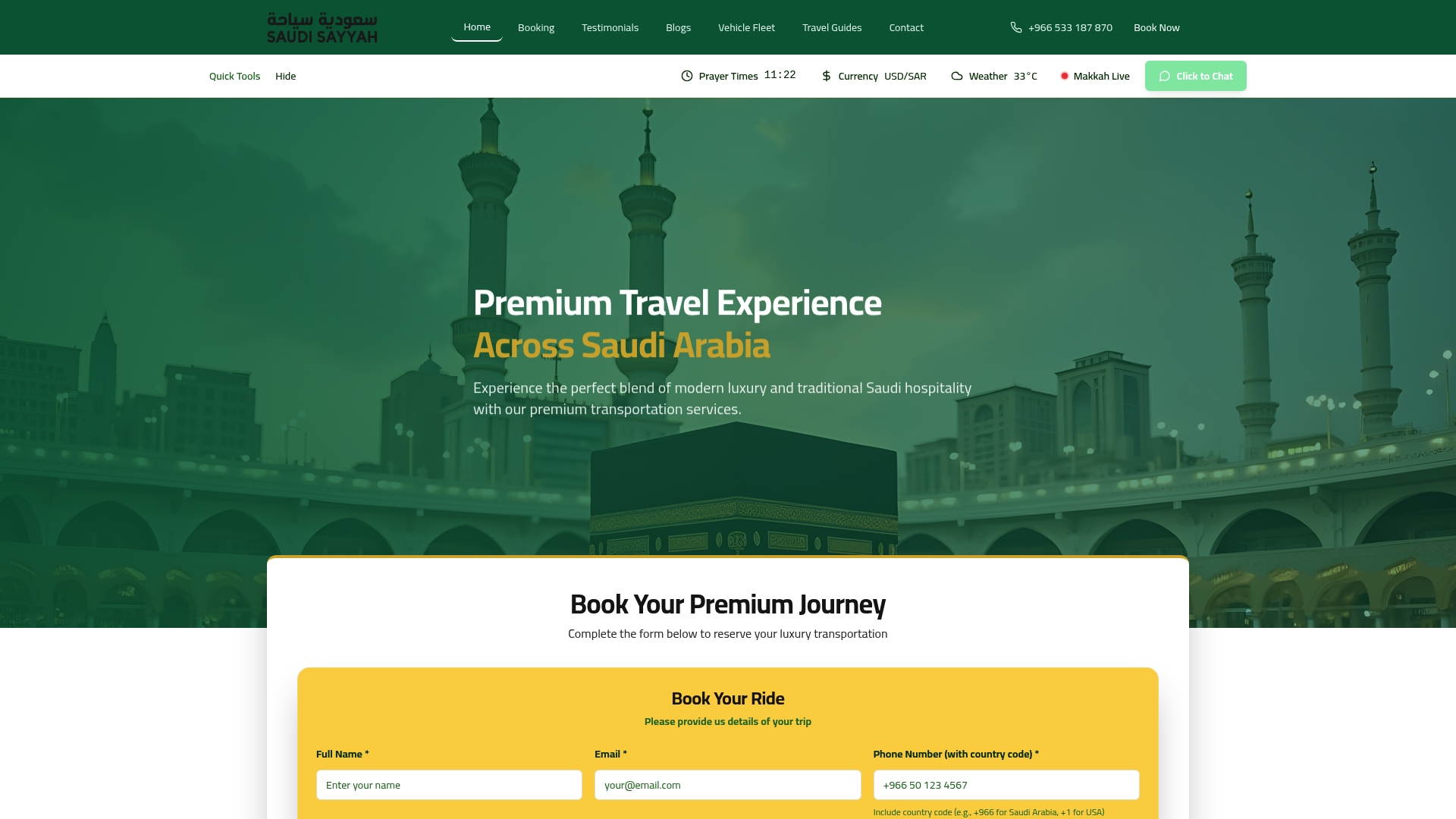
Saudisayyah provides professional driver services and a modern fleet specifically for pilgrims traveling in Saudi Arabia. The platform sends driver photos, vehicle details, and real-time tracking before every trip, so you know exactly what to expect. With Saudi Arabia adding over 566,000 beds for Hajj 2026, more pilgrims than ever will need dependable transport between accommodation and ritual sites. Explore Saudisayyah's pilgrimage transport services to arrange ground logistics before capacity fills.
FAQ
What is the role of hospitality in pilgrimage?
Hospitality in pilgrimage covers the provision of lodging, food, transport, and compassionate service that supports pilgrims physically and spiritually. It is grounded in religious traditions like the Rule of St. Benedict and Islamic duty, and it directly affects a pilgrim's ability to complete their journey with focus and wellbeing.
How has saudi arabia improved hospitality for hajj 2026?
Saudi Arabia added over 566,000 beds to Makkah's accommodation sector and integrated 60 government agencies to oversee more than 100 quality initiatives for Hajj 2026. The Nusk digital platform now allows pilgrims from 126 or more countries to book directly, reducing errors and improving service delivery.
What makes faith-intelligent hospitality different from standard hotels?
Faith-intelligent hospitality, as practiced by brands like Raé by Tamara, aligns check-in times, dining menus, and room design to the specific ritual requirements of religious travelers. Standard hotels serve general guests; faith-intelligent properties are built around the schedule and needs of pilgrims.
Why does hospitality matter spiritually, not just practically?
The Rule of St. Benedict and Henri Nouwen's theology both frame hospitality as a sacred act that transforms strangers into honored guests. Across Islam, Christianity, and Hinduism, receiving a pilgrim with care is considered a religious obligation, not a commercial service.
How can technology improve the hospitality experience for pilgrims?
Digital platforms like Nusk and geolocation-enabled transport services reduce logistical friction, allowing pilgrims to pre-arrange accommodation and transport before arrival. Real-time tracking and centralized booking remove uncertainty and let pilgrims concentrate on the spiritual purpose of their journey.