
TL;DR:
- Pilgrimage accommodations vary widely, from luxury hotels in Mecca to communal shelters on the Camino de Santiago and temple stays in Japan. Choosing the right lodging depends on your destination, budget, and spiritual goals, affecting both comfort and community experience. Early booking is essential for most options, especially for immersive stays like shukubo or high-tier pilgrim hotels.
Hospitality services for pilgrims are defined as the full range of lodging, transport, food, and support systems organized specifically around religious travel to sacred sites. The types of hospitality services for pilgrims vary dramatically by destination, from government-tiered hotel packages in Mecca to communal bunkhouses on the Camino de Santiago and temple stays in rural Japan. Matching the right service category to your specific pilgrimage route determines both your physical comfort and your depth of spiritual engagement. This guide covers the major accommodation and service types across four of the world's most traveled pilgrimage destinations.
1. Types of hospitality services for pilgrims on Hajj and Umrah
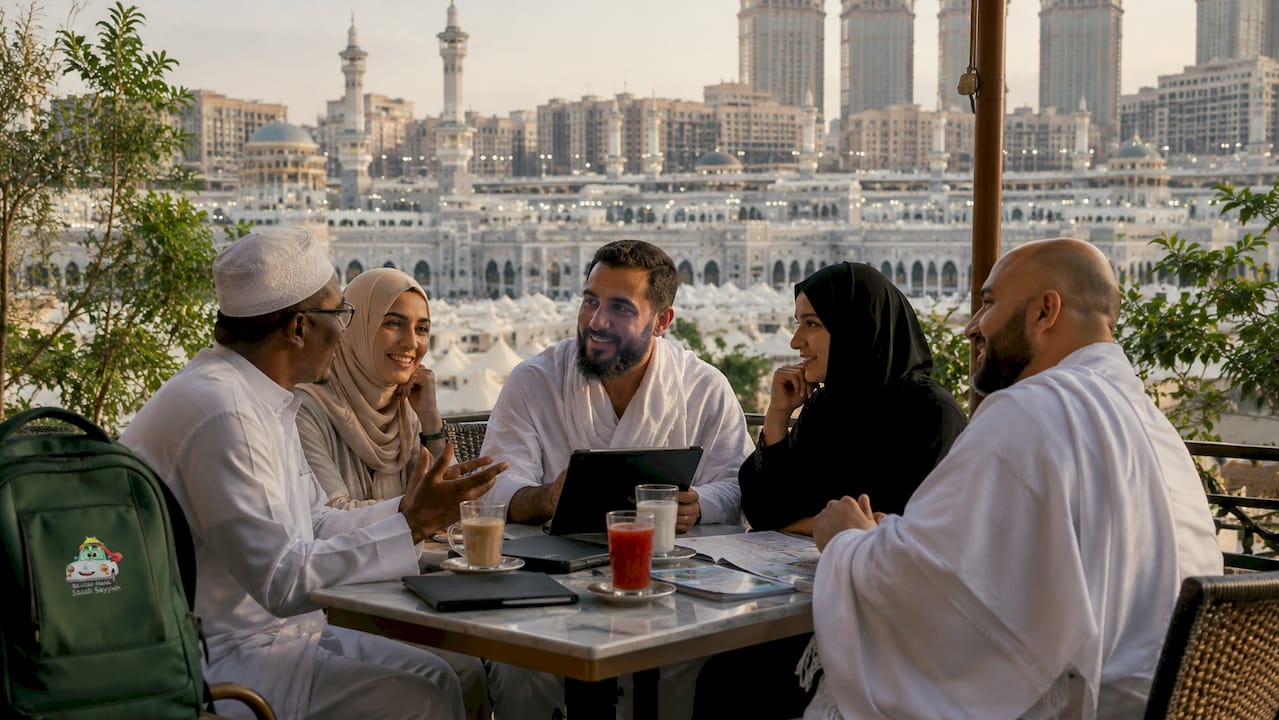
Saudi Arabia's Ministry of Hajj officially classifies pilgrim accommodation into three tiers for 2026: Luxury, Premium, and Standard. Each tier defines not just the hotel star rating but also the camp quality, proximity to the Grand Mosque, and the level of included services.
Luxury tier places pilgrims in 5-star hotels within walking distance of the Haram, with premium camp facilities in Mina and Arafat. Amenities include private rooms, air-conditioned tents, catering, and dedicated shuttle access. This tier suits pilgrims who prioritize physical comfort and reduced transit time between ritual sites.
Premium tier covers 4-star hotels and comfortable camps. Pilgrims get private or semi-private rooms, reliable shuttle connections, and meal plans. The balance between cost and comfort makes this the most popular choice for organized group packages.
Standard tier is the most affordable option, placing pilgrims in 3-star hotels and basic camps with shared facilities. Essentials are covered, but pilgrims should expect crowded conditions and longer travel times to key sites.
Beyond hotels, the Mina tent city hosts over 100,000 pilgrims under austere conditions during the peak days of Hajj. The shift from an urban hotel to a densely packed tent city is one of the most striking contrasts in pilgrimage travel. Pilgrims who understand this transition in advance manage it far better.
- Luxury: 5-star hotels, premium air-conditioned tents, proximity to Haram
- Premium: 4-star hotels, comfortable camps, shuttle included
- Standard: 3-star hotels, basic shared camps
- Mu'assasah housing: group housing organized through official pilgrim missions
- Furnished apartments: common for Umrah pilgrims on longer stays
Pro Tip: Book transport before finalizing your accommodation tier. Pilgrims in Standard-tier hotels often face the longest distances to ritual sites, so reliable group transport coordination becomes the most critical logistical decision.
2. Lodging options on the Camino de Santiago
The Camino de Santiago uses a credential-based lodging system unique in global pilgrimage travel. Pilgrims carry a physical document called the Credencial del Peregrino, which gets stamped at each stop and serves as proof of the journey. Without it, pilgrims cannot access municipal albergues.
Municipal albergues charge €10–25 per night and operate on a first-come, first-served basis. They provide bunk beds in shared dormitories, basic bathrooms, and sometimes a communal kitchen. There is no Wi-Fi guarantee, no private rooms, and no advance reservations. Pilgrims who arrive late risk finding no space.
Private albergues charge €12–20 per night and often allow advance booking. They tend to offer smaller dormitories, better bathrooms, and occasional extras like laundry machines. The trade-off is a slightly less communal atmosphere compared to municipal options.
| Lodging type | Price per night | Booking method | Private room |
|---|---|---|---|
| Municipal albergue | €10–25 | First-come, first-served | No |
| Private albergue | €12–20 | Advance booking available | Rarely |
| Pension or guesthouse | €40–70 | Advance booking | Yes |
| Rural house (casa rural) | €50–90 | Advance booking | Yes |
| Luxury parador | €150–200+ | Advance booking | Yes |
Paradores are state-run luxury hotels, often housed in historic monasteries or convents along the route. They offer a complete contrast to albergue life. Pilgrims who want private rooms, fine dining, and restored historic architecture pay €150–200 or more per night for that experience.
Pro Tip: Arrive early at albergues — ideally before noon in peak season — to secure a bunk. Pilgrims who start walking at dawn consistently get the best spots.
3. Temple stays and traditional lodging on Japan's Shikoku Pilgrimage
The Shikoku Pilgrimage in Japan offers nine distinct accommodation types, ranging from full-service hotels to free roadside shelters. No other pilgrimage route in the world provides this breadth of lodging categories within a single circuit.
Shukubo, or temple lodging, is the most distinctive option. Pilgrims sleep within the temple grounds, eat Shojin cuisine (traditional Buddhist vegetarian meals), and participate in early morning prayer rituals. Staying at shukubo requires advance reservations, strict adherence to monastic schedules, and respectful behavior throughout the stay. This is not casual accommodation. It is a structured spiritual practice.
- Hotels and ryokan inns: Full-service lodging with private rooms and meals; highest cost on the route
- Minshuku guesthouses: Family-run homes offering meals and a local experience at mid-range prices
- Shukubo (temple lodging): Immersive stays within temple grounds; includes morning rituals and Shojin cuisine
- Tsuyado shelters: Basic covered shelters within temple precincts; free or minimal cost
- Zenkon-yado: Free lodging offered by local residents as an act of generosity toward pilgrims
- Campsites: Outdoor camping; lowest cost but requires gear and physical preparation
Zenkon-yado is a concept with no direct equivalent in Western pilgrimage traditions. Local households voluntarily open their homes to pilgrims as a form of spiritual merit. Pilgrims who receive this hospitality are expected to express genuine gratitude and respect local customs.
Pro Tip: Book shukubo at least two weeks in advance, especially during spring and autumn peak seasons. Many temples limit nightly guests to fewer than ten people.
4. Pilgrim accommodation in Nepal and Asian sacred sites
Nepal's pilgrimage hospitality covers a wide spectrum, from basic budget lodges near temple gates to monastery guesthouses and family homestays. The range of options reflects both the diversity of pilgrims visiting sites like Pashupatinath and Muktinath and the varying infrastructure across different regions.
Dharamshalas are the traditional pilgrim rest houses found across South Asian pilgrimage routes. They provide free or very low-cost shelter, often managed by religious trusts or temple committees. Facilities are minimal: shared sleeping areas, basic bathrooms, and communal cooking spaces. They serve pilgrims who prioritize proximity to the sacred site over personal comfort.
Monastery guesthouses offer a step up in structure. Pilgrims stay within active monastic communities, often with access to prayer halls and guided meditation. The experience is quieter and more disciplined than a standard guesthouse. Costs are modest, and donations are typically welcomed.
Homestays provide the deepest cultural immersion. Pilgrims live with local families, eat home-cooked meals, and gain direct access to local religious practices. The trade-off is variable comfort and limited privacy. Location relative to the main temple matters significantly. Pilgrims staying far from ritual sites face longer daily walks, which adds physical demand to the spiritual one.
- Budget lodges: Low cost, basic facilities, often near temple entrances
- Mid-range hotels: Private rooms, reliable amenities, moderate distance from sites
- Dharamshalas: Free or minimal cost, communal, managed by religious trusts
- Monastery guesthouses: Modest cost, structured environment, spiritual access
- Homestays: Cultural immersion, variable comfort, local family setting
Key Takeaways
The right pilgrimage accommodation depends on your destination, budget, and how central the lodging experience is to your spiritual goals.
| Point | Details |
|---|---|
| Hajj tiers are government-defined | Saudi Arabia's Ministry of Hajj sets Luxury, Premium, and Standard tiers with distinct amenities and price points. |
| Camino lodging requires a credential | Municipal albergues on the Camino operate first-come, first-served and require a stamped pilgrim passport for entry. |
| Shukubo is structured, not casual | Temple stays in Japan include mandatory morning rituals and Shojin cuisine; advance booking and etiquette are required. |
| Location affects physical endurance | In Nepal, staying far from the temple adds significant walking distance to already demanding pilgrimage rituals. |
| Luxury can reduce community | High-end accommodation may limit the communal interaction that defines transformative pilgrimage experiences. |
What I've learned about choosing pilgrim accommodation
The most common mistake pilgrims make is treating accommodation as a secondary decision. Lodging shapes the entire rhythm of a pilgrimage. Choose a luxury hotel in Mecca and you gain comfort but lose the raw communal energy of the tent city. Choose a municipal albergue on the Camino and you gain connection but sacrifice sleep if your bunkmates snore.
Experts consistently note that luxury options can reduce the community interaction that makes pilgrimage transformative. That observation holds across every route I have studied. The pilgrims who report the most meaningful experiences are rarely the ones in the best rooms.
Booking timing is the practical factor most pilgrims underestimate. Shukubo fills weeks in advance. Municipal albergues fill by noon. Hajj packages at the Luxury tier sell out months before the season. Waiting until the last moment forces you into whatever remains, which rarely aligns with your goals.
My honest advice: decide what the pilgrimage means to you before you book a single night. If the journey is about spiritual depth, lean toward communal options. If physical limitations require comfort, book the higher tier early and plan transport carefully. Both choices are valid. The mistake is making them without intention.
— Fa
Saudisayyah: transport built for every accommodation tier
Pilgrims traveling to Mecca and Medina face a logistical challenge that no accommodation booking solves on its own: getting between sites reliably, on time, and without stress. That gap is exactly where Saudisayyah operates.
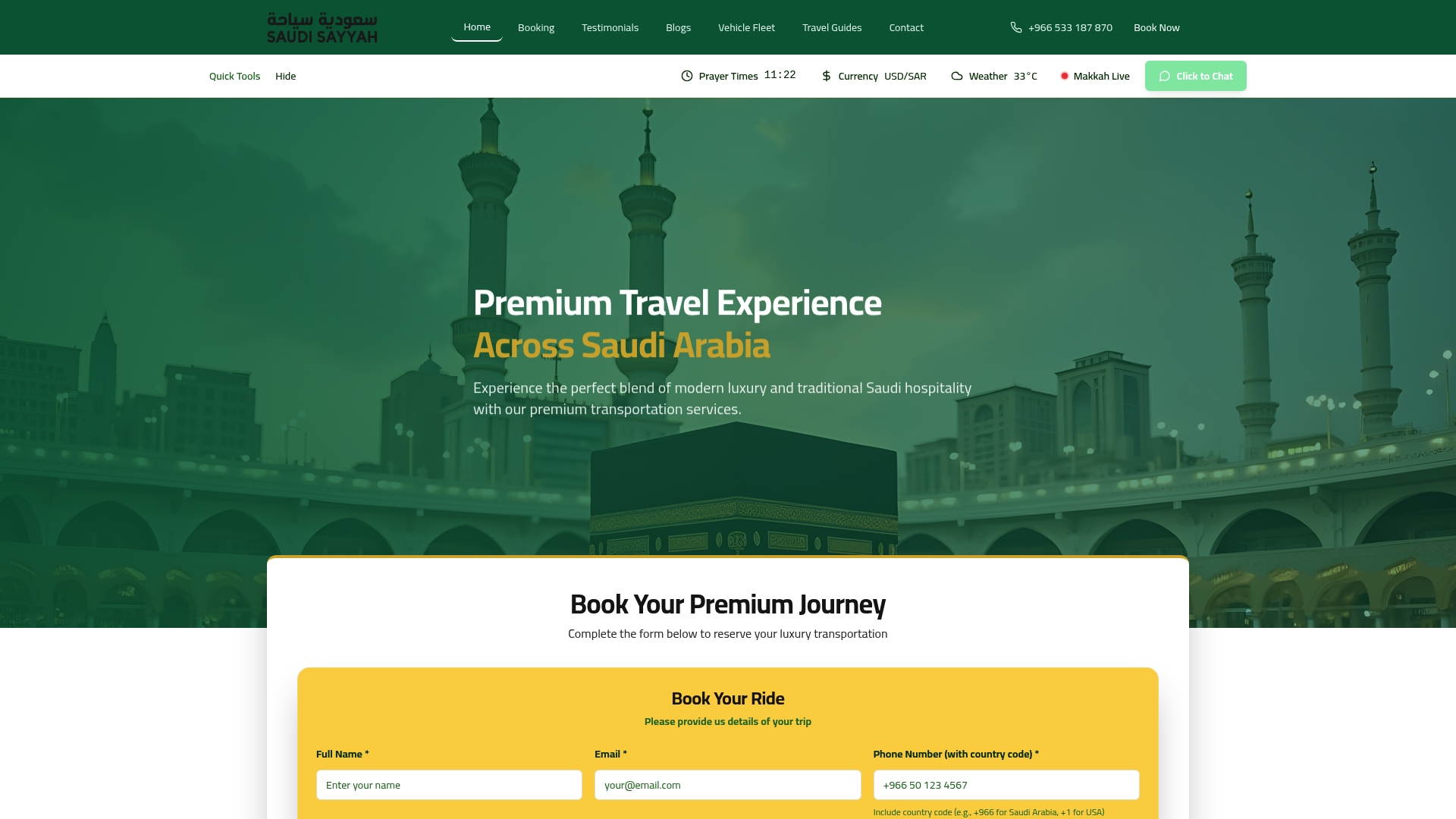
Saudisayyah provides car hire services for Umrah and Hajj pilgrims across all accommodation tiers. Whether you are staying in a Standard-tier hotel several kilometers from the Haram or a Luxury property within walking distance, the platform sends driver photos, vehicle details, and real-time tracking before every trip. For pilgrims managing elderly family members or large groups, the fleet options cover everything from private sedans to larger vehicles. Booking is fully automated and internationally compliant, so there are no surprises on arrival.
FAQ
What are the main types of hospitality services for pilgrims?
The main types include tiered hotel packages, pilgrim camps, communal lodges, temple stays, monastery guesthouses, and homestays. The right category depends on the pilgrimage destination and the pilgrim's priorities.
What accommodation tiers exist for Hajj pilgrims?
The 2026 Ministry of Hajj classifies Hajj accommodation into three official tiers: Luxury (5-star hotels and premium camps), Premium (4-star hotels and comfortable camps), and Standard (3-star hotels and basic camps).
Do Camino de Santiago pilgrims need to book accommodation in advance?
Municipal albergues do not accept advance reservations and operate first-come, first-served. Private albergues, pensions, and paradores accept advance bookings and are the better option for pilgrims who need guaranteed lodging.
What is shukubo and who should stay there?
Shukubo is temple lodging on Japan's Shikoku Pilgrimage. It suits pilgrims who want an immersive spiritual experience that includes morning rituals, traditional vegetarian meals, and monastic discipline. Advance booking is required.
How does accommodation choice affect the pilgrimage experience?
Accommodation directly shapes community interaction, physical endurance, and spiritual depth. Communal options like albergues or dharamshalas build connection, while luxury lodging offers comfort but can limit the shared experience central to many pilgrimage traditions.