
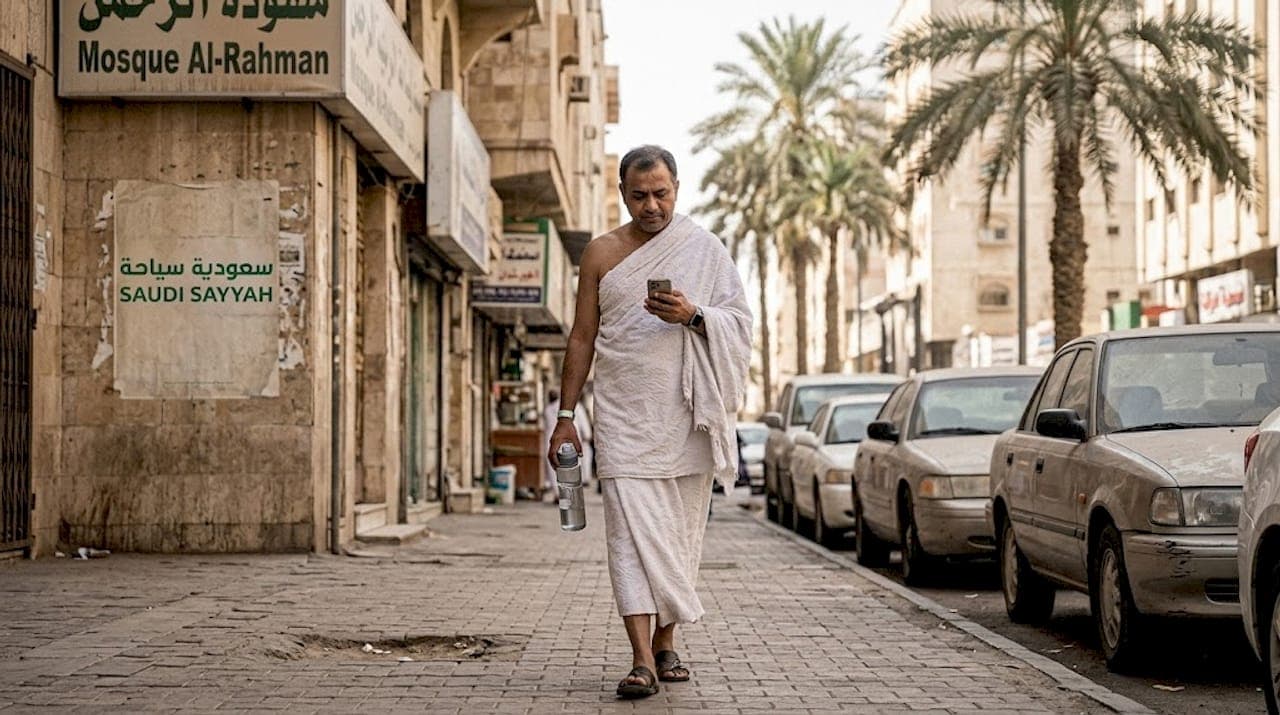
TL;DR:
- Saudi Arabia's climate features extreme heat, high UV levels, and dry air that require thorough preparation.
- Pre-trip heat acclimation, proper clothing, hydration, and timing are essential for safety during Umrah.
- Recognizing heat stress symptoms and acting quickly can prevent serious health issues.
Many first-time Western Umrah pilgrims arrive in Saudi Arabia without fully grasping how different the climate feels on the ground. The heat is not abstract. It is physical and immediate. Temperatures in Makkah and Madinah regularly exceed 40°C in summer, and even mild seasons carry intense UV radiation and dry air that no amount of reading fully prepares you for. This guide breaks down exactly what to expect, how to prepare your body before departure, what to pack, and how to move safely through your rituals. Preparation is achievable. The goal here is practical and clear.
Table of Contents
- Understanding Saudi Arabia's climate: What to expect as a pilgrim
- Pre-trip acclimation: Building your heat resilience before Umrah
- Essential clothing, gear, and packing checklist for Saudi weather
- Staying safe during rituals: Hydration, timing, and shelter strategies
- Recognizing and responding to heat stress: What to do if you or others struggle
- Special considerations: Winter, nighttime, and accommodations
- Our perspective: Why personal preparation matters more than ever
- Comfortable travel made easy: Plan your Umrah with Saudi Sayyah
- Frequently asked questions
Key Takeaways
| Point | Details |
|---|---|
| Desert climate challenges | Expect extreme heat and UV even in winter, so plan rituals and packing accordingly. |
| Acclimate before travel | Begin mild heat exposure and a hydration routine 1–3 weeks before your trip for safety. |
| Protective gear is vital | Light, breathable clothing, hats, sunscreen, and cooling tools can prevent serious heat illness. |
| Hydration is continuous | Drink water with electrolytes regularly even if you don’t feel thirsty and avoid caffeine. |
| Know heat stress signs | Act fast if you feel dizzy or nauseous and never hesitate to seek medical help. |
Understanding Saudi Arabia's climate: What to expect as a pilgrim
Saudi Arabia operates on a desert climate cycle that bears little resemblance to the temperate, cloudy, or humid conditions most Western pilgrims know from home. Understanding the range before you land makes every decision easier.
Summer temperatures exceeding 40–50°C are standard in Makkah and Madinah, while winters bring mild days between 15–28°C. The catch with winter is the nights. Temperatures can drop sharply after sunset, especially in Madinah, catching pilgrims off guard in thin layers.
Jeddah and coastal areas add humidity to the equation, making heat feel more oppressive. Inland Makkah and Madinah are dry but dusty, with UV levels far above what most Western countries experience. Your skin and eyes feel it fast.
Seasonal overview at a glance:
| Season | Daytime temp | Night temp | Risk level |
|---|---|---|---|
| Summer (Jun–Aug) | 42–50°C | 28–35°C | Very high |
| Autumn (Sep–Oct) | 30–40°C | 20–28°C | High |
| Winter (Nov–Feb) | 15–28°C | 8–15°C | Low to moderate |
| Spring (Mar–May) | 25–38°C | 18–25°C | Moderate |
For planning your Umrah trip, November through February is the most manageable window for first-time Western pilgrims. Mid-summer travel carries serious risk without exceptional preparation.
- High UV is present year-round, not just in summer
- Dry air dehydrates you faster than humid climates at home
- Coastal humidity adds heat stress even at lower temperatures
- Night temperatures in winter require layering
The official safety recommendations from WHO/EMRO consistently flag heat illness as a leading risk factor for pilgrims. Reading about the climate is one step. Feeling its intensity is another.
"Saudi summers regularly exceed 45°C while winter days are much milder, but nights can chill quickly."
Review the full Umrah safety tips before finalizing your itinerary.
Pre-trip acclimation: Building your heat resilience before Umrah
Your body needs time to adjust to heat. This process, called heat acclimation, involves your cardiovascular system, sweat response, and fluid regulation all shifting to work more efficiently in high temperatures. It does not happen overnight.
Pre-trip heat exposure, including midday walks and an electrolyte-rich diet, can significantly reduce arrival shock and improve safety. Most physiologists suggest a minimum of 48–72 hours of gradual heat exposure, but 1–3 weeks produces more lasting results.
Practical pre-travel acclimation steps:
- Begin daily 20–30 minute walks at the warmest part of the day, around 1–3 PM, starting 2–3 weeks before departure.
- Gradually increase walk duration by 5–10 minutes each week.
- Add light physical activity in warmth, such as yard work or outdoor stretching.
- Shift your hydration routine to drinking small amounts of water every 30 minutes rather than large amounts infrequently.
- Introduce electrolyte-rich foods: bananas for potassium, broths and lightly salted snacks for sodium.
- Consult your doctor about oral rehydration salts if you have a heart or kidney condition.
Dietary targets before departure:
| Nutrient | Why it matters | Source |
|---|---|---|
| Potassium | Supports muscle function in heat | Bananas, sweet potato |
| Sodium | Replaces sweat loss | Broths, lightly salted meals |
| Magnesium | Reduces cramp risk | Nuts, leafy greens |
| Water | Core hydration baseline | 2.5–3 liters daily minimum |
The WHO heat safety tips reinforce that hydration begins before you board the plane, not after you land.
Pro Tip: Use a free health app to log daily step count and water intake during your preparation weeks. Consistency matters more than intensity. Small daily progress compounds into real heat resilience by departure day.
If you are traveling with a group, review group travel advice to coordinate acclimation strategies among your party.
Essential clothing, gear, and packing checklist for Saudi weather
Clothing choices during Umrah are not just about comfort. They affect safety, ritual compliance, and your ability to stay outdoors long enough to complete your obligations.
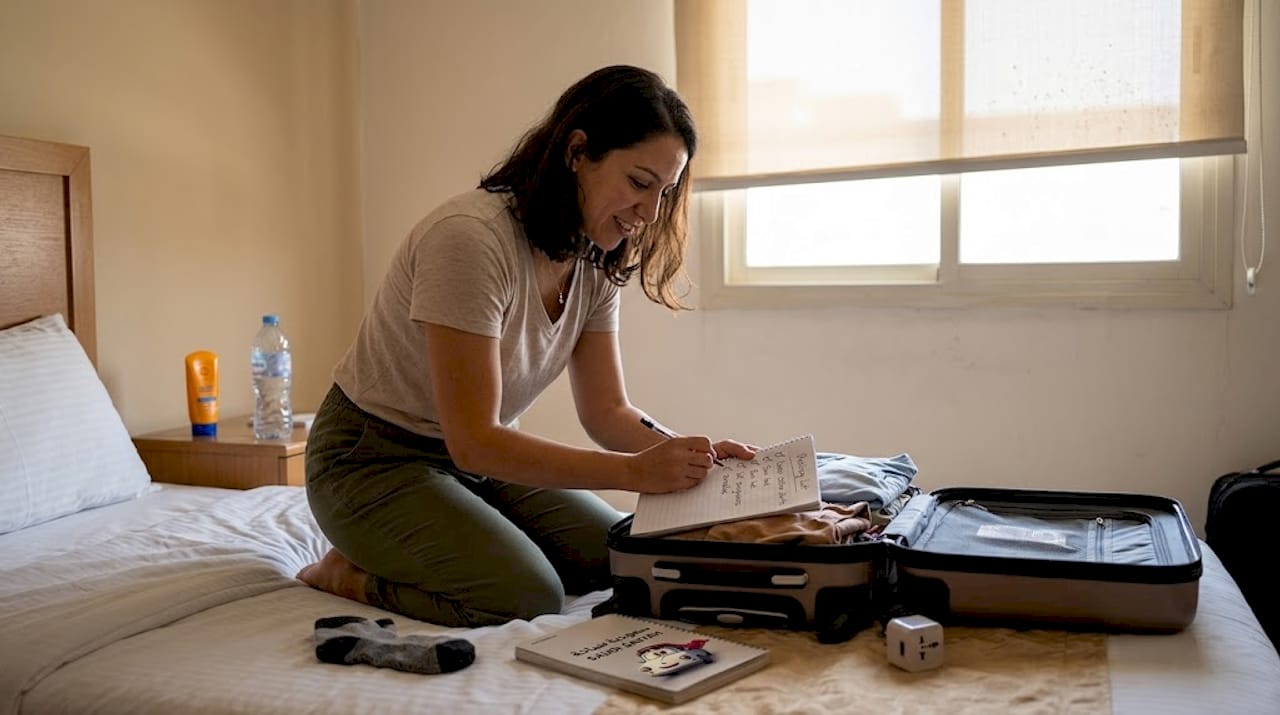
Light, loose, breathable cotton clothing, combined with sun hats, sunscreen, UV sunglasses, and cooling gear, is the standard recommendation from experienced pilgrimage advisors. Men in Ihram (the white seamless ritual garments) are already wearing light fabric, but need to plan additional gear around that. Women need full coverage in breathable materials.
Clothing and gear comparison by season:
| Item | Summer priority | Winter priority |
|---|---|---|
| Loose white/light cotton | Essential | Recommended |
| Wide-brim hat or umbrella | Essential | Useful |
| Thermal underlayer | Not needed | Essential |
| Shawl or warm wrap | Not needed | Essential |
| Waterproof light layer | Optional | Recommended |
| Cooling towel | Essential | Optional |
For additional Umrah packing essentials, reference a verified checklist before zipping up your bag.
- SPF 30 or higher sunscreen, reef-safe and sweat-resistant
- UV-blocking sunglasses rated 400nm or above
- Handheld battery-powered misting fan
- Cooling towels, pre-wet and stored in a sealed bag
- Comfortable sandals with arch support
- Thin wool or thermal socks for cold nights
- Quick-dry, lightweight rain layer
For full heatstroke prevention tips specific to Umrah, the details there complement everything in this checklist.
Pro Tip: Break in your sandals at home for at least two weeks before travel. Blisters from new footwear on marble mosque floors are a genuine trip disruptor. Comfort on your feet translates directly to how long you can perform rituals safely.
Staying safe during rituals: Hydration, timing, and shelter strategies
Knowing the risks is not the same as avoiding them. The practical decisions you make during Tawaf (the circular walk around the Kaaba) and Sa'i (the walk between Safa and Marwa) determine your heat exposure more than any single piece of gear.
Avoid peak sun hours between 10 AM and 4 PM, use shaded and misted walkways provided by Saudi authorities, and hydrate consistently throughout the day.
Recommended ritual schedule by heat risk:
- Fajr to 9 AM: Lowest heat, ideal for outdoor portions of Tawaf and Sa'i.
- 9 AM to 10 AM: Transitional window, manageable with shade access.
- 10 AM to 4 PM: Avoid extended outdoor exposure. Rest in air-conditioned hotels or Haram interior.
- 4 PM to Maghrib: Heat begins dropping. Acceptable for shorter outdoor rituals.
- Post-Maghrib to Isha: Coolest window for outdoor completion of rituals.
Hydration during rituals requires a different approach than daily drinking at home. Sip 150–200 ml every 20–30 minutes rather than drinking large volumes at once. Pale yellow urine is the target. Dark urine means you are already behind on fluids. Carry a personal water bottle, as Zamzam water is available throughout the Haram complex.
- Use misting stations in shaded walkways between outdoor areas
- Sit in air-conditioned sections of the mosque when queues build outdoors
- Travel in shade where possible between your hotel and the Haram
- Know the locations of medical posts before starting rituals
The public heat safety measures in place during Umrah season are robust, but they work best for pilgrims already managing their own exposure. Choosing reliable Umrah transport that is fully air-conditioned reduces the time you spend in outdoor heat between locations.
"Even short sun exposure at peak hours can cause heat illness. Saudi MOH advises resting midday in air-conditioned spaces."
Recognizing and responding to heat stress: What to do if you or others struggle
Even well-prepared pilgrims can experience heat stress. Westerners from temperate climates carry a physiological disadvantage in the early days of any trip to Saudi Arabia, regardless of season. Knowing what to look for and what to do immediately is non-negotiable.
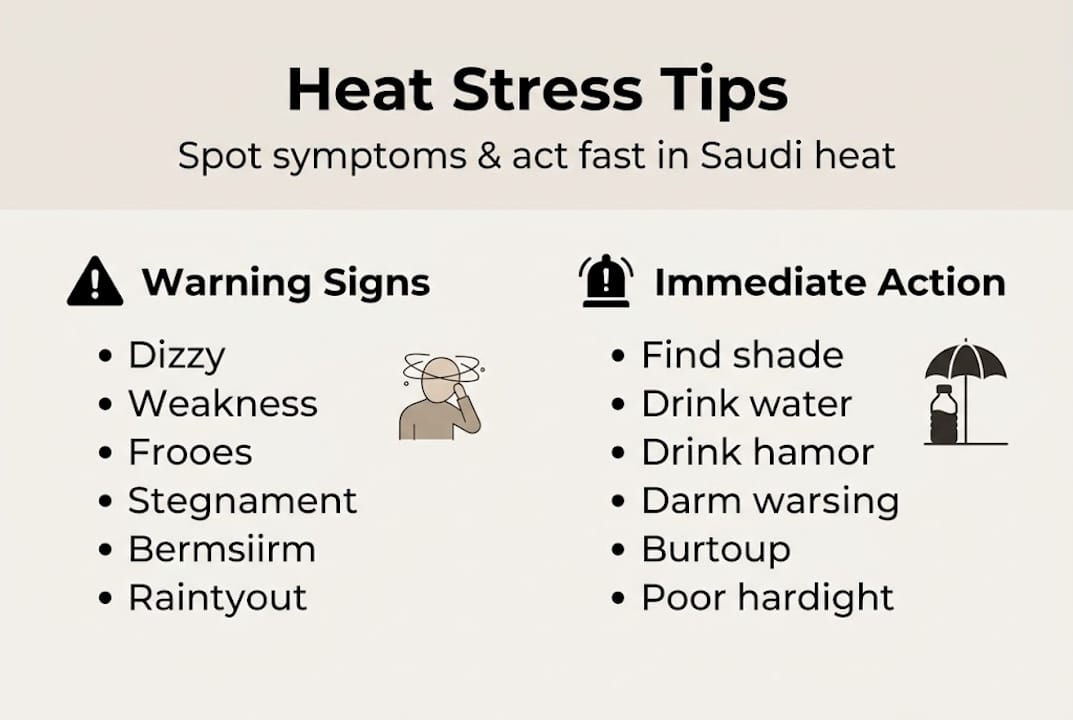
Symptoms include headache, nausea, confusion, and rapid pulse. The immediate response: move to shade, hydrate, use oral rehydration solution (ORS), and seek medical help if symptoms do not improve within 15–20 minutes.
Responding to heat stress step by step:
- Move the person out of direct sun into shade or air conditioning immediately.
- Remove excess clothing layers to promote airflow.
- Apply a cool, wet cloth to the neck, wrists, and forehead.
- Offer water or ORS in small sips. Do not force large amounts at once.
- Fan the person to accelerate cooling.
- If confusion, seizure, or loss of consciousness occurs, call for emergency medical help without delay.
Saudi MOH deploys field medical teams throughout the Haram complex and surrounding areas during Umrah season. Learn the locations of the nearest aid points on your first day. Do not wait until there is a crisis.
Key warning signs to watch for:
- Sudden confusion or slurred speech
- Skin that is dry and very hot to the touch
- Heart rate above 100 beats per minute at rest
- Stopping sweating despite high temperatures
For accommodations for heat-sensitive pilgrims, including elderly travelers and those with medical conditions, specific planning steps apply. Heat illness case studies from recent years document how quickly conditions can escalate without intervention.
Special considerations: Winter, nighttime, and accommodations
Most heat-focused advice overlooks the cold. Saudi winter nights are genuinely cold, particularly in Madinah. Pilgrims who pack only for warmth get caught unprepared after Maghrib when temperatures drop fast.
Nights in Madinah can require warm layers, socks, and shawls, especially for Fajr prayers performed outdoors in pre-dawn conditions.
- Pack a thermal or fleece underlayer for cold nights
- Carry a compact shawl or wool wrap for outdoor prayer
- Use quick-dry socks to manage both cold and rare rainy conditions
- Choose shoes with grip for wet marble or tiled surfaces
- Bring a compact, foldable rain layer for unexpected showers
Accommodation temperature planning:
| Scenario | Recommended action |
|---|---|
| Summer heat | Book hotel with direct or AC-bridged Haram access |
| Winter cold | Request extra blankets; pack thermal layers |
| Elderly or mobility-limited | Pre-book accessible ground floor or elevator rooms |
| Rare rainfall | Keep grip-sole shoes accessible at all times |
For booking accessible transport that accounts for weather-related mobility challenges, early planning is essential. Full accessibility advice is available for elderly pilgrims and those traveling with children.
Pro Tip: On your first day, walk the route between your hotel and the Haram and note the locations of the nearest air-conditioned shelters and medical posts. This 20-minute orientation could be the most valuable thing you do all trip.
Our perspective: Why personal preparation matters more than ever
Saudi Arabia has invested enormously in pilgrim infrastructure. Shaded walkways, misting systems, climate-controlled indoor spaces, and deployed emergency medical teams are all real and functional. The system works. But fatalities still occur among unprepared travelers, even with all of that support in place.
The honest truth is that infrastructure cannot compensate for a body that has never experienced 45°C heat. Pilgrims from mild climates arrive with cardiovascular and thermoregulatory systems calibrated for entirely different conditions. Saudi support systems reduce the margin for error. They do not eliminate it.
Personal preparation is the variable that infrastructure cannot control. The pilgrim who has spent three weeks walking in afternoon heat, adjusting their diet, and building their fluid intake routine will experience a measurably safer trip than one who has not. That is not an opinion. That is basic physiology.
The first-timer tips that make the most difference are not logistical. They are physical. The preparation you do before boarding is the most important investment in your Umrah experience.
Comfortable travel made easy: Plan your Umrah with Saudi Sayyah
One of the most practical ways to reduce heat exposure during Umrah is to minimize the time you spend moving between locations outdoors. Saudi Sayyah provides fully air-conditioned vehicles for every transfer, with professional drivers experienced in Umrah routes and timing.
Every booking through our platform includes real-time driver tracking, vehicle details, and driver photos sent directly to you before pickup. No waiting outdoors in heat. No uncertainty. Explore our VIP car hire services to find the right vehicle for your group size and accessibility needs. For full details on available models and features, browse our vehicle fleet and book the configuration that fits your travel plan.
Frequently asked questions
What is the best time of year for Umrah to avoid extreme Saudi heat?
The most comfortable period for Umrah is November through February, when daytime highs are milder and nights are less intense for first-time Western pilgrims.
How do I recognize and treat dehydration during Umrah?
Look for dark urine, dizziness, or dry mouth. Treat with water plus electrolytes regularly, even if you do not feel thirsty, and seek medical help for severe symptoms.
Is it necessary to bring special clothing for Saudi winters?
Yes. Pack layers for winter because Saudi nights can drop significantly in temperature, especially in Madinah after Maghrib, making a shawl and warm socks essential.
Are Saudi hotels connected directly to the Haram for easy access?
Some premium hotels offer direct or air-conditioned access bridges to minimize heat exposure. Book early to secure these options, especially during peak Umrah season.
What immediate steps should I take if I experience heat stress?
Move to shade, hydrate with water or oral rehydration solution, cool your body with a wet cloth, and seek medical help if symptoms persist beyond 15–20 minutes.
Recommended
- Safe travel in Saudi Arabia: Umrah pilgrim guide 2026
- Saudi tourism strategy: essential guide for first-time Umrah travelers
- Saudi Arabia airport transfers: Guide for Umrah pilgrims
- How to book accessible transport in Saudi Arabia for Umrah
- 4 pillars of Umrah: complete guide and practical tips – Badal Umrah