
TL;DR:
- Verified vehicles undergo thorough mechanical and legal inspections, ensuring safe and compliant transportation for Umrah pilgrims. They offer warranties, documented histories, and digital telemetry data, reducing risks of breakdowns, legal disputes, and insurance issues during the journey. Choosing certified fleets like Saudisayyah provides peace of mind, compliance with regulations, and reliable performance in extreme conditions.
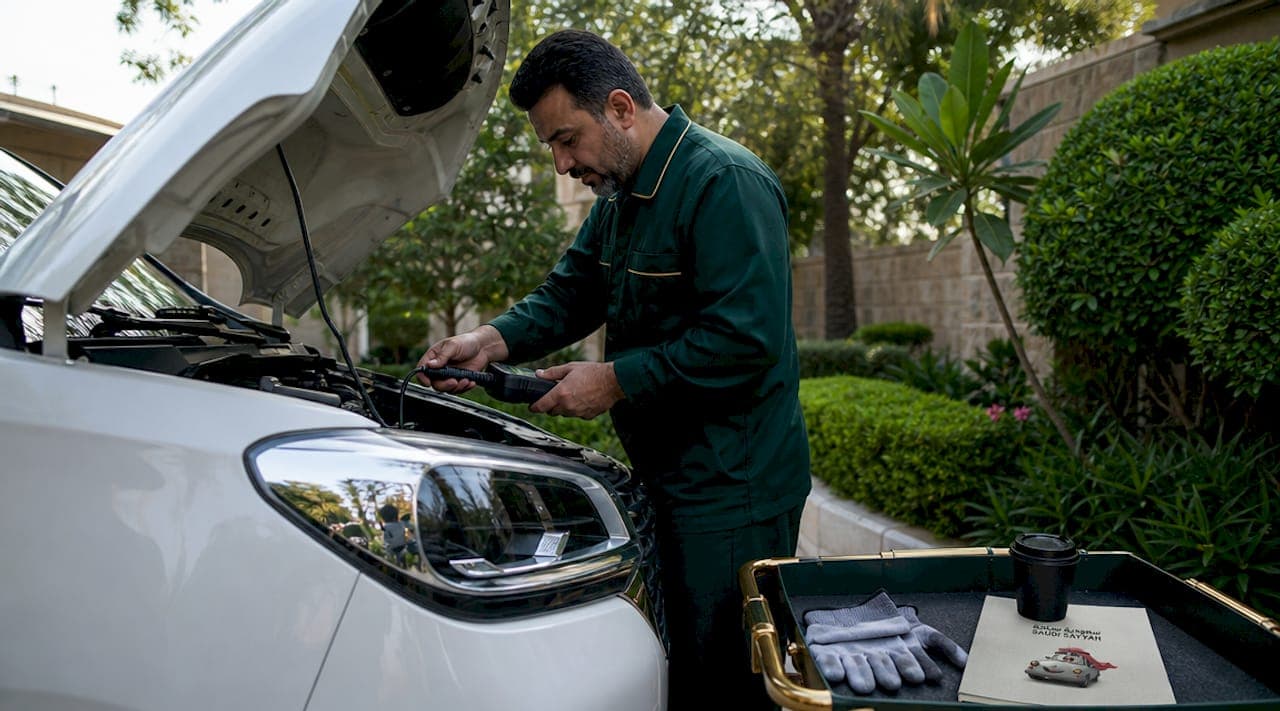
Verified vehicles are those rigorously inspected and certified for mechanical health, legal status, and safety, giving Umrah travelers a dependable transport option during their pilgrimage. The importance of verified transportation goes beyond comfort. A breakdown on the road between Makkah and Madinah, or a dispute over vehicle ownership, can derail a sacred trip that took months to plan. Certified vehicles eliminate those risks through documented inspections, legal clearance checks, and traceable service histories. Saudisayyah builds its entire fleet around this standard, so every pilgrim boards a vehicle with a verified record.
Why use verified vehicles for Umrah travel
Verified vehicles, known in the automotive industry as certified pre-owned (CPO) or certified transport vehicles, are defined by one core principle: every major system has been inspected and cleared before a passenger rides in them. Certification includes checks on the engine, brakes, transmission, and electricals, plus confirmation that no legal encumbrances exist on the vehicle. For Umrah travelers, this matters because Saudi Arabia's transport regulations require compliant, roadworthy vehicles operating within the holy cities. A vehicle that fails any of these checks is not just a mechanical risk. It is a legal one.

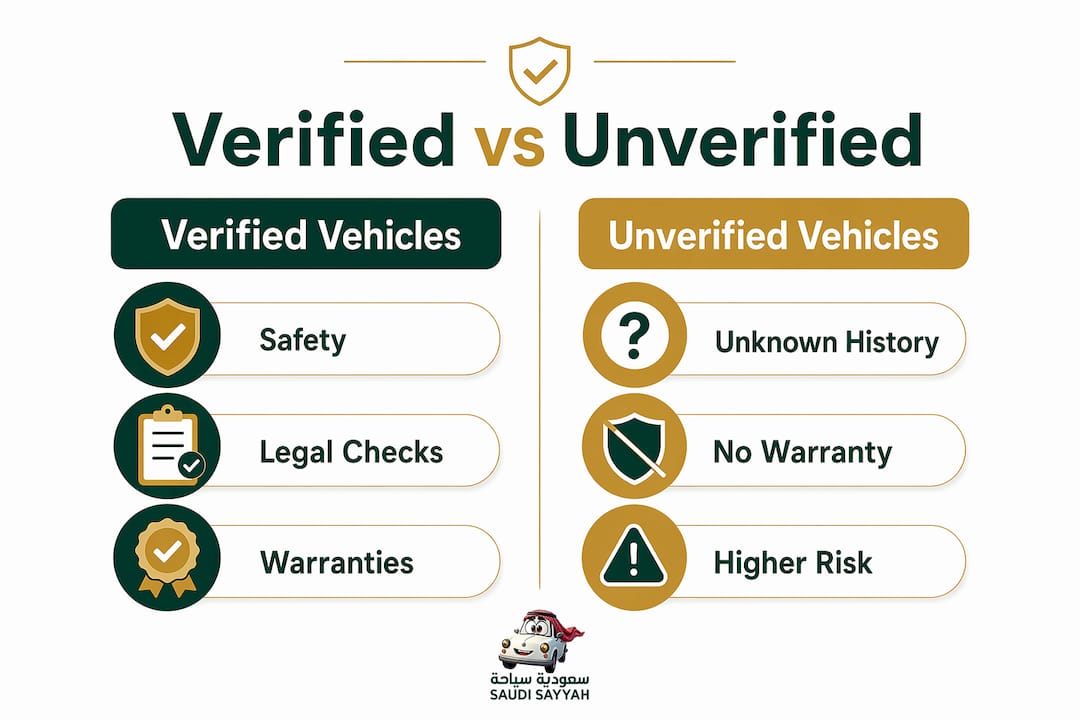
The benefits of verified vehicles extend to financial protection as well. Certified vehicles offer warranties from six months to one year and carry a lower risk of hidden repair costs. That warranty structure means if something goes wrong during your trip, the operator is accountable. With unverified transport, that accountability disappears the moment you pay.
What standards and inspections define a vehicle as verified
A vehicle earns verified status by passing a multi-point inspection that covers both mechanical condition and legal standing. The process is more thorough than a standard service check.
Mechanical inspection points include:
- Engine performance and oil condition
- Brake pad depth and hydraulic pressure
- Transmission response and fluid levels
- Electrical systems including lights, sensors, and battery
- Tire tread depth and pressure
- Air conditioning and climate control (critical in Saudi Arabia's heat)
Legal clearance checks include:
- Ownership verification through official databases such as VAHAN or RTO equivalents
- No pending traffic challans or court cases affecting the vehicle
- Confirmation of no unauthorized loans secured against the vehicle
- Valid registration and insurance documentation
These database cross-checks are what separate a truly verified vehicle from one that simply looks clean. A private operator may present a well-maintained car that carries hidden legal liabilities. Those liabilities can surface mid-trip, leaving passengers stranded or worse, involved in a legal dispute in a foreign country.
Pro Tip: Before booking any transport for Umrah, ask the operator for a written inspection report. A legitimate verified vehicle provider will supply this without hesitation. If they cannot, that is your answer.
Organized platforms offer 30-day return policies and extended warranties with documented inspection reports. For pilgrims, this translates to a provider who stands behind the vehicle they put you in.
How verified vehicles reduce risk compared to unverified transport
Choosing unverified transport for Umrah introduces risks that are entirely avoidable. The most common problems fall into three categories: hidden mechanical damage, ownership disputes, and inadequate insurance coverage.
-
Hidden mechanical damage. Private or informal operators rarely disclose past accidents or deferred maintenance. A vehicle with worn brake pads or a failing alternator may perform fine for a short test ride but fail on a long highway transfer between Jeddah and Makkah.
-
Ownership and legal disputes. Verification exposes hidden liabilities such as pending challans or unauthorized loans. Without this check, a pilgrim could board a vehicle that is legally disputed, creating complications if authorities stop the car.
-
Insurance gaps. Verified vehicles with documented maintenance histories qualify for better insurance premiums and more complete coverage. An unverified vehicle may carry only minimum liability insurance, leaving passengers unprotected in an accident.
The financial comparison is direct:
| Risk Factor | Verified Vehicle | Unverified Vehicle |
|---|---|---|
| Mechanical failure mid-trip | Low. Inspected and warranted. | High. No documented condition. |
| Legal ownership dispute | None. Database-cleared. | Possible. No legal check performed. |
| Insurance coverage | Full. Documented history qualifies. | Partial. Gaps common with informal operators. |
| Accountability if issues arise | Operator is contractually liable. | No formal recourse available. |
Verified badges and detailed inspection reports reduce hesitation and confusion when choosing a provider. For a first-time Umrah traveler unfamiliar with Saudi transport norms, that clarity is not a luxury. It is a necessity.
How technology and telemetry strengthen vehicle verification
Modern vehicle verification goes beyond a mechanic's visual inspection. Telemetry data now provides a layer of transparency that paper reports cannot match. Telemetry monitors engine health, fuel efficiency, mileage consistency, and driving behavior, creating a digital record of how a vehicle has actually been used.
This matters because some issues are invisible during a standard inspection. Telemetry data reveals subtle problems like odometer rollback or aggressive driving patterns that shorten a vehicle's reliable lifespan. A vehicle that has been driven hard on mountain roads will show that stress in its telemetry record, even if it looks fine on the outside.
| Verification Method | What It Detects | Limitation |
|---|---|---|
| Visual inspection | Obvious mechanical wear, fluid levels | Misses hidden electrical faults |
| Database check (VAHAN/RTO) | Legal status, ownership, challans | Does not assess mechanical condition |
| Telemetry data | Driving patterns, mileage accuracy, engine stress | Requires connected vehicle hardware |
| Digital inspection report | Full documented condition at a point in time | Reflects condition at inspection only |
The combination of all four methods produces the most complete picture of a vehicle's true condition. Platforms that use only one or two of these methods leave gaps that can affect passenger safety.
Pro Tip: When evaluating a transport provider for Umrah, ask specifically whether their vehicles use connected diagnostics or telemetry logging. Providers who use this technology have a verifiable record. Those who do not are relying on periodic manual checks alone.
Privacy is a reasonable concern with telemetry. Reputable providers collect vehicle performance data, not passenger location data. The two are distinct, and any credible operator will clarify this distinction clearly. Saudisayyah's geolocation-enabled platform shares driver details and real-time tracking with the passenger for safety, not for data collection purposes.
Practical benefits of verified vehicles during your Umrah pilgrimage
The advantages of using verified cars during Umrah are concrete and directly tied to the conditions of pilgrimage travel in Saudi Arabia.
- Reduced accident risk. Safety ratings from bodies like ANCAP and NHTSA confirm that adult occupant protection reaches 92% in top-rated 2026 vehicles. Verified fleets that use current model year vehicles carry these ratings into every trip.
- Informed decision-making. Verified listings build strong buyer trust because the information is objective and shareable. A pilgrim can review a vehicle's inspection report before the trip begins, not after something goes wrong.
- Legal compliance in Saudi Arabia. Transport operators in Makkah and Madinah must meet specific regulatory standards. Verified vehicles carry the documentation to prove compliance, which matters at checkpoints and during peak Umrah season when enforcement is active.
- Peace of mind. The importance of verified transportation for pilgrims is not only practical. Knowing your vehicle is mechanically sound and legally clear allows you to focus on the spiritual purpose of the trip. Anxiety about transport is a distraction no pilgrim needs.
- Consistent performance in extreme conditions. Saudi Arabia's summer temperatures exceed 45°C in some regions. A verified vehicle with a confirmed, functioning air conditioning system and a healthy engine is not optional in those conditions. It is a safety requirement.
Saudisayyah's approach to secure Umrah transport reflects all of these points. Every vehicle in the fleet is maintained to current standards, and passengers receive driver photos, vehicle details, and live tracking before each trip begins.
Key takeaways
Verified vehicles are the safest and most legally sound transport choice for Umrah travelers because they combine mechanical inspection, legal clearance, and digital documentation into a single accountable standard.
| Point | Details |
|---|---|
| Verification covers more than mechanics | Legal database checks expose ownership disputes and pending challans that visual inspections miss. |
| Telemetry adds a layer paper reports cannot | Connected vehicle data tracks driving patterns and mileage accuracy, catching issues invisible to the eye. |
| Insurance and warranty protection | Certified vehicles qualify for better coverage and carry warranties that hold operators accountable. |
| Saudi compliance is non-negotiable | Verified vehicles carry the documentation required by Saudi transport regulations during Umrah season. |
| Peace of mind has practical value | Removing transport anxiety lets pilgrims focus entirely on the spiritual purpose of their journey. |
What I have learned from watching pilgrims choose their transport
Most travelers I have observed spend significant time researching flights and accommodation for Umrah, then make a last-minute decision on ground transport. That is the wrong order of priorities. The flight ends at the airport. The vehicle takes you everywhere that matters.
The most common mistake is trusting a vehicle because it looks new or because the driver seems professional. Neither of those signals tells you anything about the vehicle's brake condition, its legal status, or whether the air conditioning will hold up on a 40-minute highway transfer in July. Appearance and verification are not the same thing.
The second mistake is assuming that all transport providers operating in Makkah and Madinah meet the same standard. They do not. The gap between a verified fleet and an informal operator is significant, and it shows up exactly when you least want it to: during a breakdown, at a checkpoint, or when something goes wrong and there is no documentation to support your claim.
Choosing certified vehicles is not about spending more. It is about removing a category of risk entirely. The premium cost of verified vehicles is outweighed by the peace of mind during a sacred journey where reliability is critical. That trade-off is straightforward once you understand what verification actually covers.
— Fa
Travel with confidence using Saudisayyah's verified fleet
Saudisayyah operates a fully verified fleet for Umrah and Hajj transport across Saudi Arabia. Every vehicle passes multi-point mechanical inspection, carries current legal clearance, and is maintained to 2026 model year standards. Before each trip, passengers receive the driver's photo, vehicle details, and live GPS tracking through Saudisayyah's geolocation platform.
The booking system is fully automated and internationally compliant, removing the guesswork from ground transport logistics. For pilgrims traveling to the holy lands for the first time, that structure matters. Browse Saudisayyah's verified transport services to see available vehicles, routes, and booking options for your Umrah trip.
FAQ
What does it mean for a vehicle to be verified?
A verified vehicle has passed a multi-point inspection covering mechanical systems and legal status, including checks against official databases for ownership clarity and no pending legal issues. The result is a documented, accountable record of the vehicle's condition.
Why choose certified vehicles over informal transport for Umrah?
Certified vehicles carry inspection reports, warranties, and legal clearance that informal operators cannot provide. This protects passengers from hidden mechanical failures, ownership disputes, and inadequate insurance coverage during the pilgrimage.
How does telemetry improve vehicle verification?
Telemetry records real driving data including engine stress, mileage accuracy, and fuel efficiency, revealing issues that a standard visual inspection cannot detect. This makes the verification record more complete and harder to falsify.
Are verified vehicles required by Saudi transport regulations?
Transport operators in Makkah and Madinah must meet specific compliance standards, and verified vehicles carry the documentation to prove they do. During peak Umrah season, enforcement at checkpoints is active, making proper documentation a practical necessity.
Does Saudisayyah provide vehicle details before each trip?
Saudisayyah sends driver photos, vehicle details, and real-time GPS tracking to passengers before every trip through its geolocation platform. This gives pilgrims full visibility into their transport before they board. Learn more about verifying vehicle details for Umrah travel in 2026.