
TL;DR:
- Easy rebooking allows pilgrims to modify travel plans quickly, using automated tools and flexible fares. It reduces wait times, cost risks, and logistical complexities during disruptions, especially for group travel. Booking directly with airlines enhances control and speeds up the rebooking process for Saudi Arabia pilgrimage trips.
Easy rebooking is the process of quickly modifying travel plans without long waits, excessive fees, or lost reservations. For pilgrims traveling to Saudi Arabia for Umrah or Hajj, this flexibility is not a luxury. It is a practical necessity. Pilgrimage schedules shift due to visa delays, health concerns, family circumstances, and airline disruptions. Knowing why use easy rebooking matters starts with understanding that automated tools, flexible fare options, and direct booking channels together determine whether a schedule change costs you hours or seconds.
Why use easy rebooking when traveling for pilgrimage
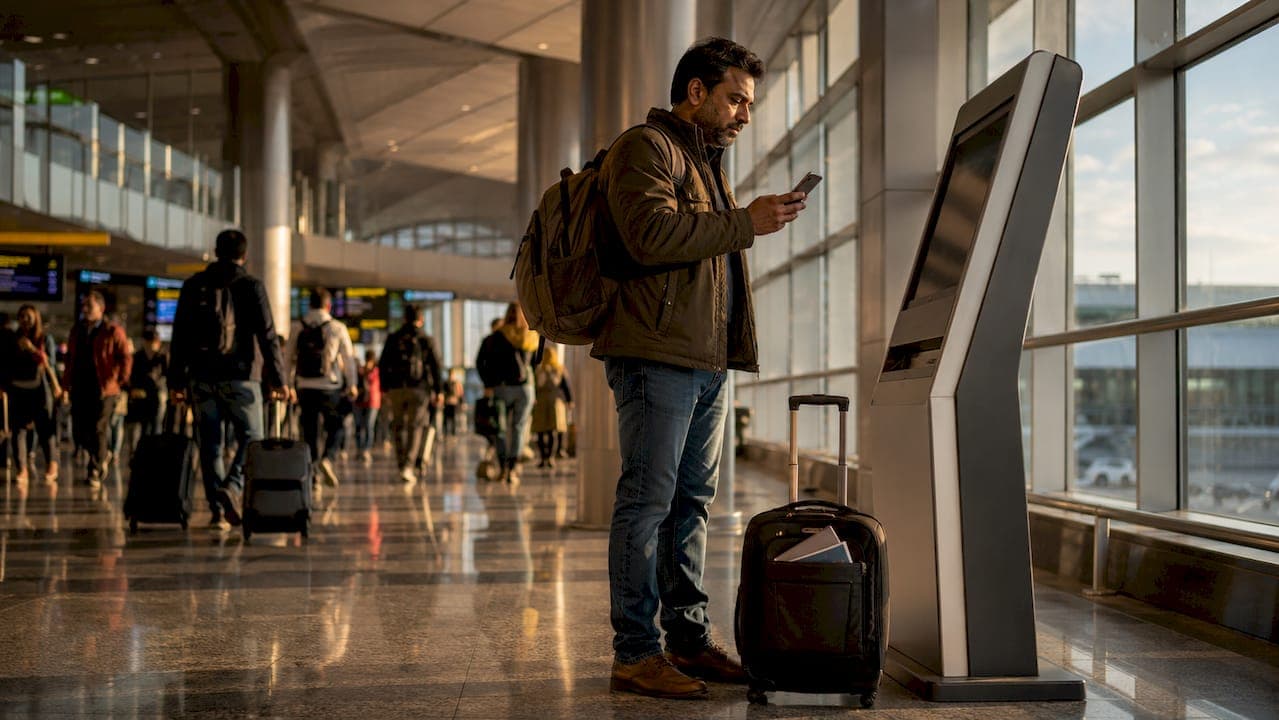
Easy rebooking, known in the travel industry as automated reaccommodation, gives pilgrims control over their itinerary without depending on a phone queue or a third-party agent. Automated systems execute rebooking decisions in seconds, bypassing the long waits that traditional phone-based rebooking requires. That speed matters most during mass disruptions, when thousands of travelers compete for the same limited seats on alternative flights.

Pilgrimage travel to Saudi Arabia carries unique pressure. Makkah and Madinah operate on fixed religious calendars, and missing a departure window can mean missing the entire trip. A rebooking process that takes hours instead of seconds can turn a manageable delay into a complete loss of the pilgrimage opportunity. The benefits of easy rebooking are most visible precisely when the stakes are highest.
Tools like Navan and airline mobile apps have changed the standard for what rebooking speed looks like. Where a traveler once waited 90 minutes on hold with a carrier, an app now surfaces alternative flights automatically. The advantages of simple rebooking through these platforms extend beyond speed. They also reduce the cognitive load on a traveler who is already managing a complex, emotionally significant trip.
How do automated rebooking tools work during disruptions?
Automated rebooking tools monitor your reservation in real time and trigger alternative options the moment a disruption is detected. The system checks available seats on alternative flights, applies your fare rules, and presents confirmed options without requiring you to initiate the process manually. Airline apps surface rebooking options before human agents are even available to take calls.
The practical difference between automated and traditional rebooking comes down to three factors:
- Speed. Automated systems act in seconds. Phone queues during major disruptions can stretch to two hours or more.
- Accuracy. The system applies your actual fare rules automatically, reducing the risk of an agent applying the wrong ticket class.
- Availability. Seats on alternative flights fill fast during disruptions. Automated tools claim seats before manual callers reach the front of the queue.
Pro Tip: During large-scale disruptions, open the airline app and start the self-service rebooking process while simultaneously calling the airline. Initiating both channels at once increases your chances of securing a confirmed seat faster than relying on either method alone.
Pilgrims traveling in groups face an added layer of complexity. Rebooking a single seat is straightforward. Rebooking a group of eight or twelve travelers on the same alternative flight requires a system that can hold multiple seats simultaneously. Automated tools handle this far more reliably than a single agent working through a manual process. For a deeper look at how automation reshapes pilgrimage logistics, the role of automation in travel is worth reviewing.
What are the benefits of flexible fare options for pilgrims?
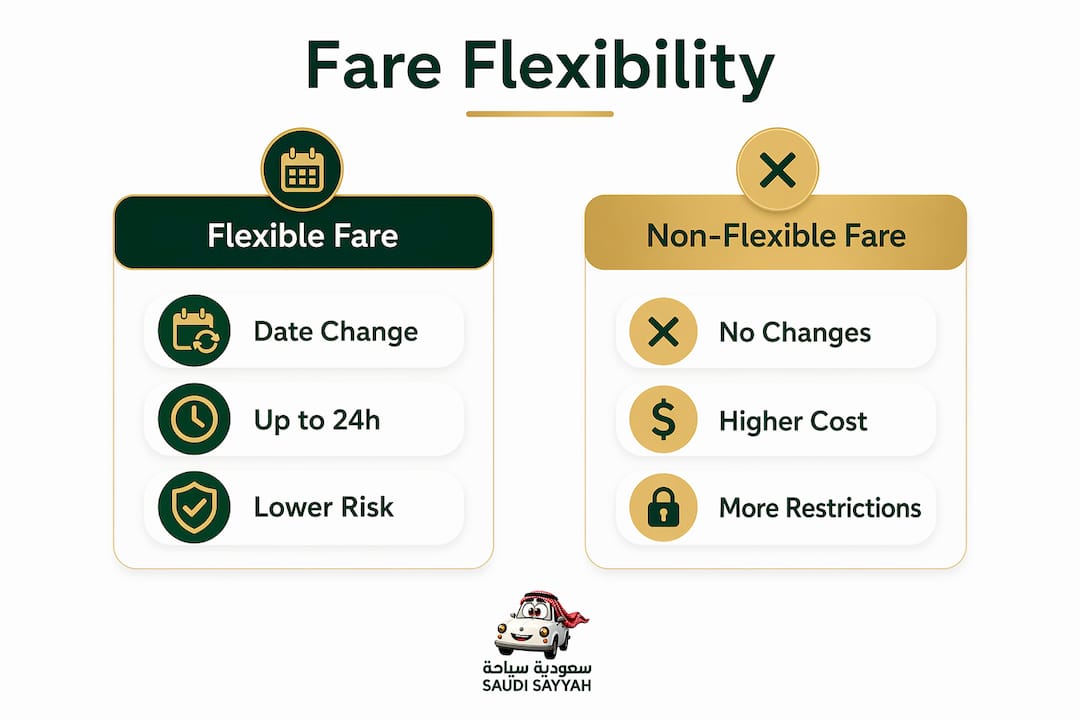
Flexible fares are ticket types that allow date or flight changes without a full fare penalty, typically up to 24 hours before departure. Flex fares protect pilgrims from last-minute price spikes by locking in the right to change without paying the full current fare at the time of the change. For a pilgrim whose visa approval arrives later than expected, that protection is worth more than the premium paid upfront.
Travel analysts frame the flexibility premium as insurance against capacity-driven fare surges. When seats on peak Hajj or Umrah season flights fill up, last-minute fares can spike sharply. A flexible ticket purchased months earlier locks in the right to change at a predictable cost.
The table below compares the key characteristics of flexible and non-flexible fares for pilgrims planning Saudi Arabia travel.
| Feature | Flexible fare | Non-flexible fare |
|---|---|---|
| Date change allowed | Yes, typically up to 24 hours before departure | No, or only with a significant penalty fee |
| Change fee | None or minimal | Often substantial, sometimes equal to a new ticket |
| Last-minute price protection | Yes | No |
| Refund eligibility | Partial or full in many cases | Usually non-refundable |
| Best for | Uncertain pilgrimage schedules | Fixed, confirmed itineraries only |
Pro Tip: "No change fee" marketing language does not always mean free changes. Fare rules, booking channels, and credit windows determine the true cost of a change. Always read the full fare conditions before purchasing.
Price fluctuations occur in up to 40% of cases before scheduled check-in. That means a significant share of pilgrims who monitor fares after booking can find a lower price and rebook at a reduced cost. Flexible fares make that rebooking possible without penalty.
Does booking directly with airlines improve rebooking ease?
Direct booking with an airline gives the traveler full control of the ticket record. Direct bookings avoid intermediaries, enabling faster changes and clearer fare policies. When a disruption occurs, the airline can act on a direct booking immediately. A ticket held by a third-party agent requires the airline to coordinate with that agent first, which adds time and introduces the risk of miscommunication.
For pilgrims, the practical advice on booking channels is straightforward:
- Book directly with the airline whenever possible to retain full ticket control and access to the airline's own rebooking tools.
- Avoid third-party booking sites for complex itineraries. Booking via third-party agencies can complicate ticket control and cause delays when changes are needed during disruptions.
- Verify your ticket number format. A direct booking generates a ticket number in your name immediately. Some third-party bookings hold the reservation without issuing a ticket, which limits your rebooking options.
- Save the airline's app and direct contact number before departure. During a disruption, you want immediate access to the airline's own rebooking system.
When a schedule change is minor, airlines can often process a revalidation rather than a full reissue. Revalidation updates your ticket faster and at lower cost than a full reissue. Direct booking makes revalidation more accessible because the airline holds the ticket record directly.
Top reasons pilgrims choose hassle-free rebooking for Saudi Arabia travel
Pilgrims traveling to Makkah and Madinah face a specific set of travel pressures that make quick rebooking more valuable than it is for leisure travelers. The top reasons for easy rebooking in this context are practical and concrete.
- Minimizing disruption during sudden plan changes. Visa delays, health issues, and family emergencies are common reasons pilgrims need to shift departure dates. A rebooking process that takes minutes rather than days keeps the pilgrimage on track.
- Saving money by monitoring price drops. With price fluctuations occurring in a significant share of bookings before check-in, pilgrims who hold flexible tickets can rebook at lower fares when prices drop. That saving can offset the cost of the flexible fare premium entirely.
- Reducing wait times with automated tools. During peak Hajj and Umrah seasons, airline disruptions affect large numbers of pilgrims simultaneously. Automated rebooking tools process changes in seconds, while phone queues stretch for hours.
- Enabling smooth group travel adjustments. Pilgrimage groups often travel with family members of different ages and health conditions. One member's change can require adjusting the entire group's itinerary. Automated systems handle multi-seat rebooking more reliably than manual processes.
- Reducing stress during a sacred trip. The easy rebooking customer experience directly affects the quality of the pilgrimage itself. A traveler who spends hours on hold managing a flight change arrives at the holy sites exhausted. A traveler whose rebooking is handled in seconds arrives focused.
For pilgrims who want a structured approach to the full booking workflow, the guide to booking pilgrimage taxis in 2026 covers the end-to-end process in practical detail.
Key Takeaways
Easy rebooking protects pilgrims from disruptions, cost spikes, and delays by combining automated tools, flexible fares, and direct booking into a single reliable system.
| Point | Details |
|---|---|
| Automated tools save time | Systems like Navan and airline apps rebook in seconds, bypassing long phone queues during disruptions. |
| Flexible fares reduce financial risk | Flex fares allow changes up to 24 hours before departure, protecting against last-minute price surges. |
| Direct booking improves control | Booking directly with airlines avoids third-party delays and enables faster ticket changes. |
| Price monitoring cuts costs | Price fluctuations in up to 40% of bookings create real savings opportunities for pilgrims with flexible tickets. |
| Revalidation speeds minor changes | Minor schedule adjustments can be processed as revalidations, which are faster and cheaper than full reissues. |
What I've learned about rebooking from watching pilgrims travel
Most travelers focus on the headline price when booking a flight to Saudi Arabia. The fare flexibility terms get skipped. That is the single most common mistake I see, and it is the one that causes the most distress when something goes wrong.
The "no change fee" label is genuinely misleading. Carriers advertise it prominently, but the actual fare rules often include fare difference charges, credit expiry windows, and booking class restrictions that make a "free" change cost several hundred dollars in practice. Reading the full fare conditions before purchasing is not optional for a pilgrim with an uncertain schedule. It is the most important step in the booking process.
Automated rebooking tools have changed the experience significantly for travelers who use them. During a large-scale disruption at a major hub, the pilgrims who opened their airline app immediately secured seats on the next available flight. The pilgrims who called the airline waited hours and found fewer options. The technology advantage is real and it is available to anyone with a smartphone.
The broader lesson is that easy rebooking is not a feature you notice when everything goes right. It is the thing that determines whether a disruption becomes a minor inconvenience or a ruined pilgrimage. Plan for it before you travel, not after something goes wrong.
— Fa
Saudisayyah transport for pilgrims: flexible booking included
Saudisayyah provides transport for Umrah and Hajj pilgrims across Saudi Arabia, with a fully automated booking system that supports flexible scheduling and quick adjustments.
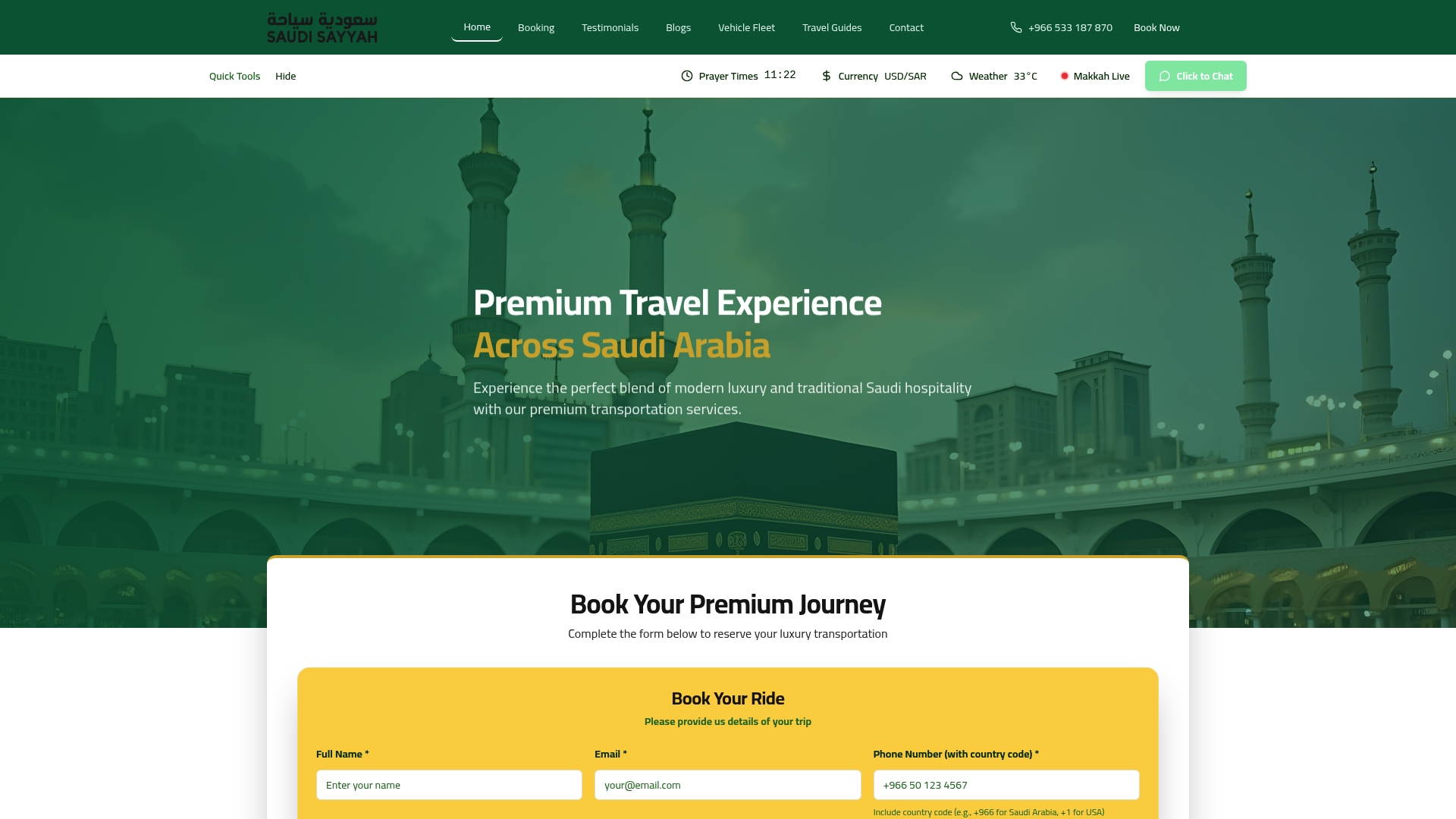
When flight times shift or group sizes change, Saudisayyah's platform updates transport arrangements without the back-and-forth of manual coordination. Pilgrims can view premium vehicle options for every leg of the trip, from airport arrivals to transfers between Makkah and Madinah. The geolocation-enabled platform sends driver details and real-time tracking before every pickup. For pilgrims who want reliable, flexible ground transport from the moment they land, Saudisayyah's car hire services are available to book directly.
FAQ
What is easy rebooking in travel?
Easy rebooking is the process of quickly changing a flight or transport reservation with minimal fees, wait time, or paperwork. Automated systems and flexible fare options are the two main tools that make it possible.
How do airline apps help with quick rebooking?
Airline apps surface alternative flight options automatically during disruptions, allowing travelers to confirm a new booking before phone queues are even answered. Using the app and calling simultaneously increases the chance of securing a seat faster.
Are flexible fares worth the extra cost for pilgrims?
Yes. Flexible fares act as financial protection against last-minute fare spikes and schedule changes common in pilgrimage travel. The premium paid upfront is often less than the fare difference charged on a non-flexible ticket when a change is needed.
Why does booking directly with an airline matter for rebooking?
Direct bookings give the airline immediate access to your ticket record, enabling faster changes and revalidations. Third-party bookings add an intermediary layer that slows down the process during disruptions.
What is the difference between revalidation and reissue?
Revalidation updates an existing ticket for minor schedule changes and is faster and cheaper than a full reissue. A full reissue is only required when the itinerary change is significant enough to require new ticket documents.