
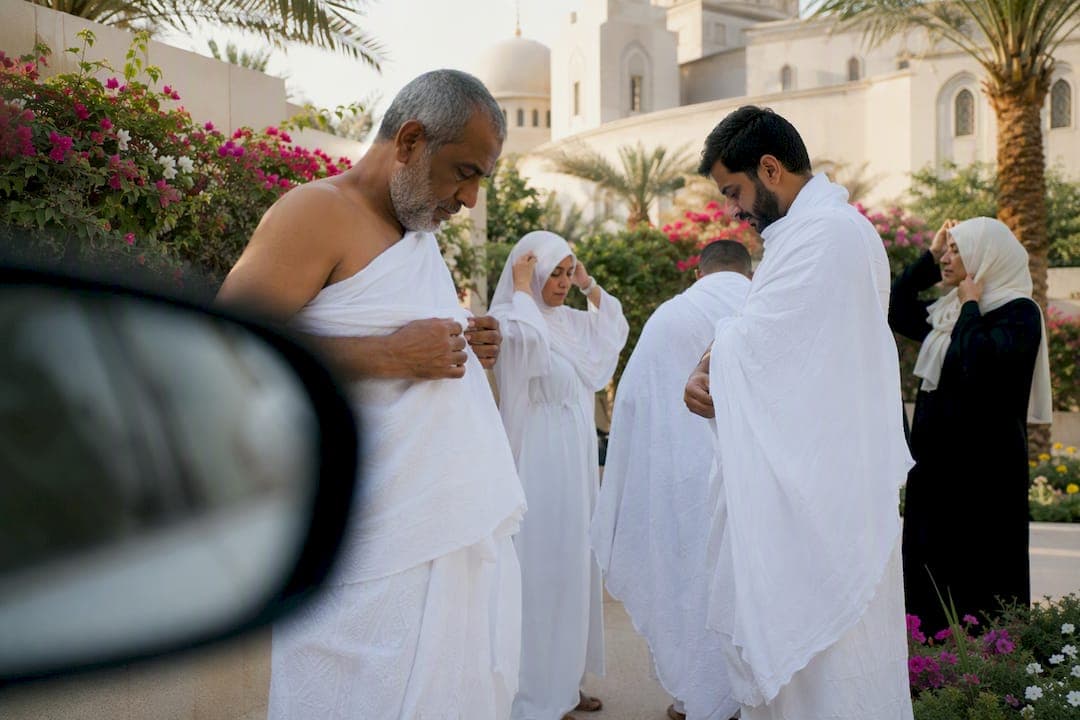
Follow these essential do's and don'ts to perform Umrah respectfully and safely: dress modestly, keep your voice low inside the Haram, never push through crowds, silence your phone near worshipers, and confirm your permit through Nusuk before you travel.
Before you leave:
- Set your niyyah (intention) clearly and learn the Talbiyah
- Confirm your Umrah permit and entry timing through the Nusuk platform
- Pack unscented soap, lotion, and detergent for Ihram
Once you're on-site:
- Never push, cut lines, or block Tawaf traffic
- Keep clothing modest even outside ritual times
- Follow security and crowd-control staff without hesitation
Pro Tip: Screenshot your Nusuk permit and booking confirmations before you land. Saudi mobile data can be spotty near the Haram during peak hours, and a saved screenshot beats a stalled app every time.
Key Takeaways
Respectful Umrah etiquette comes down to modest dress, quiet composure in sacred spaces, strict adherence to Ihram rules, and confirmed logistics before you ever set foot in the Haram.
| Point | Details |
|---|---|
| Confirm your Nusuk permit early | Check your entry window before booking flights so timing and transport line up. |
| Master Ihram rules before departure | Know clothing, hair, nail, and intimacy prohibitions to avoid accidental violations. |
| Keep composure in the Haram | Stay calm, avoid pushing, and follow staff directions during Tawaf and Sa'i. |
| Limit phone use near worshipers | Silence your device and avoid photographing others without permission. |
| Lock in transport meeting points | Verify driver photos, plates, and pickup coordinates before heading to the Haram. |
Authoritative Resources for Umrah Rituals and Permits
- HajInformation Ihram Rules: detailed prohibitions
- GuideToUmrah Dos and Don'ts: full checklist
- Best eSIM for Hajj and Umrah: staying connected
Table of Contents
- Niyyah and Pre-Departure Steps Every Umrah Pilgrim Should Complete
- What Are the Ihram Rules for Men and Women?
- What Should You Wear Outside the State of Ihram?
- How Should You Behave During Tawaf and Sa'i?
- What Are the Rules on Gender Interaction and Public Behavior?
- Is It Okay to Take Photos Inside the Haram?
- How Do You Stay Safe in Large Umrah Crowds?
- Do You Need a Permit to Perform Umrah?
- What Actions Are Strictly Forbidden During Umrah?
- How Do You Coordinate Smoothly With Your Ground Transport Team?
- How Should Pilgrims Handle Charity and Sadaqah?
- How Do You Interact Respectfully With Local Staff and Vendors?
- How Should You Behave During Prayer and Sermon Times?
- What Should You Know About Food and Hospitality Etiquette?
- An Experienced Ground Operator's Perspective on Umrah Etiquette
- Frequently Asked Questions
- Sources
Niyyah and Pre-Departure Steps Every Umrah Pilgrim Should Complete
Purity of intention comes before anything else. Scholars treat niyyah as the act that transforms travel into worship, so settle your intention quietly before you even pack a bag.
Once that's settled, work through the practical side:
- Schedule a basic health check, especially if you have a chronic condition
- Buy unscented soap, wipes, and detergent (perfume is forbidden once you enter Ihram)
- Practice the Talbiyah and a few short duas so they're familiar under travel stress
- Verify your Umrah permit window on Nusuk before booking flights
Pro Tip: Pack modest, breathable clothing suited to Saudi Arabia's heat, and keep your passport, visa, and permit copies in a single zipped pouch you can access without digging through luggage.
What Are the Ihram Rules for Men and Women?
Ihram prohibits sexual intimacy, cutting hair or trimming nails, and wearing perfume, and it comes with specific clothing restrictions that differ for men and women, according to Ihram rules documented by HajInformation.
For men:
- Wear two unstitched cloth garments, no tailored seams or pockets
- Keep the head uncovered at all times
- Sandals are preferred over closed shoes that cover the ankle bones
For women:
- Wear loose, modest clothing that covers the body
- Keep the face and hands uncovered during Ihram (a separate face veil is not part of the ritual state)
- Regular hijab and abaya styles are fine as long as they aren't form-fitting
Breaking Ihram rules unintentionally, trimming a stray nail or dabbing on lotion with fragrance, usually calls for a fidyah (compensatory act) rather than invalidating the whole Umrah. Ask a scholar on-site if you're unsure what applies to your situation.
Pro Tip: Trim your nails and remove excess body hair before you put on Ihram, not after. It removes the guesswork entirely.
What Should You Wear Outside the State of Ihram?
Modest, non-flashy, comfortable clothing works everywhere in Saudi Arabia outside the ritual state itself. Ihram's stricter rules (unstitched garments for men, uncovered face for women) apply only during that specific period, not for your entire trip.
Pack with practicality in mind:
- Breathable, loose fabrics that handle heat and long walking
- Closed, secure footwear for transit days, sandals for Ihram
- Unscented toiletries so you're not caught off guard when Ihram begins
- A hidden money pouch or document wallet for passports and cash
Local norms and ritual requirements are two different things. A pilgrim in normal clothes outside the Haram just needs general modesty; a pilgrim in Ihram follows the stricter rules above.
Pro Tip: Buy your Ihram garments before departure and try them on once. Comfort issues are easier to fix at home than in a crowded Meccan market.
How Should You Behave During Tawaf and Sa'i?
Stay calm, keep moving, and never block the flow of worshipers around you. That single rule solves most of the problems pilgrims run into during Tawaf and Sa'i.
Tawaf follows a clear sequence, detailed in the official Umrah guide:
- Begin at the Black Stone corner, moving with the Kaaba on your left
- Complete seven full circuits, walking at a steady, unhurried pace
- If the crowd is too dense to reach the Black Stone, simply gesture toward it and continue; physical contact isn't required
- Pray two rak'ahs behind Maqam Ibrahim if space allows, or anywhere nearby if it doesn't
- Move to Sa'i between Safa and Marwah, completing seven passes
Men are encouraged to perform harwalah, a brisk jog, during a marked segment between the green lights on the Sa'i path. Women skip this and walk at a normal pace throughout.
Practical safety notes worth remembering:
- Avoid sudden stops mid-circuit; a dead stop in a moving crowd causes pileups
- Use upper-floor Tawaf and Sa'i levels during peak hours if you want more breathing room
- Carry water and sip regularly, especially during the Sa'i portion
- Follow staff hand signals immediately, even if they interrupt your pace
The most frequent mistake pilgrims make is rushing through queues and transitions. Moving deliberately is both safer for you and more respectful to everyone around you.
What Are the Rules on Gender Interaction and Public Behavior?
Public displays of affection between spouses are discouraged in the Haram and surrounding areas, and non-mahram men and women should limit physical contact, including handshakes, unless it's clearly welcomed.
Keep these points in mind:
- Skip handshakes with the opposite gender unless they extend a hand first
- A verbal greeting, "As-salamu alaykum," works fine without physical contact
- Avoid casual touching, even friendly gestures, in packed prayer areas
Pro Tip: Agree on a fixed meeting point and time with your group before entering the Haram. Phone signal drops fast in dense crowds, and a pre-set plan beats trying to call someone who can't hear their phone ring.
Is It Okay to Take Photos Inside the Haram?
Minimize phone use inside the Haram altogether, and never photograph other worshipers, especially women, without asking first.
Do this instead:
- Keep your phone on silent or airplane mode during prayer times
- Step to the side, away from moving crowds, if you want a photo
- Ask permission before taking anyone's portrait
Avoid this entirely:
- Selfies that block foot traffic near the Kaaba or Sa'i path
- Recording scholars or khutbahs (Friday sermons) without clear permission
- Live-streaming rituals as they happen
How Do You Stay Safe in Large Umrah Crowds?
Prioritize safety and follow officials without hesitation, always. Saudi authorities station security and medical staff throughout the Haram specifically to manage crowd density, and their instructions override your own instincts about the fastest route.
Build these habits into your day:
- Drink water consistently, even when you don't feel thirsty
- Wear a mask if you're prone to respiratory issues; the crowd density can be intense
- Never stop abruptly inside a moving Tawaf or Sa'i lane
- Use upper Sa'i and Tawaf levels during high-traffic hours
- Memorize or photograph the nearest meeting point before you enter
If you get separated from your group, stay where you are rather than searching aimlessly. Security personnel and marked medical points are positioned throughout the complex, and locating one is faster than wandering through a shifting crowd of worshipers.
Do You Need a Permit to Perform Umrah?
Yes. An Umrah permit through the Nusuk platform is required, and it also controls your entry timing window.
Keep logistics simple:
- Check your permit window well before booking flights or transport
- Choose off-peak entry times when possible; early morning and late night see noticeably lighter crowds
- Confirm your group's exact pickup point with your transport provider ahead of time
Pro Tip: Save a screenshot of your Nusuk permit and share your entry window with your driver or group leader in advance, so pickup timing lines up with your actual access slot instead of a guess.
What Actions Are Strictly Forbidden During Umrah?
A short list of actions break Ihram or violate basic decorum: sexual intimacy, cutting hair or trimming nails while in Ihram, men wearing stitched garments, and using scented products before Umrah is complete.
- No intimacy or contact with sexual intent during Ihram
- No haircuts, shaving, or nail trimming until Tahallul
- No stitched clothing for men in the state of Ihram
- No perfume, scented soap, or scented lotion during Ihram
Accidental violations, a stray dab of scented lotion, usually call for a fidyah rather than invalidating the pilgrimage. A local scholar or your group leader can confirm the correct remedy for your specific situation.
Obscene language, arguing, and physical aggression have no place here. The entire point of Ihram is restraint, and losing your temper in a crowd undoes far more than a scheduling delay ever could.
How Do You Coordinate Smoothly With Your Ground Transport Team?
Confirm one meeting point and one pickup time with your driver or group leader before you even leave the hotel. Ambiguity is what causes most day-of stress, not the crowds themselves.
Work through this before departure:
- Verify your driver's photo and vehicle plate number against what you booked
- Confirm the exact pickup coordinates, not just a general area
- Set a fallback meeting plan in case phones lose signal near the Haram
Keep these documents within reach:
- Your Nusuk permit screenshot
- Your booking confirmation with driver and vehicle details
- A backup contact number for your transport provider
Ground teams that pre-share driver photos, vehicle plates, and real-time tracking cut down on the guesswork that usually causes missed pickups. Reviewing our pilgrim transport booking workflow before you travel helps align your permit timing with your actual pickup schedule.
How Should Pilgrims Handle Charity and Sadaqah?
Giving sadaqah during Umrah carries the same core principle as everywhere else in Islam: sincerity over spectacle. Handing cash to someone in the Haram courtyard doesn't require announcement or attention, and drawing a crowd around the act defeats its purpose.
If you're approached by someone requesting money near the Haram or in nearby streets, a calm, brief response works best, whether you give or politely decline. Aggressive or persistent solicitation does happen in high-traffic pilgrim areas, and you're under no obligation to give to everyone who asks. Trust your judgment, and consider giving through recognized channels, mosque donation boxes, official charity organizations, rather than handing cash to unverified individuals on the street.
Many pilgrims set aside a fixed charity budget before departure specifically so decisions in the moment feel less pressured. That removes the awkward math of "how much" on the spot and lets you give consistently without overthinking each request.
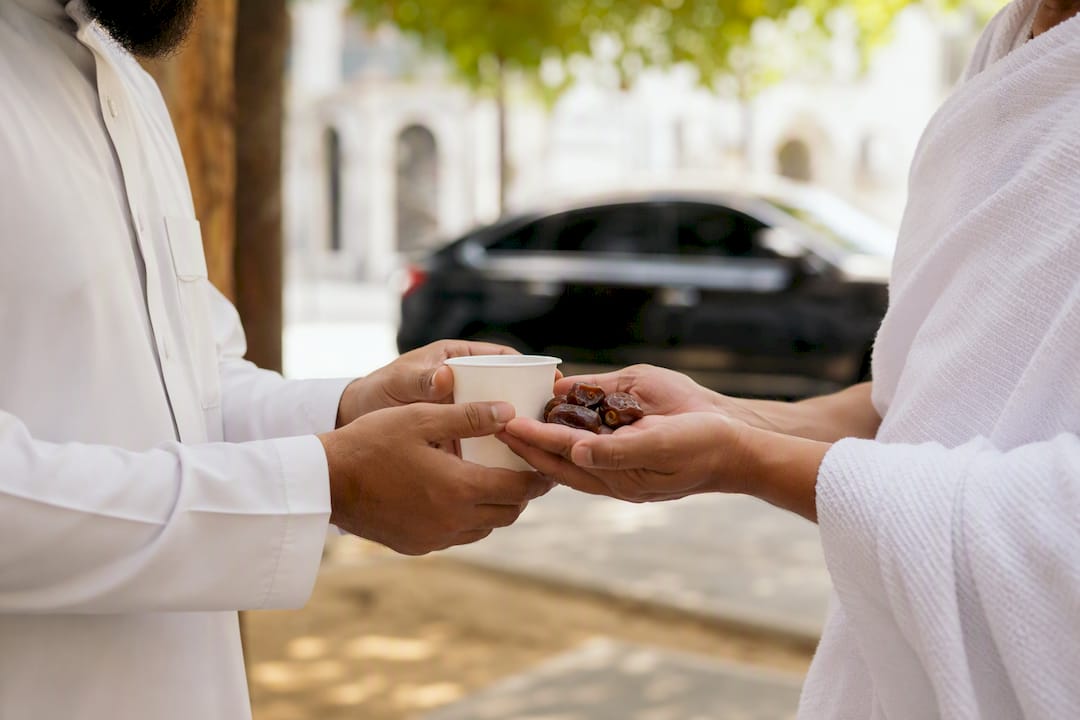
Receiving charity carries its own etiquette too. If someone offers you food, water, or dates inside the Haram, a simple "Jazakallah khair" (may God reward you) and quiet acceptance is the norm. Refusing outright can come across as rejecting someone's sincere gesture. Zamzam water, dates, and small snacks are commonly shared among strangers sitting near each other during rest periods, and accepting this hospitality gracefully is part of the shared culture of the space.
How Do You Interact Respectfully With Local Staff and Vendors?
Begin every interaction, whether with a hotel clerk, a shop owner, or a Haram cleaning staff member, with a respectful greeting like "As-salamu alaykum." It costs nothing and sets a cooperative tone immediately.
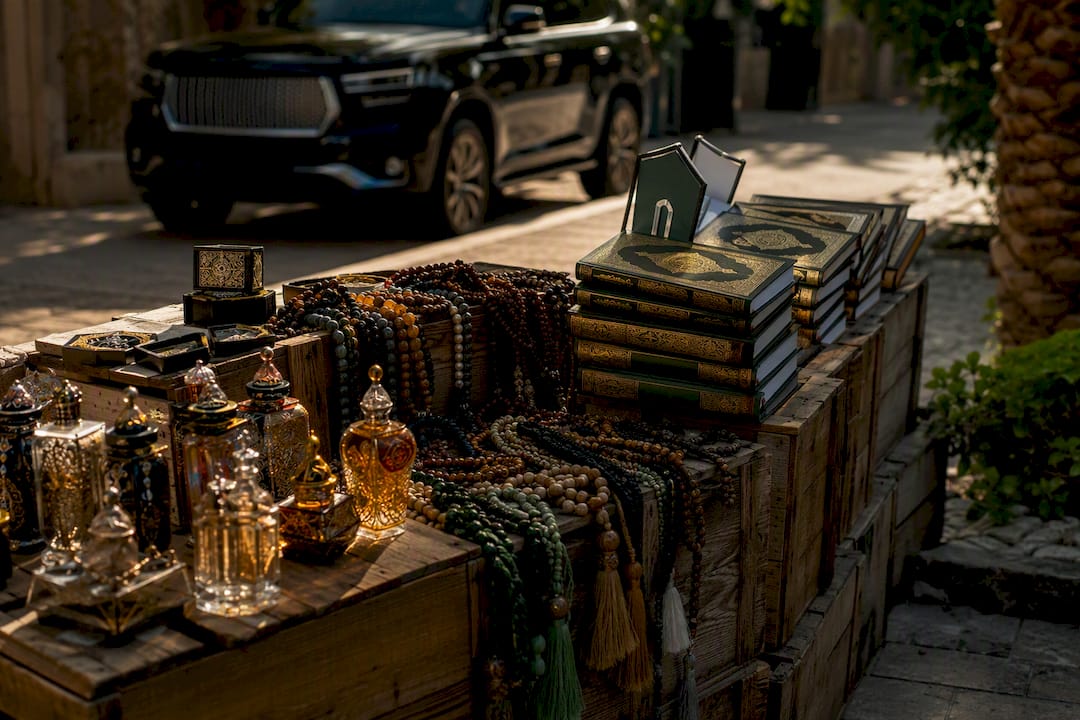
In markets, handle merchandise carefully, prayer beads, perfume bottles, and Qurans are often displayed loosely and deserve gentle handling. Light haggling is normal and expected in most local markets, but aggressive bargaining reads as disrespectful, especially with older vendors. A polite counteroffer and a willingness to walk away works far better than pressure tactics.
Service staff in Saudi Arabia, hotel workers, drivers, cleaning crews, are often migrant workers far from home during a demanding pilgrimage season. A little patience goes a long way. Tipping isn't mandatory but is appreciated for good service, particularly for porters and drivers handling extra luggage or long waits.
If a staff member gives you an instruction, redirecting your Tawaf lane, asking you to move for cleaning, follow it without arguing. These directions usually come from operational needs you can't see from where you're standing, not arbitrary inconvenience.
How Should You Behave During Prayer and Sermon Times?
Stop everything you're doing when the adhan sounds and prepare to join the congregational prayer, regardless of where you are inside the Haram complex. Continuing to walk, talk, or shop during the call to prayer is considered disruptive.
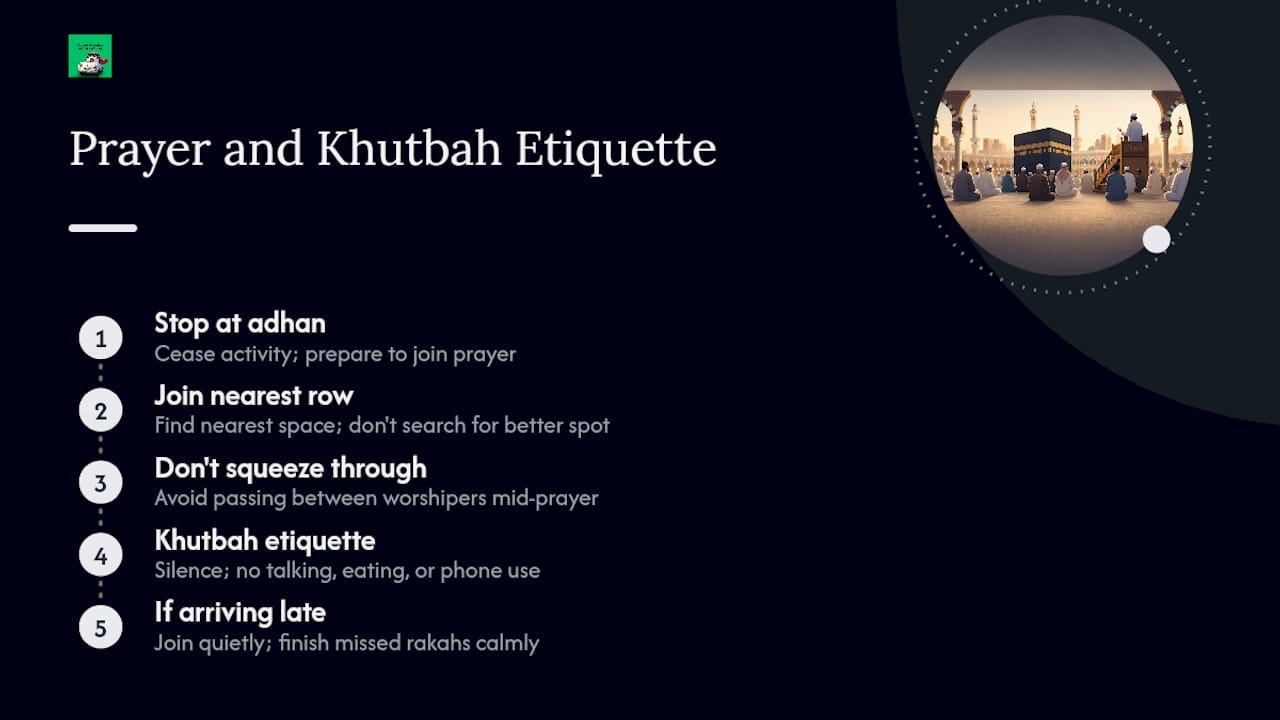
Once prayer begins, find the nearest available space and join the rows rather than searching for a "better" spot across the courtyard. Squeezing through standing worshipers mid-prayer to reach a preferred location disrupts everyone around you.
During Friday khutbah specifically, silence and stillness are expected for the entire sermon, not just the prayer itself. Talking, eating, or checking your phone during the khutbah is discouraged even if you're seated far from the minbar. Save conversations and phone use for after the prayer concludes.
If you arrive mid-prayer, join quietly wherever there's room instead of pushing forward. Latecomers who complete missed rakahs afterward should do so calmly, without rushing past people still in prayer.
What Should You Know About Food and Hospitality Etiquette?
Sharing food is a deeply embedded custom around the Haram, and Zamzam water is the clearest example. Coolers and dispensers are placed throughout the complex specifically for shared use, and pilgrims regularly pass cups to strangers nearby without a second thought.
If you're staying in shared accommodation or traveling with a group, meals often become communal by default. Declining an offered plate outright can feel abrupt in this context; even a small portion accepted graciously maintains the spirit of hospitality. If dietary restrictions apply, a polite explanation ("I can't eat that, but thank you") is entirely acceptable and expected to be respected in return.
Eating and drinking inside the main prayer areas of the Haram itself is generally discouraged outside of Zamzam water, so save fuller meals for designated rest areas or your accommodation. When in doubt about where eating is appropriate, follow what people around you are doing rather than guessing.
An Experienced Ground Operator's Perspective on Umrah Etiquette
As a ground operator, I always tell pilgrims to lock down their meeting point before anything else. Most of the panic I see happens not during rituals but in parking lots and drop-off zones, where a driver's photo and a confirmed pickup spot turn confusion into a five-minute wait. Quiet transitions matter too: pilgrims who mentally shift gears before entering the Haram, lowering their voice, putting the phone away, move through the experience with far less friction.
Frequently Asked Questions
What is the most important cultural etiquette rule for Umrah? Modesty and composure come first. Dress modestly, keep your voice low inside the Haram, and never push through crowds during Tawaf or Sa'i.
Do I need a permit to perform Umrah? Yes, an Umrah permit through Nusuk is required and controls your entry timing window, so check it before booking flights.
Can I take photos inside the Haram? Keep phone use minimal, and never photograph other worshipers, especially women, without asking first. Step aside for personal photos rather than blocking foot traffic.
What happens if I accidentally break an Ihram rule? Minor accidental violations, like a dab of scented lotion, usually call for a fidyah rather than invalidating your Umrah. Ask a scholar or your group leader for the correct remedy.
How do I coordinate transport during Umrah without confusion? Confirm your driver's photo, vehicle plate, and exact pickup coordinates before you leave, and set a backup meeting plan in case phone signal drops near the Haram.
Sources
- Ihram rules — HajInformation
- The Complete Guide to Umrah Dos and Don'ts — GuideToUmrah
- Respecting Traditions: Etiquette for Umrah Pilgrims — TravelAroundTheWorldBlog