
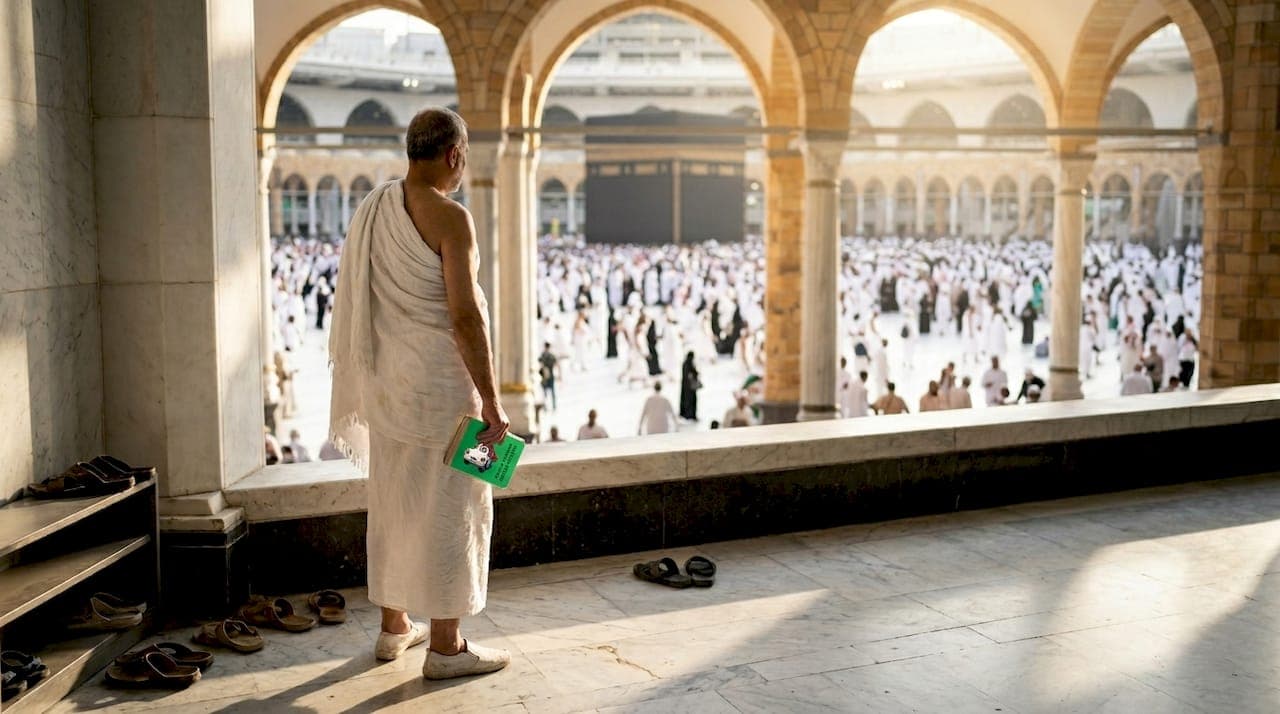
Planning your first Umrah journey brings excitement and questions, especially when it comes to ziyarat in Mecca. With dozens of historically significant sites, varying scholarly opinions, and the practical challenges of navigating a bustling holy city, many first-time pilgrims feel overwhelmed. Understanding which sites hold the greatest spiritual value, how to balance reflection with exploration, and how modern technology can simplify your journey transforms anxiety into confidence. This guide clarifies the essential criteria for meaningful ziyarat, highlights the most important destinations, and shows how digital tools and reliable transportation create a seamless pilgrimage experience that honors both tradition and your personal spiritual goals.
Table of Contents
- Key takeaways
- Criteria for planning your ziyarat in Mecca
- Top ziyarat destinations in Mecca explained
- Comparing Mecca ziyarat sites: spiritual impact and logistics
- How technology enhances your ziyarat experience
- Make your ziyarat seamless with Saudi Sayyah transport services
- Frequently asked questions
Key Takeaways
| Point | Details |
|---|---|
| Prioritize reflection over quantity | Balance visits with quiet contemplation to deepen the spiritual experience rather than rushing through many sites. |
| Know site significance | Research the historical events and religious importance of locations like the Cave of Hira and Jabal Thawr to transform visits into meaningful reflection. |
| Flexible daily planning | Create a flexible schedule that slots top three priority sites and allows for rest and changes based on energy and crowd conditions. |
| Technology aids travel | Use apps and digital tools to navigate crowded areas, access timings and find emergency assistance as needed. |
| Smart transport planning | Rely on professional transport to manage time, reduce stress, and maintain focus on spiritual goals. |
Criteria for planning your ziyarat in Mecca
Successful ziyarat planning begins with understanding the spiritual significance of each site before you arrive. Research the historical events, prophetic connections, and religious importance of locations like the Cave of Hira or Jabal Thawr. This preparation transforms your visits from tourist stops into deeply meaningful spiritual experiences. When you understand why a site matters, your time there becomes reflection rather than simply checking boxes.
Balancing site visits with personal worship time is crucial for a fulfilling pilgrimage. Many first-time pilgrims make the mistake of cramming too many locations into their schedule, leaving no room for quiet contemplation or additional prayers at Masjid al-Haram. Some scholars prefer original Miqats over Taneem for extra Umrah, emphasizing quality of reflection over quantity of rituals. This perspective helps you prioritize depth over breadth in your spiritual journey.
Your physical capability and available time should directly influence your ziyarat schedule. Sites like Mount Arafat require significant walking and climbing, while others like the Zamzam Well are easily accessible within Masjid al-Haram. Consider your health limitations honestly when planning your trip to the holy cities to avoid exhaustion that diminishes your spiritual focus. Allocate extra time for rest between demanding visits.
Transportation logistics and crowd patterns significantly impact your experience at each location. Peak prayer times bring massive crowds to Masjid al-Haram and surrounding areas, making movement difficult and reducing the contemplative atmosphere many pilgrims seek. Early mornings and late evenings typically offer calmer conditions for ziyarat. Professional transport services eliminate the stress of navigating unfamiliar roads and finding parking near holy sites, allowing you to focus entirely on your spiritual objectives.
Pro Tip: Create a flexible daily schedule that identifies your top three priority sites but allows for spontaneous changes based on energy levels, weather conditions, and crowd situations you encounter.
Now that you know the planning criteria, let's examine the top ziyarat destinations in Mecca that pilgrims frequently visit.
Top ziyarat destinations in Mecca explained
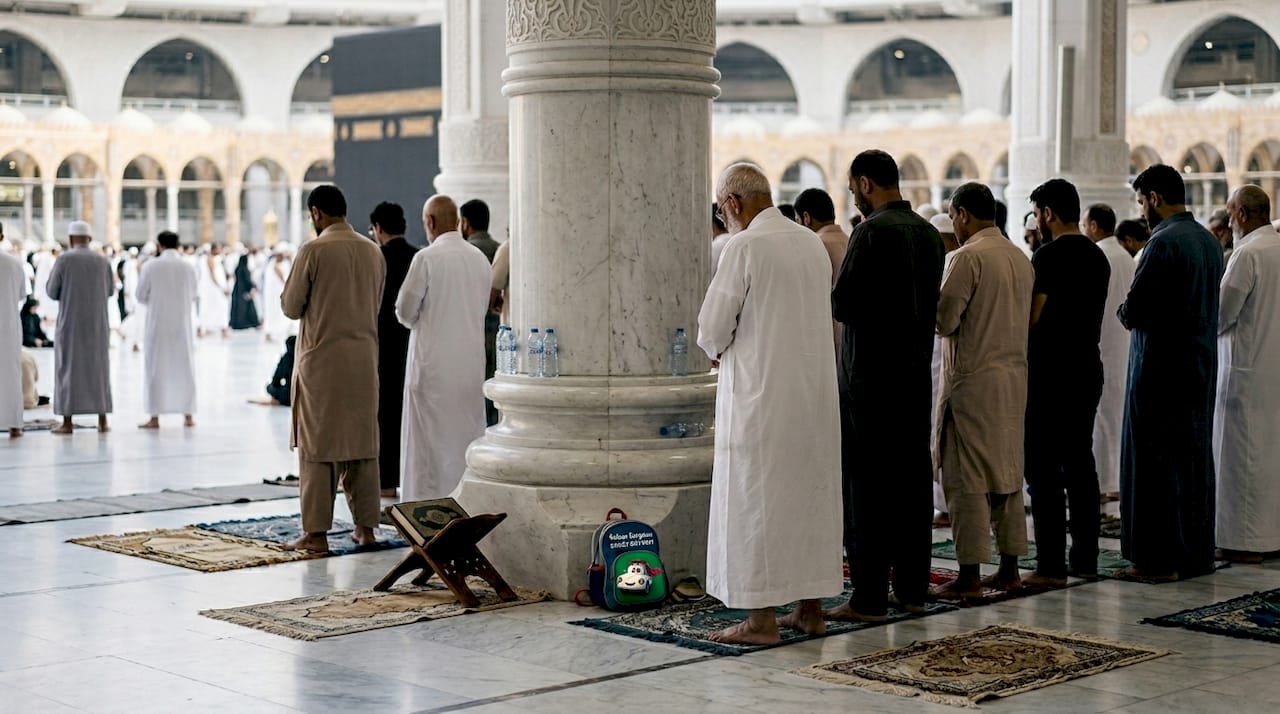
Masjid al-Haram and the Kaaba represent the spiritual center of Islam and the primary focus of every Umrah journey. Pilgrims perform Tawaf around the Kaaba, pray in the vast courtyards, and drink from Zamzam Well, all within this sacred complex. The mosque accommodates millions during peak seasons, with multiple levels and entrances designed for efficient crowd flow. First-time visitors often feel overwhelmed by the scale and energy, but the spiritual atmosphere is unmatched anywhere on earth.
Mount Arafat holds profound significance as the location where Prophet Muhammad delivered his final sermon during his farewell pilgrimage. While primarily associated with Hajj, many Umrah pilgrims visit this site for personal reflection and connection to Islamic history. The mountain stands about 70 meters high, with a climb that challenges but rewards those seeking a panoramic view of the surrounding plains. Visiting outside Hajj season provides a peaceful environment for contemplation without the massive crowds.
The Cave of Hira sits high on Jabal al-Nour, where Prophet Muhammad received the first revelation of the Quran through Angel Jibril. Reaching the cave requires a steep 45-minute climb over rocky terrain, demanding good physical condition and appropriate footwear. Many pilgrims describe the journey as spiritually transformative, with the physical challenge mirroring the internal effort required for deep faith. The cave itself is small, accommodating only a few people at a time, which naturally limits crowds and creates intimate moments of reflection.
Jabal Thawr, another significant mountain, contains the cave where Prophet Muhammad and Abu Bakr hid during their migration to Medina. The climb is less demanding than Jabal al-Nour but still requires moderate fitness and takes approximately 30 minutes. Fewer pilgrims visit this site compared to the Cave of Hira, offering a quieter atmosphere for those seeking solitude and contemplation. The historical importance of this location in the Prophet's life makes it a meaningful stop for first-time pilgrims exploring Makkah.
Zamzam Well, located within Masjid al-Haram, provides the miraculous water that has flowed since the time of Prophet Ibrahim and his family. Pilgrims drink Zamzam water for its spiritual blessings and physical refreshment, with designated stations throughout the mosque complex. The well's historical significance as a divine provision for Hajar and baby Ismail resonates deeply with believers. Accessing Zamzam is straightforward and requires no special planning beyond your regular mosque visits.
Pro Tip: Visit mountain sites early in the morning when temperatures are cooler and your energy is highest, saving the more accessible locations like Masjid al-Haram for evening hours when the atmosphere becomes especially serene.
With these key sites identified, let's compare them and understand how to optimize your itinerary for the best experience.
Comparing Mecca ziyarat sites: spiritual impact and logistics
Understanding the practical differences between ziyarat sites helps you create a realistic and spiritually fulfilling schedule. The table below compares key factors for major destinations:
| Site | Spiritual significance | Physical demand | Time required | Best visiting time | Accessibility |
|---|---|---|---|---|---|
| Masjid al-Haram | Highest (Kaaba, Tawaf, prayers) | Low to moderate | Multiple visits throughout stay | Early morning, late evening | Excellent (multiple entrances, elevators) |
| Mount Arafat | High (final sermon location) | Moderate to high | 3-4 hours including travel | Morning or late afternoon | Moderate (requires transport, some walking) |
| Cave of Hira | Very high (first revelation) | High (steep 45-min climb) | 3-4 hours total | Early morning (cooler) | Challenging (rocky terrain, fitness needed) |
| Jabal Thawr | High (migration hideout) | Moderate (30-min climb) | 2-3 hours total | Morning | Moderate (less crowded than Hira) |
| Zamzam Well | Moderate (miraculous provision) | Very low (within mosque) | 15-30 minutes | Anytime during mosque hours | Excellent (stations throughout mosque) |
Spiritual importance versus practical difficulty creates the central tension in ziyarat planning. The Cave of Hira offers immense spiritual value but demands significant physical effort, while Zamzam Well provides easy access but less intensive historical connection. Your personal priorities determine which trade-offs make sense for your journey. Some pilgrims prefer focusing energy on extended worship at Masjid al-Haram rather than exhausting themselves with difficult climbs.
Time management between sites requires realistic assessment of travel distances and crowd conditions. Moving from Masjid al-Haram to Mount Arafat takes 45 minutes to an hour by vehicle, while the Cave of Hira lies about 30 minutes away plus climbing time. Group travel considerations add complexity, as larger parties need more coordination and may move slower than individuals. Build buffer time into your schedule for unexpected delays or moments when you want to linger longer than planned.
Physical demands vary dramatically across ziyarat locations, making honest self-assessment essential. Mountain climbs challenge even healthy adults, while elderly or mobility-impaired pilgrims may find them impossible without assistance. Transport options for elderly pilgrims include wheelchair-accessible vehicles and services that minimize walking distances. Consider your stamina at different times of day, as afternoon heat in Mecca can quickly deplete energy reserves.
Group versus solo travel impacts scheduling flexibility and site selection. Groups benefit from shared transportation costs and collective spiritual energy but must accommodate varying fitness levels and interests. Solo travelers enjoy complete schedule control and can adjust plans instantly based on personal energy and inspiration. Mixed approaches work well, with some activities done together and others pursued independently based on individual capacity and desire.
Professional transportation eliminates logistical stress and maximizes your time for spiritual activities. Rather than navigating unfamiliar roads, finding parking, or waiting for crowded public transit, dedicated vehicles take you directly between sites efficiently. This practical support proves especially valuable when fatigue sets in after several days of intensive worship and travel.
Beyond traditional planning, technology can further enhance your ziyarat journey in Mecca.
How technology enhances your ziyarat experience
Modern pilgrimage apps transform how you navigate Mecca's holy sites and manage the practical challenges of ziyarat. Download official apps like Ziyara before your departure, which provide detailed maps of Masjid al-Haram, surrounding areas, and distant sites like Mount Arafat. These digital tools work offline, ensuring you maintain navigation capability even when cellular networks become congested during peak times. The multilingual interfaces support pilgrims from every background, breaking down language barriers that previously created confusion and stress.
Real-time crowd monitoring through apps helps you avoid the most congested areas and times. Many pilgrimage apps now integrate live occupancy data for different sections of Masjid al-Haram, showing which entrances have shorter wait times and which prayer areas offer more space. This information proves invaluable for elderly pilgrims or those with mobility challenges who need to minimize time standing in crowds. You can plan your Tawaf or prayers during calmer periods, enhancing both comfort and spiritual focus.
Health alert and emergency contact features provide critical safety support throughout your journey. Apps offer real-time assistance for health emergencies or navigation challenges, connecting you instantly with medical services or security personnel. Many apps include medication reminders, prayer time notifications, and hydration alerts customized to Mecca's climate. For first-time pilgrims unfamiliar with local emergency procedures, these digital safety nets offer tremendous peace of mind.
Multilingual support in modern pilgrim apps breaks down communication barriers that previously complicated ziyarat planning. Whether you need directions in Urdu, Indonesian, Turkish, or dozens of other languages, these apps provide clear guidance in your native tongue. Translation features help you communicate with local drivers, shopkeepers, and other pilgrims, fostering connections that enrich your spiritual journey. The technology bridges cultural gaps while respecting the sacred nature of your pilgrimage.
Transport scheduling and delay notifications keep you informed about vehicle arrivals and traffic conditions affecting your ziyarat plans. Apps integrated with transport services like Saudi Sayyah's tracking platform show your driver's location in real time, estimated arrival time, and vehicle details. You receive notifications if traffic delays impact your schedule, allowing you to adjust prayer times or site visits accordingly. This transparency eliminates the anxiety of wondering when your ride will arrive or whether you'll make your planned activities.
"Technology should enhance, not replace, the human elements of pilgrimage. The best apps provide practical support while encouraging you to disconnect digitally and connect spiritually during worship."
Pro Tip: Set your phone to airplane mode with WiFi enabled during prayers and Tawaf to prevent distracting notifications while maintaining access to essential apps like Quran readers and prayer time calculators.
Understanding both the spiritual and practical aspects, let's look at how to put it all together into a seamless pilgrimage plan.
Make your ziyarat seamless with Saudi Sayyah transport services
Navigating between Mecca's holy sites demands reliable transportation that respects your spiritual focus while delivering practical efficiency. Saudi Sayyah combines cutting-edge technology with the warm hospitality pilgrims deserve, offering air-conditioned vehicles equipped with the latest comfort features. Our professional drivers bring years of experience navigating Mecca's roads and understand the unique needs of pilgrims visiting sites like the Cave of Hira or Mount Arafat. We know that many travelers are visiting the holy lands for the first time, so our platform maintains constant communication to eliminate surprises.
Our comprehensive car hire services provide flexible options for groups of any size, from solo pilgrims to large family parties. Through our geolocation-enabled platform, you receive driver photos, vehicle details, and real-time tracking before every trip. The modern fleet comprises the latest model year vehicles with advanced safety features, ensuring comfort during longer journeys to distant ziyarat sites. Our fully automated, internationally-compliant booking system streamlines reservations while our attention to detail ensures every aspect of your transport supports your spiritual objectives. Monitor your rides and receive instant updates through Makkah Live, giving you complete visibility and peace of mind throughout your sacred journey.
After seeing the benefits of tech and transportation, let's answer your common questions about ziyarat in Mecca.
Frequently asked questions
What is the best time to perform ziyarat in Mecca?
Early mornings between Fajr and sunrise offer the most serene atmosphere for visiting sites like the Cave of Hira or Jabal Thawr, with cooler temperatures and fewer crowds. Late evenings after Isha prayers also provide peaceful conditions, especially at Masjid al-Haram where the illuminated Kaaba creates a breathtaking spiritual environment. Avoid peak prayer times, particularly Jummah, when massive crowds make movement difficult and reduce opportunities for quiet reflection. Weekday mornings typically see lighter traffic than weekends, making transport between distant sites faster and less stressful.
Can beginners perform all types of ziyarat in one trip?
First-time pilgrims should focus on a few key sites rather than attempting to visit every historical location in Mecca. Prioritizing quality reflection at places like Masjid al-Haram, the Cave of Hira, and Mount Arafat creates deeper spiritual experiences than rushing through a dozen sites superficially. Overextending your schedule leads to physical exhaustion that diminishes your ability to focus during prayers and worship. Many experienced pilgrims recommend saving some locations for future visits, giving you reasons to return and continue your spiritual journey over time.
How do pilgrimage apps assist during ziyarat?
Pilgrimage apps provide live maps showing your current location relative to holy sites, prayer times, and the shortest routes between destinations. Real-time support reduces stress during health emergencies or navigation challenges, connecting you instantly with medical services or security personnel. Crowd information helps you choose optimal visiting times for popular locations like Masjid al-Haram, avoiding the most congested periods. Many apps include Quran recitations, dua collections, and educational content about each site's historical significance, enriching your understanding and spiritual engagement throughout your journey.
What transportation options are best for elderly pilgrims during ziyarat?
Dedicated shuttle services designed specifically for elderly and mobility-impaired pilgrims offer the most comfortable and safe transport between ziyarat sites. These specialized vehicles feature low-entry steps, spacious interiors for wheelchairs or walkers, and drivers trained in assisting passengers with limited mobility. Private vehicle reservations reduce walking distances and eliminate waiting in crowded public areas, allowing elderly pilgrims to move directly from their accommodation to each holy site. Door-to-door service minimizes physical strain while maximizing time available for worship and reflection at each destination.