
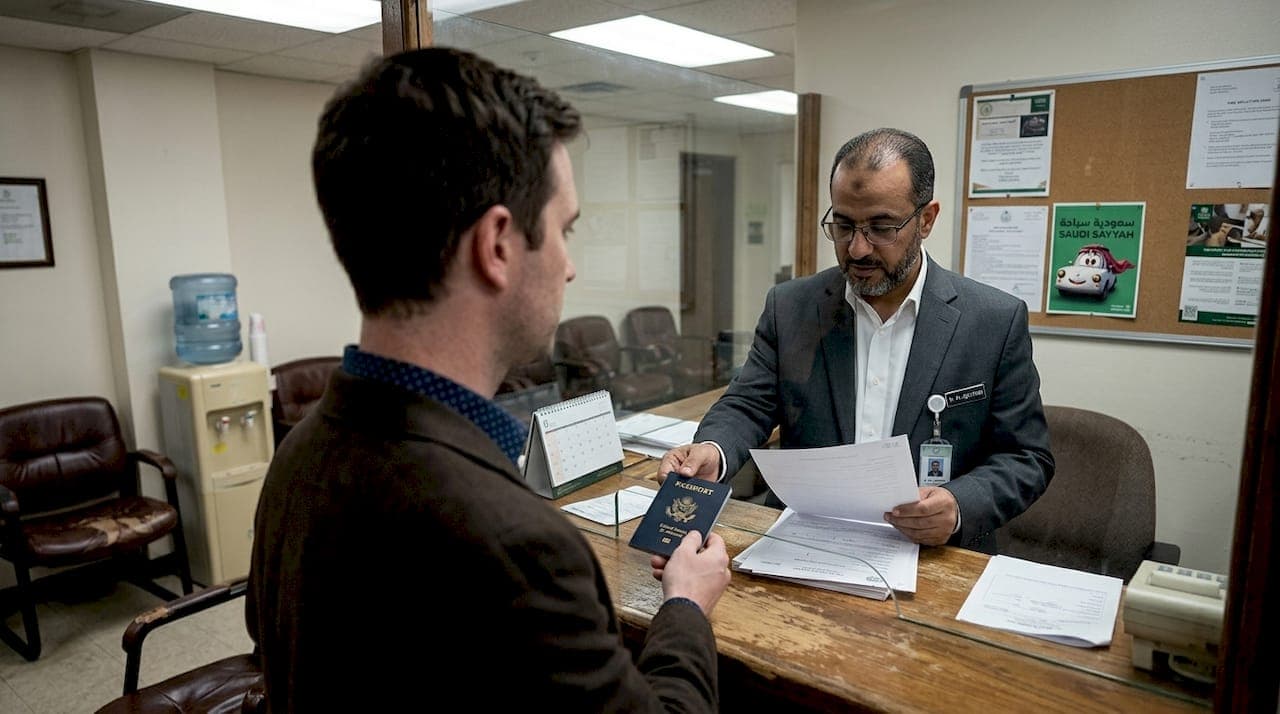
Planning a pilgrimage to Saudi Arabia? You're likely wondering about visa requirements. Many US citizens assume they can enter visa-free or get a visa on arrival without preparation. The truth is simpler: US citizens require a visa to enter Saudi Arabia, whether for Umrah, Hajj, or tourism. This guide clarifies the visa types available in 2026, explains the specific requirements for pilgrims, and provides practical tips for a smooth journey to the holy cities.
Table of Contents
- Saudi Arabia Visa Requirements For US Citizens In 2026
- Understanding Pilgrimage Visas: Umrah And Hajj
- Health, Safety, And Travel Preparation Tips For Pilgrims
- Travel Logistics And Local Transportation For US Pilgrims
- Make Your Pilgrimage Smooth With Saudi Sayyah Services
- Frequently Asked Questions
Key takeaways
| Point | Details |
|---|---|
| Visa requirement | US citizens must obtain a visa before or upon arrival to enter Saudi Arabia legally. |
| Pilgrimage visas | Umrah pilgrims can use the tourist eVisa, while Hajj requires a dedicated visa with strict quotas. |
| Passport validity | Your passport must remain valid for at least 6 months from your entry date. |
| Health requirements | Mandatory vaccines and health insurance are required for all pilgrims entering Saudi Arabia. |
| Holy site access | Non-Muslims are prohibited from entering Mecca and Medina under Saudi law. |
Saudi Arabia visa requirements for US citizens in 2026
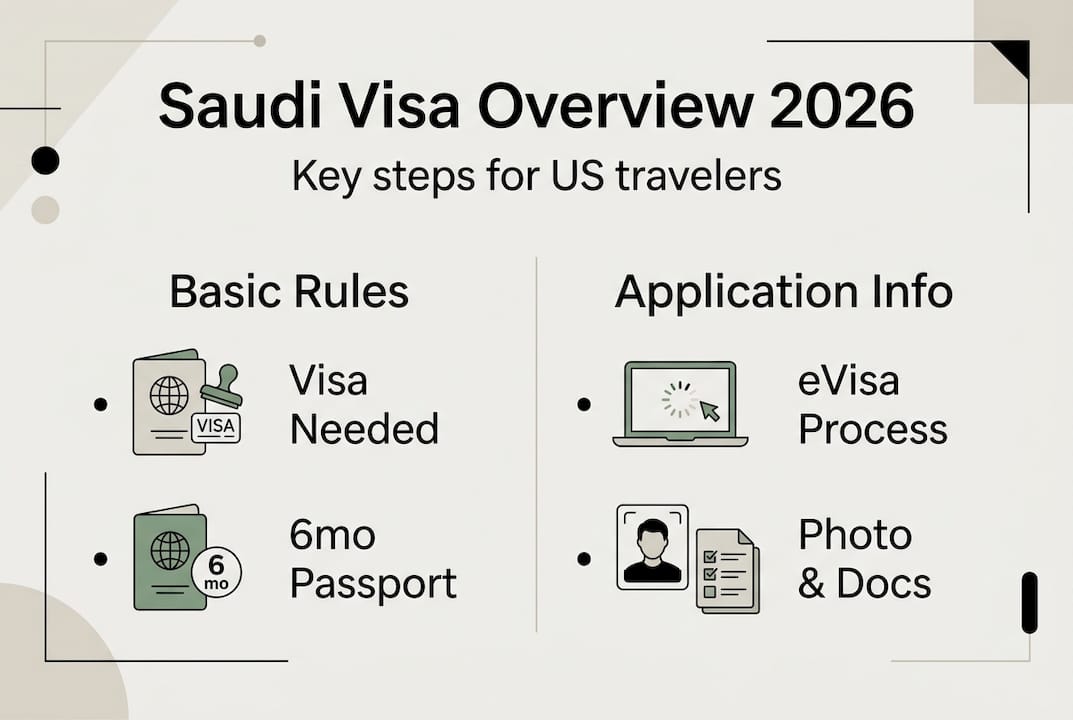
Every US citizen traveling to Saudi Arabia needs a valid visa. No exceptions exist for short visits or transit. The Saudi government offers two primary options: the tourist eVisa and visa on arrival. While visa on arrival is technically available, applying for an eVisa before departure saves time and eliminates airport queues.
Your passport must have at least 6 months validity from your planned entry date. Immigration officials strictly enforce this rule. A passport expiring in four months will result in denied boarding, regardless of your visa status. Check your passport expiration date before booking flights.
The eVisa application process takes minutes online. You'll need a digital passport photo, travel dates, and a valid credit card. Processing typically completes within 24 hours, though applying two weeks ahead provides a safety buffer. The visa grants multiple entries over one year, with each stay limited to 90 days.
Pro Tip: Screenshot your approved eVisa and save it offline on your phone. Airport WiFi can be unreliable, and having immediate access to your visa details prevents delays at immigration.
Some travelers believe certain nationalities enter Saudi Arabia visa-free. This myth causes problems at departure gates. US passport holders always need advance authorization. Airlines verify visa status before boarding, and missing documentation means missed flights without refunds.
If you're planning a trip to the holy cities, understanding these baseline requirements prevents last-minute scrambling. The visa process is straightforward when you start early and gather correct documents.
Understanding pilgrimage visas: Umrah and Hajj
Pilgrimage visas split into two distinct categories with different application processes. Umrah and Hajj serve different religious purposes, and Saudi authorities handle them through separate systems. Understanding which visa you need prevents application errors and delays.
For Umrah, US Muslim citizens can use the tourist eVisa by selecting Umrah as the visit purpose during application. You must then register on the Nusuk platform to reserve your pilgrimage slot. This registration system manages crowd flow at holy sites and ensures smooth experiences for all pilgrims. The tourist eVisa allows flexibility for combining Umrah with other travel in Saudi Arabia.
Hajj operates under stricter controls. The Hajj visa requires dedicated application through the Nusuk platform via licensed US travel agents. Saudi Arabia allocates Hajj quotas by country, limiting the number of pilgrims annually. US citizens compete for limited slots, making early registration critical. Applications typically open six months before Hajj dates.
Health requirements for Hajj exceed standard tourist visa rules. Pilgrims must provide vaccination certificates for meningitis, and COVID-19 documentation remains mandatory in 2026. Age restrictions apply, with minimum ages set to ensure pilgrims can physically handle the demanding rituals. Health certificates from licensed physicians confirm fitness for travel.
| Visa Type | Application Method | Registration Platform | Quota Limits | Flexibility |
|---|---|---|---|---|
| Umrah | Tourist eVisa | Nusuk (slot booking) | No quota | Year-round, multiple entries |
| Hajj | Dedicated Hajj visa | Nusuk (via US agents) | Strict country quotas | Specific dates only |
Pro Tip: Register on Nusuk immediately after receiving your eVisa approval. Popular Umrah dates fill quickly, especially during Ramadan. Securing your slot early gives you better accommodation choices near the Haram.
Non-Muslims are restricted from entering Mecca and Medina under Saudi law. Highway checkpoints verify religious status before allowing access to these cities. This restriction applies regardless of visa type. Non-Muslim travelers can visit Jeddah, Riyadh, and other Saudi cities freely.
Working with licensed agents simplifies Hajj applications. These authorized operators understand quota systems, documentation requirements, and submission deadlines. They handle group bookings, coordinate transportation, and provide on-ground support during your pilgrimage. The U.S. visa guide for Umrah pilgrims offers detailed steps for both visa types.
Don't confuse the two visa categories. Attempting Hajj on a tourist eVisa without proper authorization results in denied entry to Hajj sites and potential legal issues. Each visa serves its specific purpose within Saudi religious tourism infrastructure. Using a travel app for pilgrims helps track requirements and deadlines throughout the application process.
Health, safety, and travel preparation tips for pilgrims
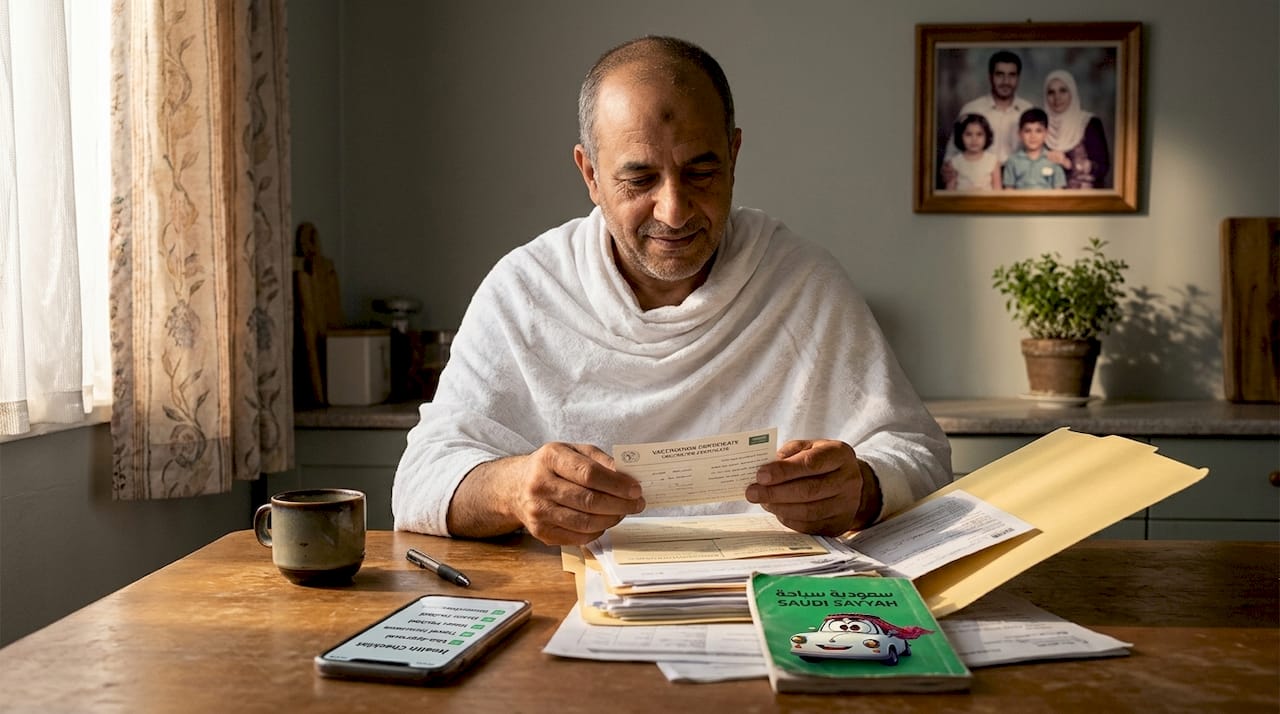
Health preparation starts before visa application. Saudi Arabia requires specific vaccinations for all pilgrims entering the country. Meningitis vaccination certificates must show immunization within the past three years but not less than ten days before arrival. COVID-19 vaccination documentation remains mandatory, with accepted vaccine types listed on official Saudi health ministry websites.
Mandatory health insurance is included with your eVisa fee, covering emergency medical treatment during your stay. This insurance activates upon entry and remains valid for your visa duration. Keep digital and printed copies of your insurance certificate. Hospitals and clinics may request proof before providing services.
Additional vaccines merit consideration based on your health history. Seasonal flu shots reduce illness risk in crowded pilgrimage environments. Hepatitis A and typhoid vaccines offer protection against foodborne illnesses. Consult your physician six weeks before travel to complete any multi-dose vaccine series.
Security considerations affect travel planning in 2026. The US Embassy maintains a Level 3 advisory for Saudi Arabia due to regional tensions and potential threats. This doesn't prohibit travel but recommends increased caution. Register with the Smart Traveler Enrollment Program before departure to receive security updates.
Financial disputes create serious legal complications in Saudi Arabia. Exit bans can prevent departure if you have unpaid debts, bounced checks, or business disagreements. These restrictions apply even to tourists and pilgrims. Avoid financial transactions beyond standard purchases, and keep all receipts for major expenses.
Overstaying your visa triggers penalties and potential travel bans. Saudi immigration tracks entry and exit dates electronically. Exceeding your authorized stay, even by one day, results in fines and complications for future visa applications. Set phone reminders for your departure date and book return flights with buffer time for unexpected delays.
Practical preparation ensures comfort during your pilgrimage:
- Pack medications in original prescription bottles with doctor's letters explaining medical necessity
- Carry multiple copies of your passport, visa, and vaccination certificates in separate bags
- Download offline maps of Mecca and Medina before arrival, as internet access fluctuates in crowded areas
- Bring appropriate modest clothing that covers arms and legs, with women needing headscarves for public spaces
- Install Arabic translation apps to communicate with local vendors and transportation providers
Heat management becomes critical during summer months. Temperatures in Mecca exceed 110°F regularly. Dehydration causes more pilgrim health issues than any other factor. Carry refillable water bottles and drink constantly, even when not thirsty. Electrolyte packets help maintain mineral balance during intense physical exertion.
For group travel tips for Saudi Arabia, coordinate health preparations across all travelers. Group members should complete vaccinations on similar schedules and share copies of important documents. Designate one person to maintain a master folder of everyone's paperwork.
Elderly pilgrims face unique challenges requiring advance planning. Wheelchair accessibility varies across holy sites, and crowd management during peak times tests physical stamina. Specialized transport for elderly pilgrims provides essential support for those with mobility limitations.
Travel logistics and local transportation for US pilgrims
Successful pilgrimage requires coordinated logistics beyond visa approval. The Nusuk platform serves as your central hub for pilgrimage planning. After obtaining your visa, register on Nusuk to secure your Umrah or Hajj slot. This registration system manages pilgrim flow and prevents overcrowding at holy sites.
Transportation booking should happen immediately after slot confirmation. Licensed US travel agents coordinate group transportation packages including airport transfers, hotel shuttles, and inter-city travel. These authorized operators understand pilgrim needs and provide vehicles equipped for religious travel requirements.
Independent travelers have multiple ground transport options. Taxis operate throughout Mecca, Medina, and Jeddah, with apps like Uber and Careem offering familiar booking interfaces. Rates remain reasonable, though prices surge during peak pilgrimage seasons. Pre-booking reduces stress and guarantees availability.
Car hire provides maximum flexibility for exploring beyond holy sites. Rental agencies operate at major airports and city centers. International driving permits supplement your US license, though Saudi Arabia recognizes American licenses for tourist stays. Navigate carefully, as local driving customs differ significantly from US norms.
Follow these steps for smooth travel logistics:
- Complete Nusuk registration within 48 hours of visa approval to secure preferred dates
- Book accommodation near the Haram in Mecca or the Prophet's Mosque in Medina for easy access
- Reserve airport transfers through your hotel or licensed transport provider before departure
- Download the Nusuk app, Tawakkalna app, and Haramain high-speed rail app for real-time updates
- Purchase a local SIM card at the airport for reliable communication and navigation
- Confirm all bookings 72 hours before arrival and save confirmation numbers offline
The Haramain high-speed rail connects Mecca, Medina, and Jeddah efficiently. Trains run multiple times daily with comfortable seating and luggage storage. Book tickets through the official app or website, as scalpers sell counterfeit tickets at stations. This rail option costs less than private car hire for inter-city travel.
Pro Tip: Schedule transportation during off-peak prayer times when roads are clearest. The half-hour before and after each of the five daily prayers sees minimal traffic, making this the ideal window for longer trips between cities.
For specialized needs, booking pilgrimage taxis through certified providers ensures vehicle quality and driver reliability. These services cater specifically to religious travelers, with drivers knowledgeable about holy site locations and prayer time schedules.
First-time visitors benefit from comprehensive planning resources. The guide for planning a trip to the holy cities covers accommodation selection, site visit timing, and cultural preparation. Understanding local customs prevents awkward situations and shows respect for Saudi hospitality.
Special destinations require advance planning. To visit the Ghar e Hira, the cave where Prophet Muhammad received his first revelation, you need proper transportation due to the mountain's remote location. Organized tours provide the safest access to this significant site.
Mobile connectivity supports modern pilgrimage experiences. Saudi cell networks offer excellent coverage in major cities and holy sites. Purchase data packages sufficient for navigation apps, video calls home, and social media updates. WiFi availability varies by accommodation quality, so cellular data provides reliable backup.
Make your pilgrimage smooth with Saudi Sayyah services
After securing your visa and planning your itinerary, reliable transportation completes your pilgrimage preparation. Saudi Sayyah specializes in pilgrim transport with a modern fleet designed for comfort during your sacred journey. Our technology platform provides real-time driver tracking, vehicle details, and photo verification before every pickup.
Our car hire services cater specifically to Umrah and Hajj travelers, with drivers experienced in holy site navigation and prayer time coordination. We understand first-time pilgrims need extra support, which is why our geolocation-enabled system maintains constant communication throughout your trip. Explore our vehicle options for pilgrimage ranging from sedans for individuals to spacious vans for family groups. Stay connected with live updates from Makkah to plan your visits around crowd levels and weather conditions.
Frequently asked questions
What happens if my visa application is delayed or denied?
Visa delays rarely occur for US citizens with complete applications, but processing can extend during peak pilgrimage seasons. If denied, the system provides specific reasons allowing you to correct issues and reapply. Most denials stem from incomplete documentation or passport validity problems rather than eligibility concerns.
Can non-Muslims participate in the pilgrimage with a tourist visa?
Non-Muslims cannot enter Mecca or Medina under any circumstances, regardless of visa type. Highway checkpoints verify religious status through questioning and documentation review. Non-Muslim visitors can explore other Saudi cities like Jeddah, Riyadh, and AlUla freely with standard tourist visas.
What documents are essential to carry when traveling?
Carry your passport, printed eVisa, vaccination certificates, health insurance documentation, and hotel confirmations at all times. Keep digital backups in cloud storage and email copies to yourself. Immigration officers and hotel staff regularly request these documents, so immediate access prevents delays.
Is the eVisa guaranteed for entry at Saudi borders?
The eVisa grants authorization to travel but doesn't guarantee entry. Immigration officers retain discretion to deny entry based on passport condition, inconsistent travel plans, or security concerns. Honest answers to officer questions and complete documentation ensure smooth processing for legitimate pilgrims.
How early should I apply for my Hajj visa given the quotas?
Apply for Hajj visas immediately when the application period opens, typically six months before Hajj dates. US quotas fill within weeks due to high demand. Working with licensed agents who monitor opening dates and submit applications promptly maximizes your chances of securing a slot. The Umrah visa guide provides detailed timelines for both pilgrimage types.